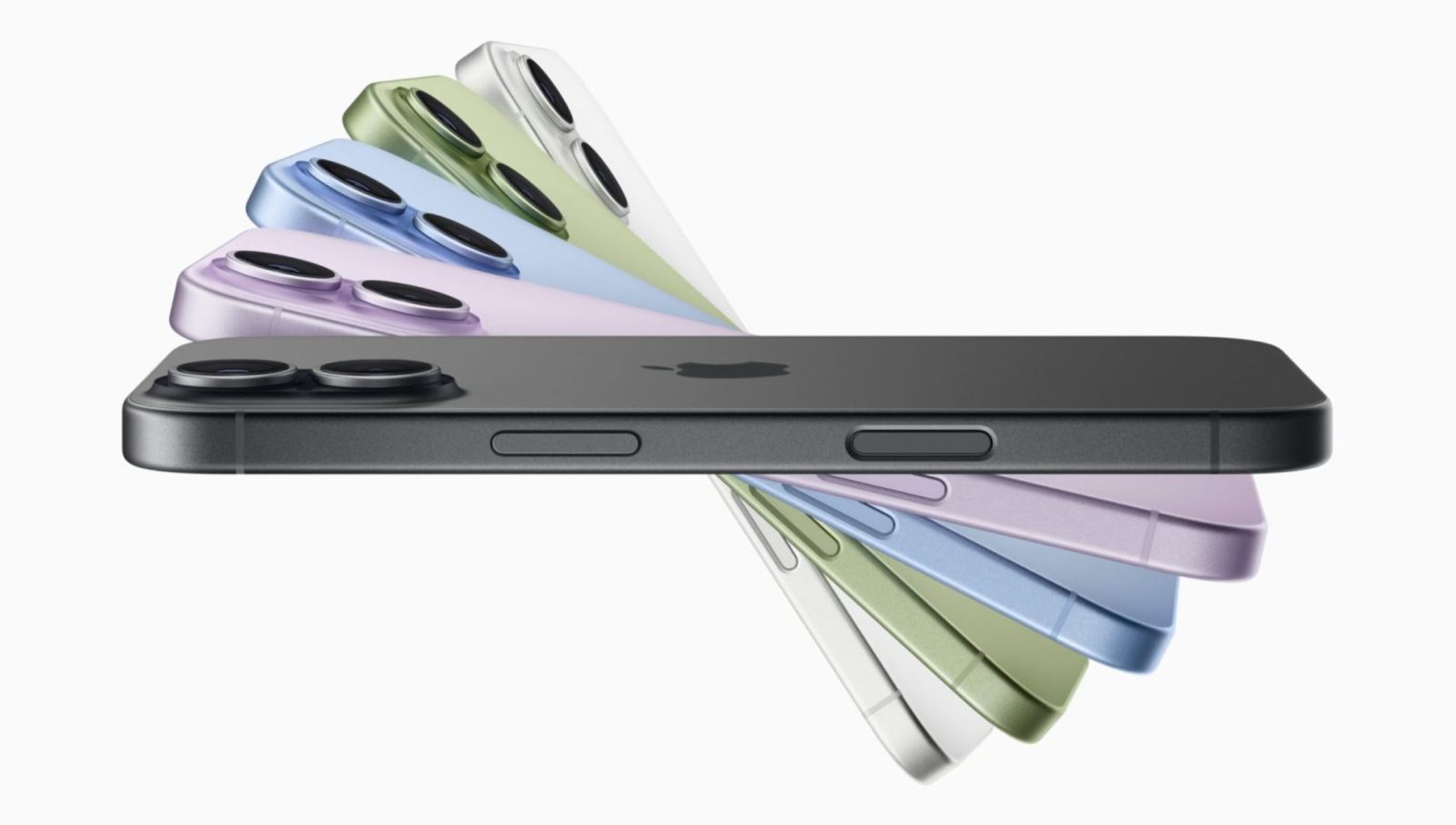
Apple and Samsung’s long-running rivalry is back in the spotlight. Just a day after the iPhone 17 series made its debut, Samsung turned the moment into a playful roast with a cheeky #iCant campaign, lampooning Apple’s slow-and-steady approach while championing its own pace of innovation, especially in foldable phones.
Posted by Samsung’s mobile division on X (formerly Twitter), the #iCant thread stitched together a series of lighthearted jabs that doubled as reminders of Samsung’s product strengths. One post quipped, “#iCant believe this is still relevant,” reviving a 2022 dig that read, “Let us know when it folds,” a direct nod to Samsung’s head start in the foldable category.
The tone was unmistakable: witty, competitive, and designed to spark conversation. Samsung contrasted Apple’s triple 48MP camera setup with its own 200MP option, positioning higher resolution as a clear differentiator. The company also pointed to health features, poking fun at the delayed arrival of Apple Watch’s Sleep Score by suggesting it had already been there, done that.
Beyond the humor, the message was strategic. Samsung cast itself as the pace-setter in smartphone innovation—foldable form factors, high-megapixel imaging, and early health-tracking features—while portraying Apple’s latest moves as incremental refinements rather than breakthroughs.
Campaigns like this do more than entertain. They keep the narrative alive long after a keynote ends, reminding shoppers to compare devices, features, and philosophies. It’s marketing theater with a purpose: generate buzz, tip undecided buyers, and shape how the industry conversation unfolds.
Whether you see the #iCant posts as playful banter or pointed critique, the result is the same—extra excitement around new phones and wearables. And as each launch season arrives, the back-and-forth between these tech heavyweights ensures that the spotlight is as much on the brands and their strategies as it is on the products themselves.