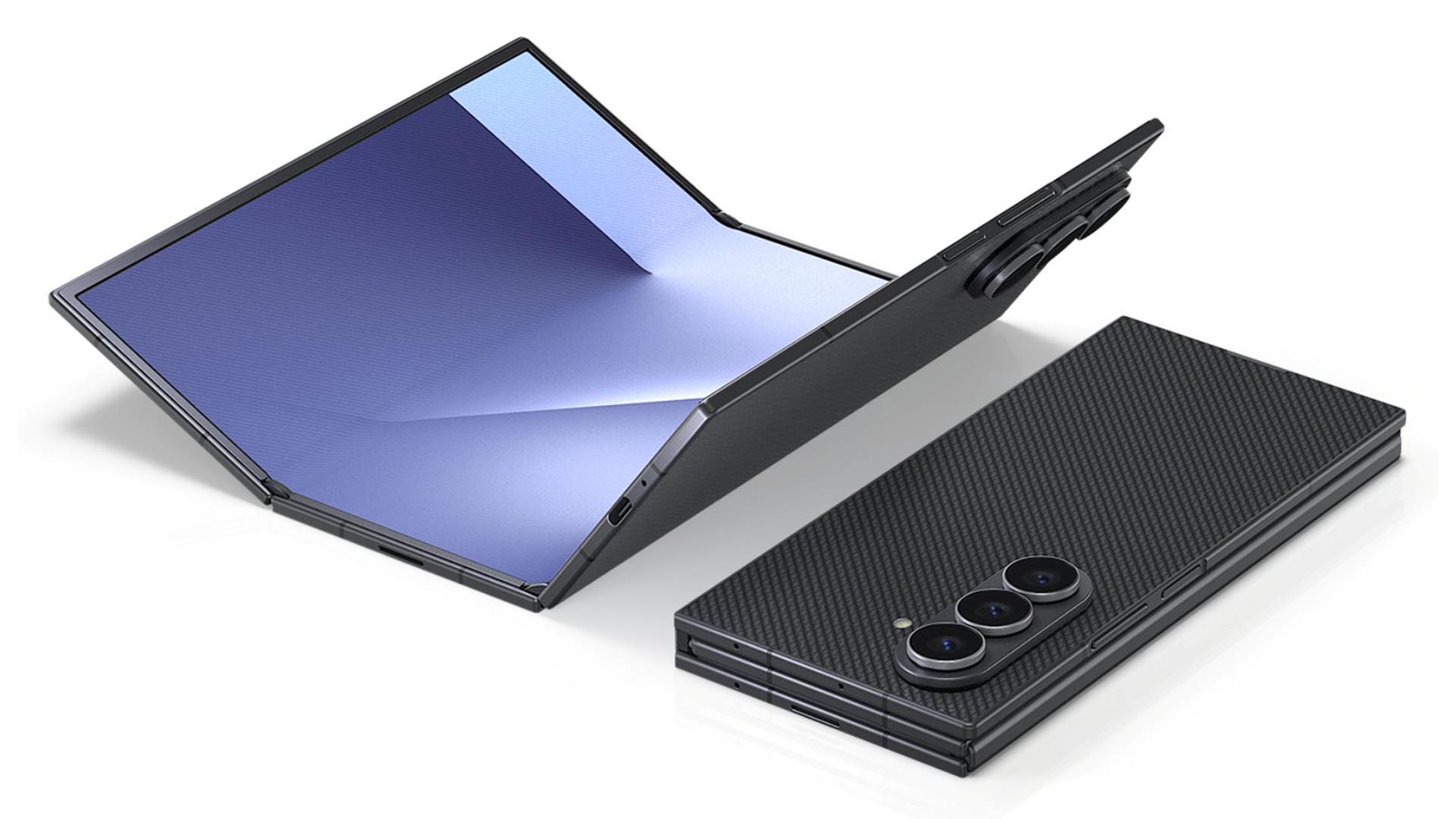
Samsung’s Galaxy Z TriFold has been turning heads for its ambitious triple-fold design, but new durability testing is raising serious questions about how well it holds up outside of carefully controlled conditions.
Earlier reports already suggested the device is on the delicate side, with the hinge beginning to creak at around 60,000 folds. Now, a widely watched bend test video shows the Galaxy Z TriFold becoming the first Samsung smartphone to fail that specific stress test, putting a spotlight on how fragile the device may be when real-world pressure is applied.
In the test, the creator points to the phone’s thin plastic back panels as a major weak point, claiming they don’t provide the kind of structural reinforcement you’d expect from a device at this price and complexity. In other words, the TriFold’s design prioritizes thinness and flexibility, but that may come at the cost of rigidity—exactly what matters when a phone is twisted or bent in a pocket, bag, or accidental mishap.
This is especially notable given Samsung’s own durability claims. Samsung says the Galaxy Z TriFold is rated for 200,000 folding cycles. That sounds impressive until you compare it with the Galaxy Z Fold 7, which is claimed to endure 500,000 cycles. Independent folding tests have also painted a less comforting picture: the hinge reportedly starts creaking at around 61,000 folds, and in longer testing the hinge eventually gives way at roughly 144,000 folds.
Beyond durability, the Galaxy Z TriFold also appears to be a niche product in terms of sales. Industry estimates suggest Samsung has sold only about 3,000 to 4,000 units so far, with expectations that global sales may not exceed 30,000 to 40,000 units. Limited demand combined with durability concerns could make this one of Samsung’s most experimental foldables—popular for headlines, but harder to recommend for everyday buyers who expect long-term reliability.
That said, the Galaxy Z TriFold’s hardware is undeniably high-end. Here’s what it brings to the table.
It measures 159.2mm x 214.1mm and is just 3.9–4.2mm thick when unfolded, but it jumps to 12.9mm when folded. The main inner display is a 10-inch Dynamic LTPO AMOLED panel with a 2,160 x 1,584 resolution and up to 1,600 nits peak brightness. On the outside, it includes a 6.5-inch FHD+ Dynamic LTPO AMOLED display with a 2,520 x 1,080 resolution and an even higher 2,600 nits peak brightness. Both screens offer a variable refresh rate from 1Hz to 120Hz.
Powering the phone is Snapdragon 8 Elite paired with 16GB of RAM, and it comes in 512GB or 1TB storage options. A 5,600mAh battery runs the show with 45W wired charging support, and the phone is rated IP48 for dust and water resistance. On the software side, it runs Android 16 with One UI 8.0 and is slated to receive seven Android OS updates.
Camera hardware is also flagship-grade, featuring a 200MP main sensor, a 12MP ultrawide, and a 10MP telephoto lens. For selfies and calls, there’s a 10MP camera available on both the inner and outer displays.
The Galaxy Z TriFold is a bold step forward for foldable phone design, but the latest stress testing suggests buyers should think carefully about durability—especially if the phone will be carried around daily and exposed to the kind of pressure that traditional phones usually shrug off. If Samsung continues down the triple-fold path, these early tests may end up being the feedback that shapes a tougher second-generation model.