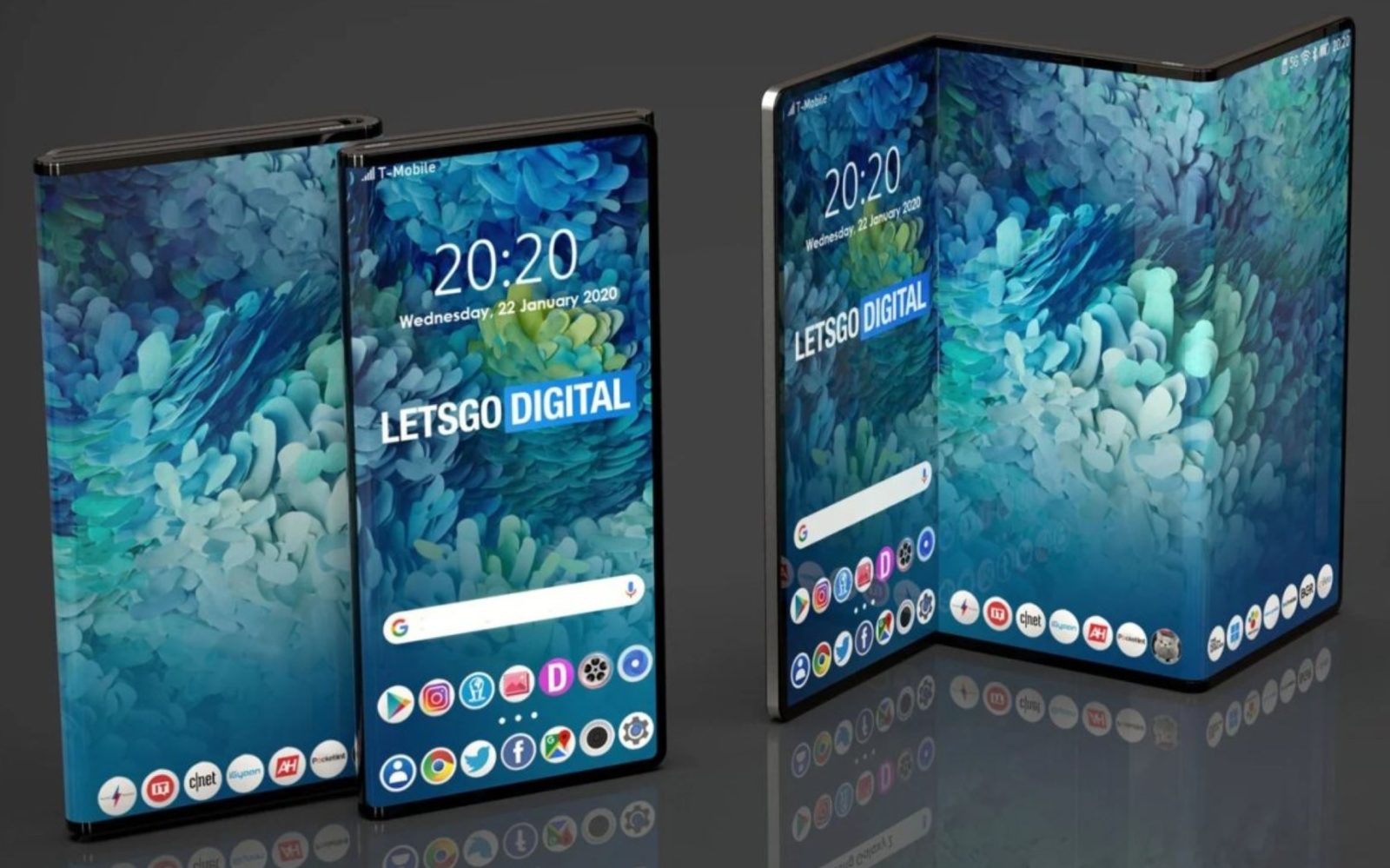
Samsung is reportedly preparing to unveil a tri-fold smartphone, signaling a bold expansion of its foldable lineup and a fresh push to redefine what a phone can be. Rumors have swirled for months about the device’s design and debut markets, and a new report now suggests the dual‑hinged tri-fold could arrive in the United States, not just in Asia as initially expected.
A US launch would be a major statement. There are no tri-fold phones currently available in the market, and bringing one stateside would position the company as a clear leader in form factor innovation. It could also spark a new wave of competition, encouraging other brands to fast-track their own experimental designs to keep pace. With its ability to expand into a larger canvas, the tri-fold concept sits at an intriguing intersection between phone and tablet—exactly the kind of hybrid that could reshape how we think about multitasking, entertainment, and productivity on the go.
The move also suggests real confidence in the product. US buyers have grown accustomed to incremental upgrades, so introducing a radical design here would be a calculated risk aimed at setting a new standard. But for a device like this to succeed, the form factor alone won’t be enough. It will need top-tier hardware, refined software, and durable engineering to avoid feeling like a novelty. Seamless app optimization, strong battery life, and reliable hinges will matter just as much as the wow factor of a dual‑hinge display.
Price will likely be a sticking point. Early expectations put the tri-fold around $3,000, reflecting the premium cost of cutting-edge components and complex design. While that places it firmly in early-adopter territory, consumers who crave the latest innovation may be willing to pay for a device that promises a new kind of mobile experience. If it delivers meaningful advantages—true three‑panel multitasking, a tablet-like viewing experience in a pocketable form, and performance that justifies the design—it could carve out a compelling niche.
For the broader foldable smartphone market, a tri-fold launch in the US would mark a turning point. It would validate the idea that the next step in mobile evolution goes beyond simple clamshells or single-hinge book-style devices. Even more, it could set expectations for what “premium” means in a high-end smartphone: not just faster chips or better cameras, but a transformative form factor that changes how people use their devices every day.
The key question now is market readiness. Are consumers prepared to embrace a dual‑hinged tri-fold phone at a premium price, or will they wait for second- and third-generation refinements? If the company can pair striking design with practical benefits and long-term durability, it won’t just launch a new model—it could redefine the category. As anticipation builds, all eyes are on the next move in the foldable race and whether this tri-fold phone can deliver on its ambitious promise.