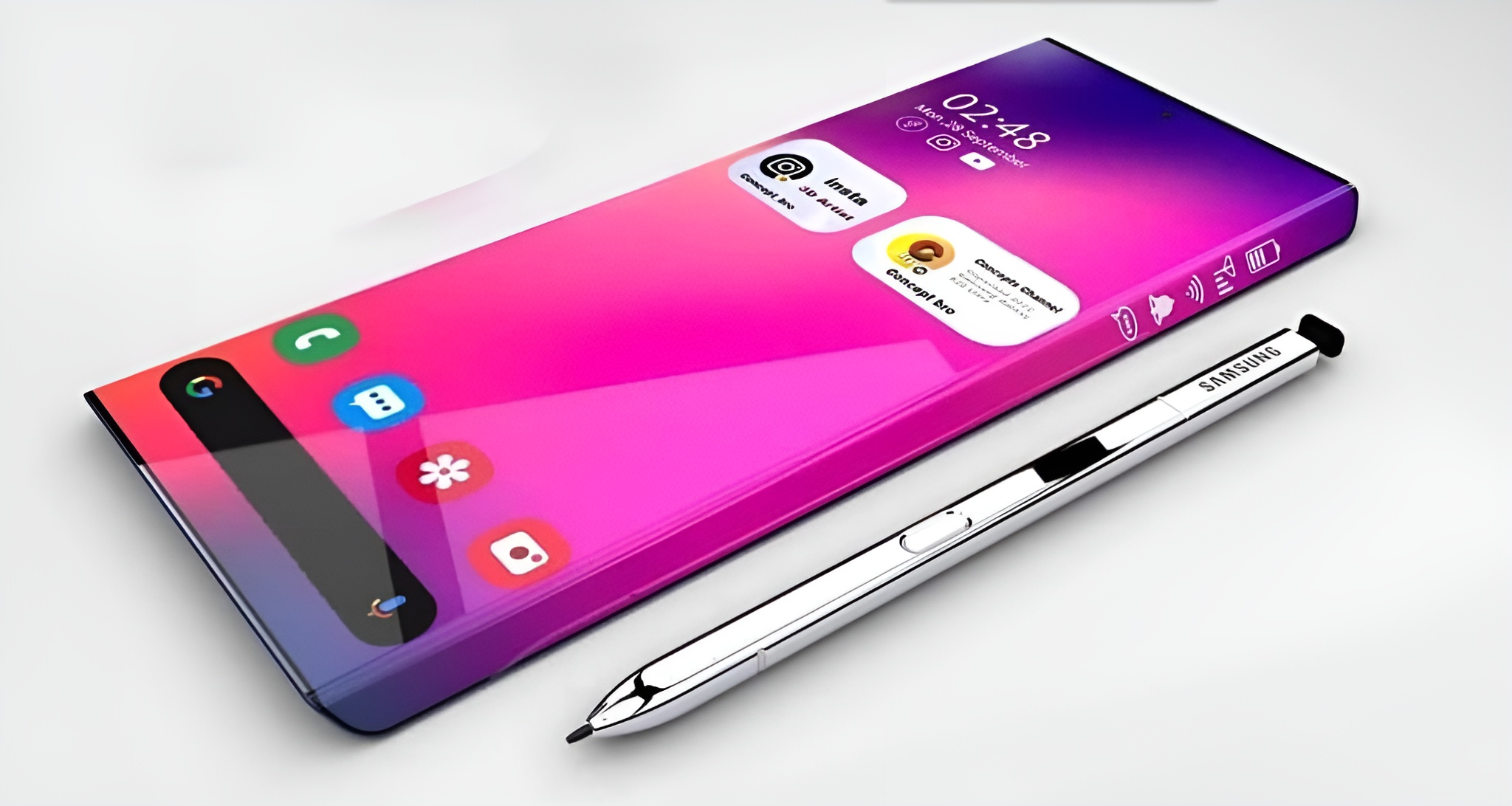
Samsung hasn’t even announced the Galaxy S26 lineup yet, but the Galaxy S27 Ultra is already stirring buzz thanks to a fresh rumor about a new face authentication system. Early test firmware reportedly references something called “Polar ID v1.0” within the phone’s biometric security framework, described in internal logs as a polarized-light authentication system.
If this holds up, it suggests a significant shift away from bulky infrared hardware traditionally used for detailed 3D facial mapping. Instead, the Galaxy S27 Ultra may lean on polarized light techniques, potentially reducing component complexity while aiming for faster, more secure face unlock. The same leak claims the module ties into the front ISOCELL Vizion sensor and a new secure enclave routine labeled BIO-Fusion Core, targeting an unlock latency around 180ms and improved spoofing resistance over the standard 2D selfie-camera method used on current Galaxy S models.
The idea is intriguing. Removing dedicated IR hardware could help streamline the front sensor setup and, in theory, reduce power consumption or free up space. Polarized-light authentication might also add an extra layer of liveness detection and texture analysis beyond a simple 2D scan. Still, details on how Samsung would implement this and how it compares to full-blown 3D systems will only be clear if and when the feature moves beyond testing.
A note of caution is warranted. The tipster behind the Polar ID claim recently shared other camera-related details, including assertions about the Exynos 2600’s imaging capabilities and how they might be selectively used in the Galaxy S26 series. Those claims sparked a public clash with well-known leaker Ice Universe over the Galaxy S26 Ultra’s 3x telephoto camera—one side suggesting an upgrade to 12 megapixels, the other insisting on a 10-megapixel, 1/3.94-inch sensor reportedly smaller than the S25 Ultra’s 1/3.52-inch unit. That dispute underscores the mixed track record and the need for skepticism with early information.
Bottom line: the Galaxy S27 Ultra’s rumored Polar ID face unlock sounds promising and forward-looking, with potential gains in speed and spoof resistance without the overhead of infrared hardware. But with the S27 series not expected until early 2027 and the S26 family still unannounced, it’s early days. Consider this rumor plausible, yet unconfirmed, and expect plans to evolve as development continues.


