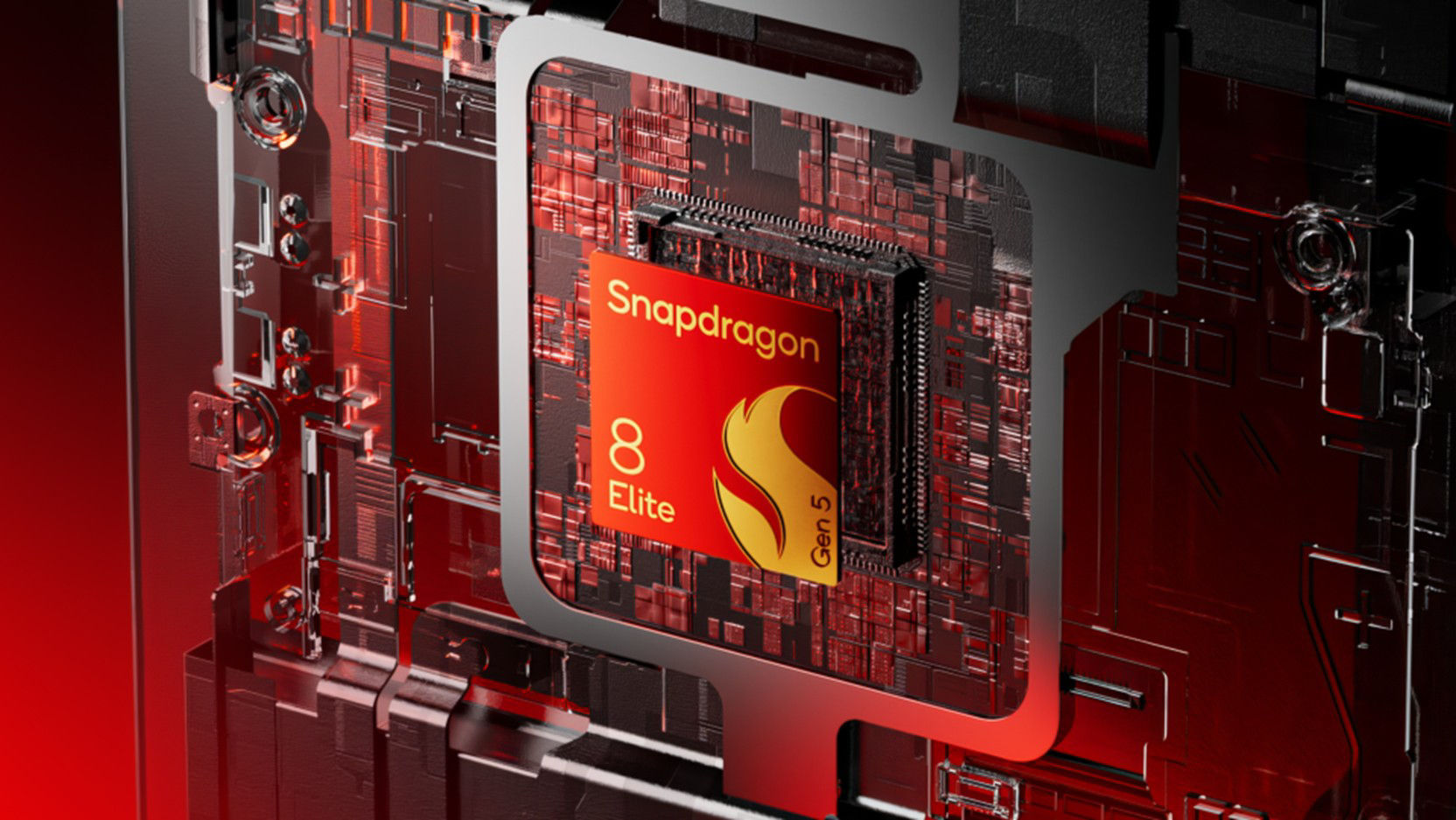
If you’re eyeing the Galaxy S26 series, prepare for a Snapdragon-heavy lineup. Current chatter suggests the Snapdragon 8 Elite Gen 5 will power roughly 75 percent of all Galaxy S26 models worldwide, with the Galaxy S26 Ultra using Qualcomm’s flagship chipset in every market. The remaining models are expected to carry Samsung’s Exynos 2600, but only where supply and yields allow.
Why the Snapdragon tilt? Two factors keep coming up: a rumored penalty clause in Samsung’s ongoing agreement with Qualcomm and lower-than-ideal yields for the Exynos 2600. A leaker on X shared messages claiming the deal between the two companies hasn’t expired, and breaking it early could trigger a hefty fine. While the specific penalty remains unknown, the suggestion is clear—sticking with Snapdragon may cost less than breaching the contract.
There’s also a hard cost reality. Samsung’s chipset expenditure reportedly reached about $9 billion in 2023 and is expected to climb. Qualcomm’s latest silicon commands a premium, driven by the move to TSMC’s advanced manufacturing and custom CPU cores. The Snapdragon 8 Elite Gen 5 is estimated around $280 per chip depending on volume and terms. That kind of bill of materials pressure often has a downstream effect, which is why a price increase for the Galaxy S26 Ultra wouldn’t be surprising.
On the Exynos side, the 2600’s yields are said to be lagging, which limits how widely Samsung can deploy its in-house SoC. That makes Qualcomm’s presence both a safety net and a constraint: it ensures top-tier performance across more units while tying Samsung to a supply and pricing framework it doesn’t fully control.
Some observers frame Qualcomm’s approach as aggressive, pointing to long-standing, complex licensing and component deals across the industry. Apple’s example often comes up: it pays for 5G modems and associated royalties while simultaneously developing its own baseband chip, with a modem licensing agreement reportedly running through March 2027. The takeaway for Samsung is similar—multi-year agreements are the norm, and moving entirely in-house requires time, money, and consistently strong yields.
What this means for buyers:
– Expect the Galaxy S26 Ultra to ship exclusively with the Snapdragon 8 Elite Gen 5 in every region.
– Most non-Ultra Galaxy S26 models will likely use Snapdragon as well, with the Exynos 2600 appearing in select variants depending on availability.
– Premium chipset costs could nudge prices higher, especially for the Ultra.
As always, treat these details as informed rumor until official announcements arrive. Still, based on the supply realities, cost dynamics, and reported contract terms, a Snapdragon-led Galaxy S26 lineup looks plausible—and for performance-focused users, potentially very appealing.