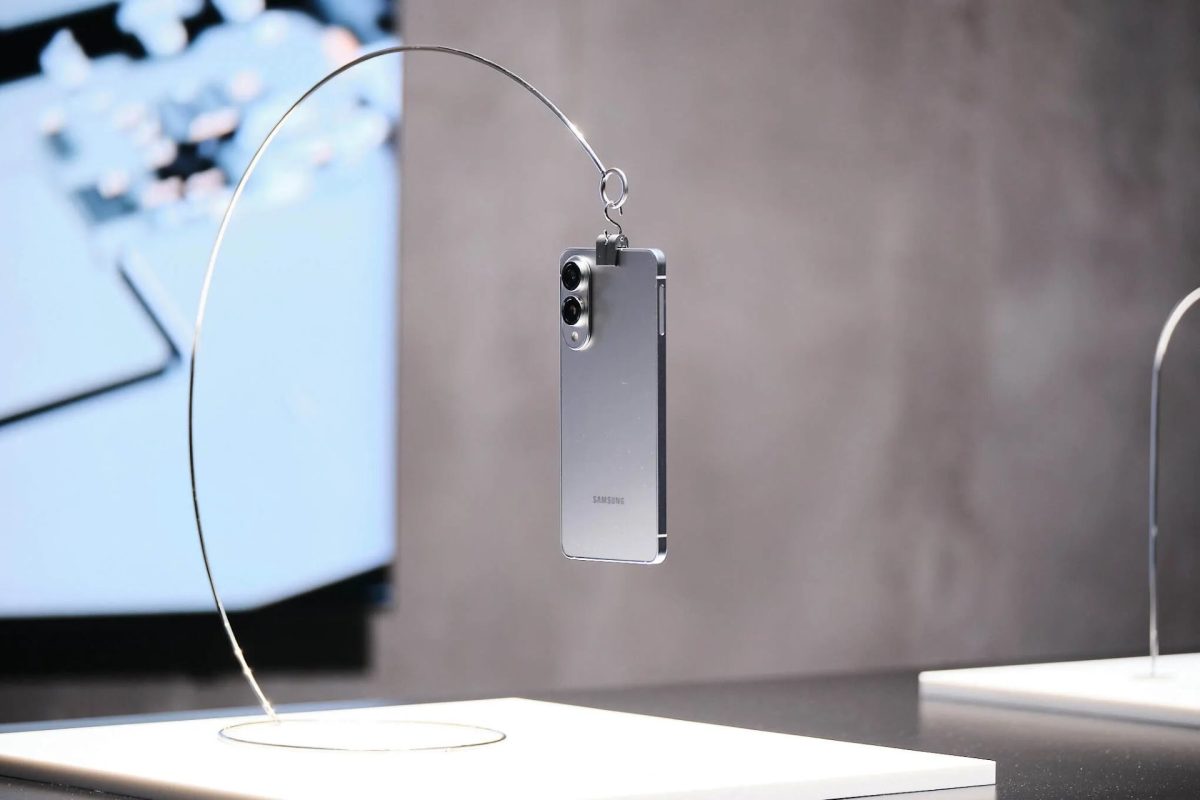
Samsung has been making waves this year with a slew of new products, innovations, and upgrades. Among these is the Galaxy S25 Edge, designed as a more streamlined alternative to the company’s traditional smartphones. This ultra-slim device initially grabbed attention for its sleek design, but it quickly became a topic of debate.
Introduced on May 13, the Galaxy S25 Edge immediately stood out with its remarkable thickness—or lack thereof—at just 5.8mm, making it Samsung’s thinnest S series device yet. While the design showcases impressive engineering, it also comes with trade-offs.
The slim profile, while visually appealing, results in reduced battery capacity due to limited space. This, coupled with a hefty price tag, raises questions about the device’s practicality. Durability is another concern, as bulkier phones tend to withstand wear and tear better.
In tests comparing durability, the S25 Edge was put through rigorous bend examinations and performed admirably, indicating a robust structure and frame. However, a recent drop test revealed less promising results. Despite featuring advanced Gorilla Glass Ceramic 2, the display cracked immediately when dropped from a standard height. Subsequent tests with drops on the back showed that even Gorilla Glass Victus 2 could not prevent damage, as the back glass shattered, and the frame suffered dents.
Although the phone functioned during testing, its performance in accidental drop scenarios was underwhelming compared to standard Galaxy S25 models. Despite its strong frame and ability to handle bending, durability in terms of drop survival might be a deciding factor for potential buyers.
In conclusion, the Galaxy S25 Edge dazzles with its contemporary design and ultra-thin form, but those virtues may come at the cost of resilience. Whether the trade-off is worth it will depend on consumer priorities, balancing aesthetic allure with everyday practicality.


