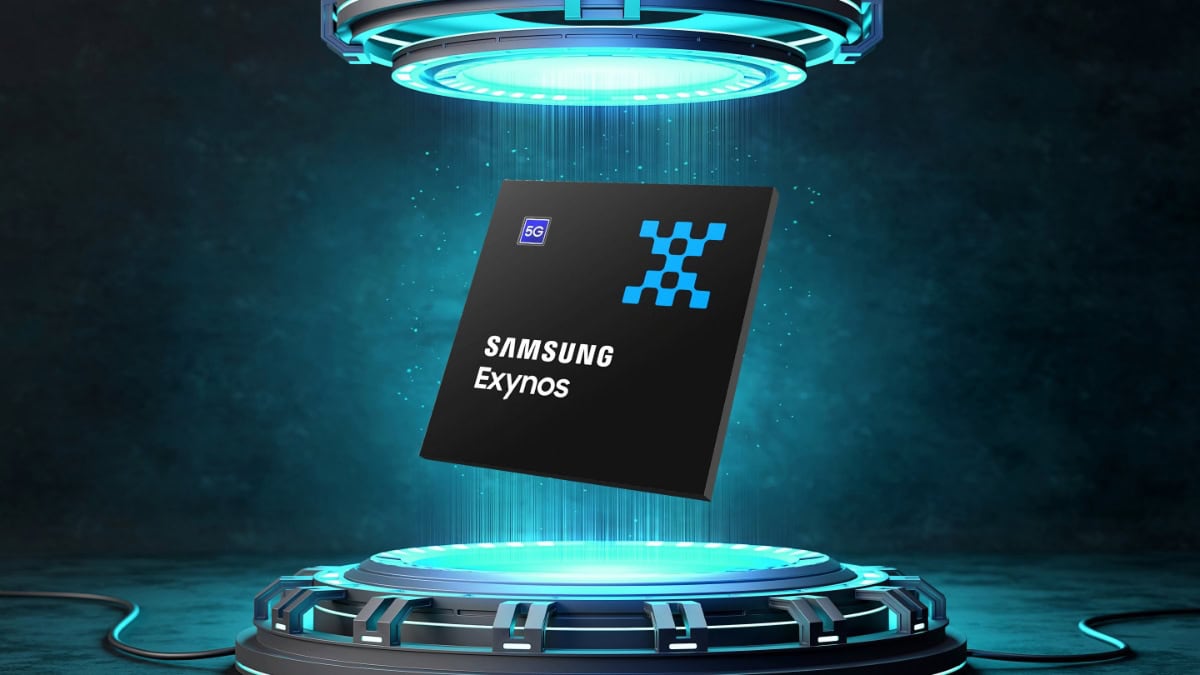
In an intriguing twist of rumors and speculation, the tech world is buzzing with the potential rebranding of Samsung’s next-generation chipset. Set to make its debut in the highly anticipated Galaxy S26 series, this 2nm processor, which might ultimately be released as the Exynos 2600, is rumored to shed its current nomenclature. Driven by whispers of a Samsung-exclusive chip revolution, the move aims to minimize reliance on Qualcomm, a familiar heavyweight in the chipset arena.
The rumors originate from a notable leaker on X, claiming insider knowledge of Samsung’s roadmap. Reportedly, the Exynos 2600 has already shown promising results with a 30% yield in trial production, well ahead of its anticipated mass manufacturing kick-off in May. However, this talk of a name change adds a layer of mystery, considering no official confirmation has come from Samsung.
This alleged rebranding aligns with Samsung’s strategic goal to sidestep the historic dependence on Qualcomm’s Snapdragon processors for flagship devices. Despite past production hurdles, Samsung’s advances in 2nm technology could carve a path toward more homegrown solutions and reduce their need for external suppliers like Qualcomm, who remains a dominant player due to its robust semiconductor capabilities.
Complicating the narrative, the same source hints at another chipset in the pipeline, codenamed ‘Ulysses,’ built on Samsung’s second-generation 2nm technology. This enigmatic project contributes to the intrigue, yet the details remain as elusive as ever.
While Samsung’s bold plans and technological aspirations ignite excitement, skeptics remain cautious. The tech giant’s prior challenges with yield difficulties pose a significant question: can Samsung truly innovate a seamless transition from Exynos to something entirely new?
As speculation swirls, one can only await official announcements to see if Samsung’s rumored rebranding will shift the dynamics of the mobile processor industry. Until then, the prospect remains speculative, a fascinating blend of high hopes and the potential for a tech evolution.