Samsung once owned the foldable phone conversation. When the original Galaxy Fold launched in 2019, it gave the company a massive first-mover advantage and made “Galaxy Fold” almost synonymous with foldables for years. But in 2025, that early lead is no longer protecting Samsung the way it used to. A new Counterpoint Research report shows Samsung losing momentum in North America, even before Apple has officially entered the foldable race.
The numbers highlight a major shift in the North American foldable market between 2024 and 2025. Motorola surged from 30.1 percent to 44.1 percent market share, taking a commanding position with its foldable lineup. During the same period, Samsung’s share fell sharply from 65.6 percent down to 50.9 percent. Google saw only small growth, with an uptick of 0.7 percent, but the key takeaway remains the same: Samsung is no longer widening the gap—it’s watching challengers close in.
A big reason behind the slide is perception. Samsung’s yearly foldable updates have started to feel iterative, with fewer “must-upgrade” moments. Even the upcoming Galaxy Z Fold 8 is rumored to stand out mainly through the return of S Pen support and a more subtle inner display crease. That crease reduction would have been a headline-grabber a couple of years ago, but foldable display improvements across the industry have made it less dramatic. Rival devices are increasingly praised for smoother-looking folds, which makes Samsung’s incremental changes feel less exciting to shoppers comparing options side by side.
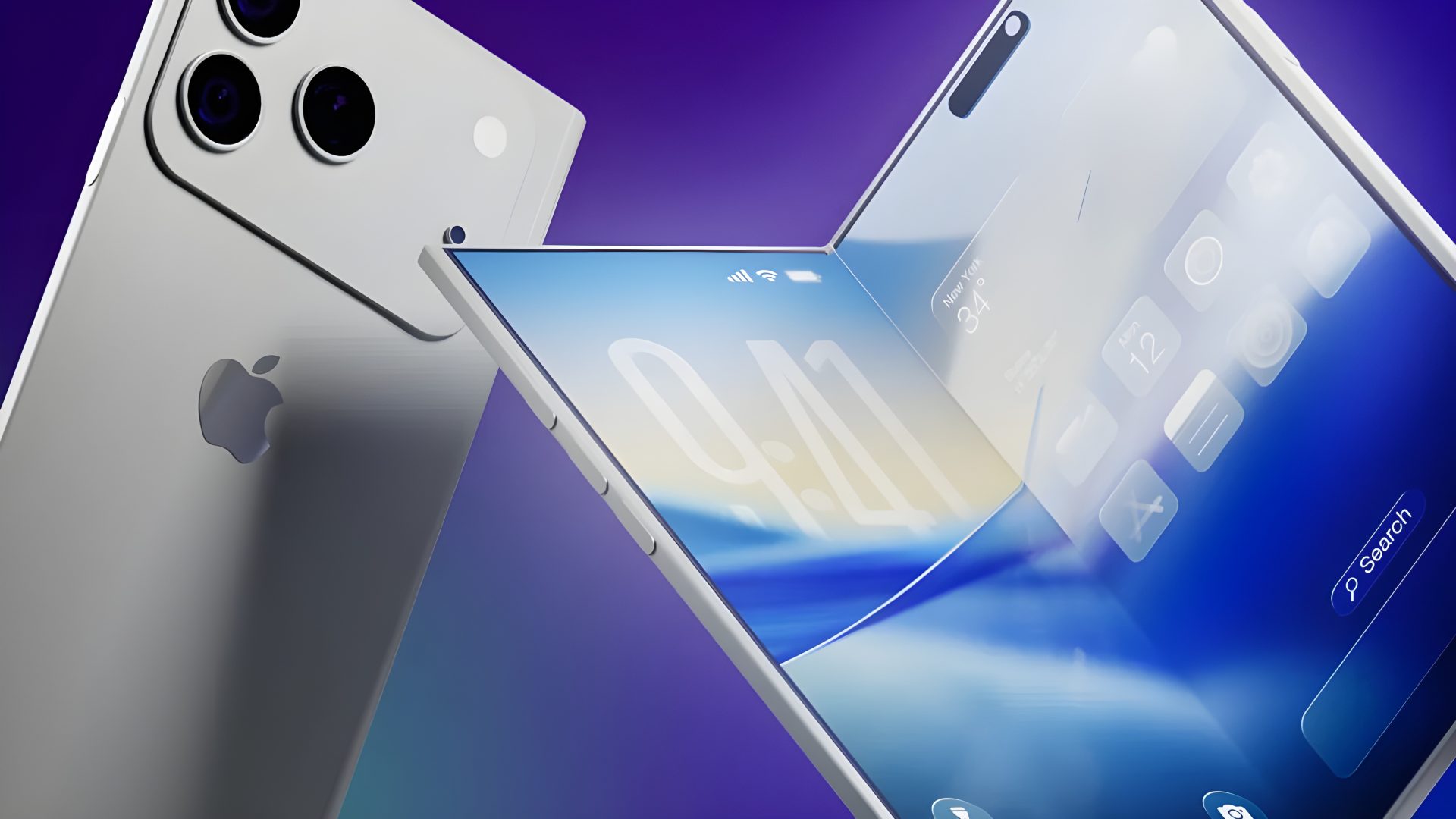
What makes Samsung’s market share loss even more notable is the timing. Apple’s foldable iPhone—often referred to as the iPhone Fold—has not launched yet, but it’s widely expected to arrive in the second half of this year. In other words, Samsung is losing ground before the biggest potential disruptor has even shown up.
Early expectations for Apple’s entry suggest the company is taking the “do it later, but do it differently” approach. The iPhone Fold is rumored to use a modified hinge mechanism made from liquid metal, a material choice that could improve durability and reduce wear over time. Apple is also said to be exploring a display structure designed specifically to minimize the fold crease, including a layered approach that places the display between dual layers of ultra-thin glass or ultra-thin flexible glass. The goal would be to better distribute folding stress, protect the panel from hinge contact, and improve long-term reliability—areas that matter a lot for buyers hesitant about foldable durability.
Another rumored piece of Apple’s plan involves OLED efficiency and thickness. The company may apply a Color Filter on Encapsulation (CoE) layer to the OLED panel’s protective encapsulation. This technique can replace a traditional thick circular polarizer with a thinner, directly deposited color filter layer. Combined with a black pixel definition layer, this could boost light transmittance and cut power consumption. For foldables, thinner and lighter display stacks aren’t just nice on paper—they can reduce mechanical stress during folding, improve longevity, and even enable a tighter folding radius.
If these details translate into a polished consumer product, Apple’s first foldable could instantly raise expectations for design, battery efficiency, display quality, and hinge engineering. That looming launch adds pressure to every existing foldable brand, especially Samsung, which helped popularize the category but now faces criticism for playing it safe too often.
Samsung is rumored to be preparing its own counter, including a Galaxy Wide Fold that could adopt a passport-like form factor similar to what’s expected from Apple’s foldable iPhone. But if Samsung wants to protect its leadership in the North American foldable phone market, a new model name alone won’t be enough. Buyers are responding to meaningful upgrades, better form factors, and devices that feel like real leaps forward—not just refinements.
For Samsung, the message from the latest market share shift is clear: foldables are no longer a one-company show, and the next phase of competition may be the most intense yet—especially once Apple finally steps onto the foldable stage.