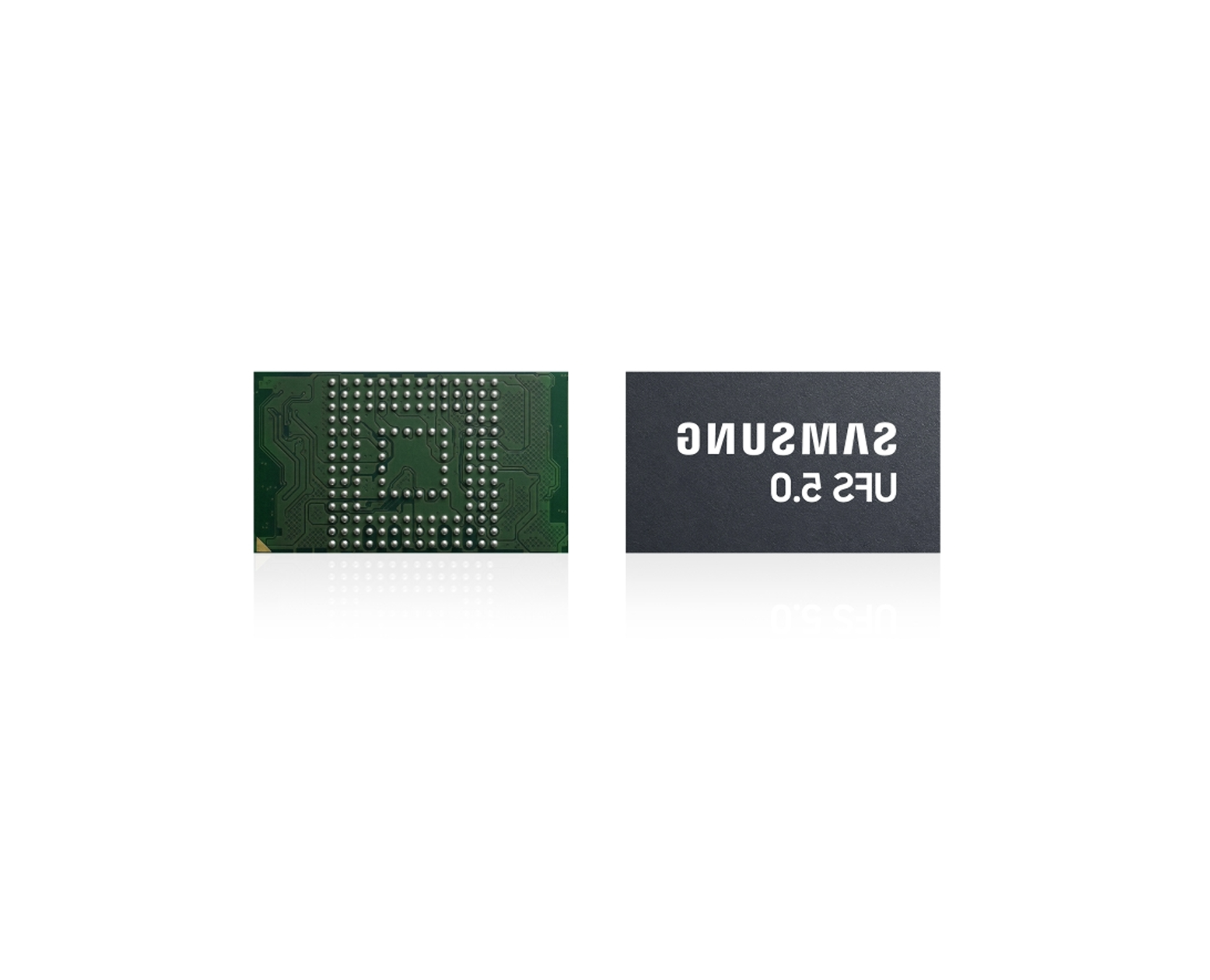
Samsung Unveils UFS 5.0 Storage With Up to 10.8GB/s Read Speeds, Setting the Stage for Faster AI Phones
Samsung has introduced what it describes as the world’s first UFS 5.0 storage chip, a major step forward for next-generation smartphones, tablets, and mobile AI devices. The new storage solution delivers sequential read speeds of up to 10.8GB/s and sequential write speeds of up to 9.5GB/s, making it more than twice as fast as today’s UFS 4.1 storage standard.
For comparison, UFS 4.1 currently tops out at around 4.3GB/s read speeds and 4.1GB/s write speeds. That means UFS 5.0 could bring noticeably faster app launches, smoother multitasking, quicker file transfers, and improved performance in demanding mobile workloads.
One of the biggest benefits of UFS 5.0 may be its impact on on-device AI. As smartphones become more dependent on local artificial intelligence features, fast storage is becoming just as important as raw processor power. AI tools need to access large amounts of data quickly, and Samsung’s new UFS 5.0 chip is designed to support that shift.
The company says the chip is also 40 percent more power-efficient than UFS 4.1. This improvement comes from technologies such as clock gating and multi-voltage operation, which help reduce unnecessary power use. In practical terms, future phones using UFS 5.0 could deliver faster performance without draining the battery as aggressively.
Samsung has also managed to make the new storage chip compact. It measures 7.5mm x 13mm x 0.9mm, making it suitable for slim mobile devices where internal space is always limited. Despite its small size, the chip will be available in capacities of up to 1TB when mass production begins.
Mass production of Samsung’s UFS 5.0 storage is planned for the fourth quarter of 2026. That timeline suggests the first smartphones using the new storage standard could arrive in early 2027.
There is already speculation that Samsung’s future Exynos 2700 processor may support UFS 5.0 natively. If that happens, the Galaxy S27 series could be among the first major smartphones to take advantage of the new high-speed storage technology. However, Samsung has not officially confirmed UFS 5.0 support for the Galaxy S27 lineup.
If the performance claims hold up in real-world use, UFS 5.0 could become one of the most important upgrades in future flagship smartphones. While camera sensors and processors often get most of the attention, storage speed plays a key role in everyday performance. Faster storage can make a phone feel more responsive, especially when opening large apps, recording high-resolution video, processing AI tasks, or moving big files.
With UFS 5.0, Samsung is preparing for a new generation of mobile devices where speed, efficiency, and AI performance matter more than ever. The jump from UFS 4.1 to UFS 5.0 is not a small upgrade; it could be a major foundation for the next era of premium smartphones.