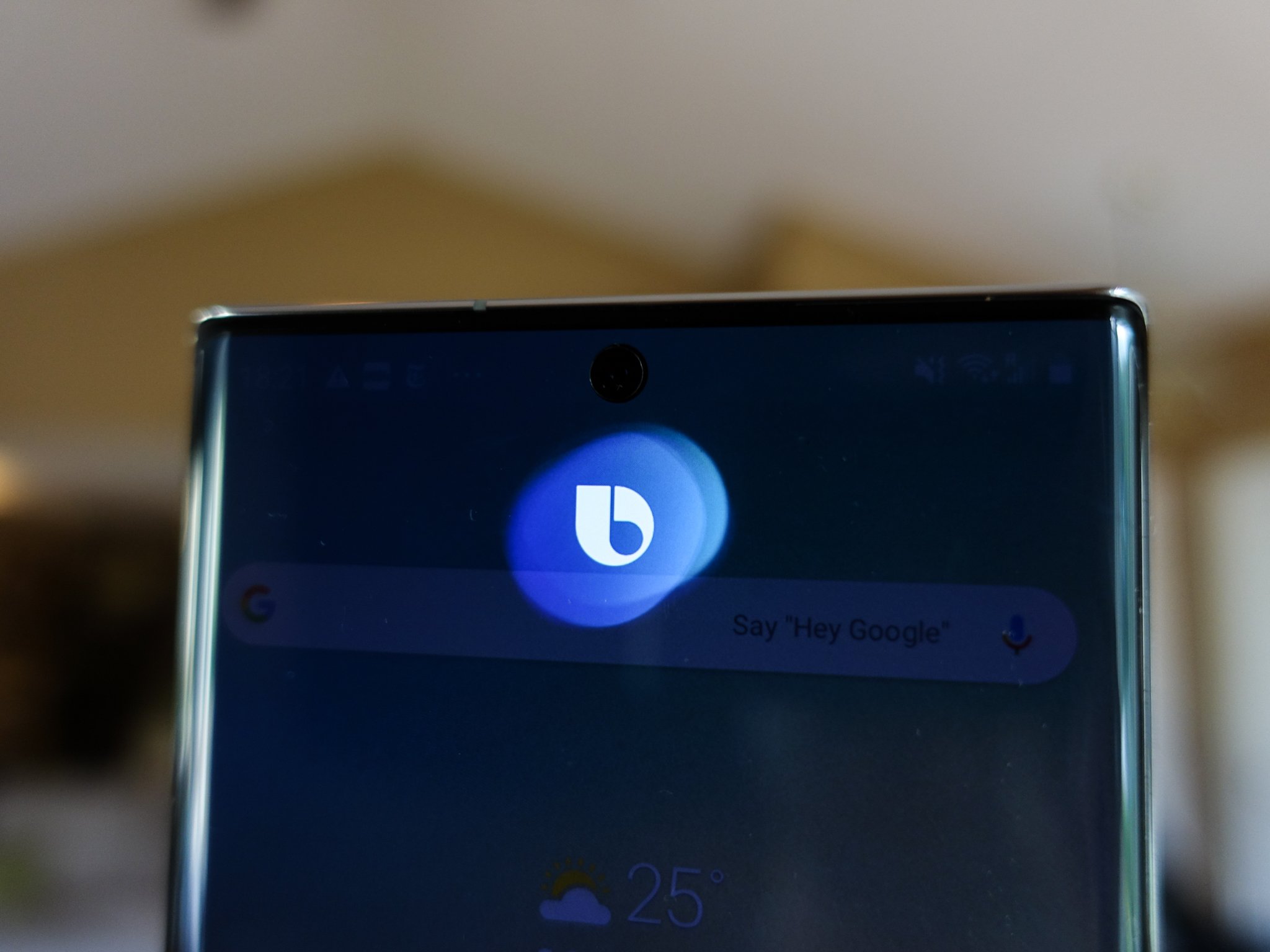
Apple often gets criticized for being late to the AI party. But the way Apple actually built its AI strategy, splitting quick everyday tasks from heavier “thinking” requests, is starting to look like the blueprint other phone makers want to follow. Now Samsung appears ready to adopt a very similar approach, pairing its Bixby voice assistant with Perplexity AI for the next generation of Galaxy phones.
According to a widely followed tipster posting on X under the name “Semi-retired-ing,” Samsung is preparing to integrate Perplexity AI directly into Bixby, with the first major rollout expected alongside the Galaxy S26 series launch early next year. The idea is straightforward: Bixby continues to handle basic device commands, while Perplexity’s AI models step in for more complex requests that require deeper reasoning or advanced generative features.
In practice, that means familiar voice assistant actions—setting alarms, changing phone settings, starting routines, and other simple system-level tasks—would remain Bixby’s job. When a request becomes more demanding, such as generating images or handling more intricate multi-step questions, Perplexity would provide the “brains” behind the scenes. It’s a division of labor that mirrors the kind of hybrid assistant experience Apple has been moving toward.
This also hints at a strategic decision from Samsung: rather than rebuilding Bixby from the ground up, it may be more efficient and cost-effective to modernize it by connecting it to a powerful external AI. For Samsung, that could be a faster path to making Bixby feel relevant again—especially at a time when Google’s Gemini is already deeply embedded across the Android ecosystem and widely used on Galaxy devices.
There’s another reason this partnership makes sense: Perplexity already has a foothold in the Galaxy user base in the United States, where Samsung owners have been offered up to 12 months of free access to Perplexity’s premium subscription tiers. Tighter integration into Bixby would build on that existing relationship and potentially give Samsung a differentiated AI experience compared to other Android manufacturers.
Apple’s hybrid AI approach is clearly influencing the market. Apple Intelligence currently relies on on-device models for everyday requests and calls on OpenAI’s ChatGPT when tasks become more complicated. But that strategy may soon evolve even further. Reports from early November indicate Apple is planning a major Siri upgrade powered by a customized Gemini model, with a claimed 1.2 trillion parameters—vastly larger than the roughly 1.5 billion-parameter model Apple currently uses for Siri in the cloud.
Before reportedly leaning toward Gemini, Apple is said to have evaluated multiple large language model options, including ChatGPT and Anthropic’s Claude. The goal: improve Siri’s ability to handle more complex, cloud-processed requests while still maintaining Apple’s privacy standards through its Private Cloud Compute framework, which is designed to anonymize data by stripping unique identifiers.
Apple’s AI ambitions also come with big-money partnerships. The same reporting suggests Apple would pay Google roughly $1 billion per year for access to Google’s AI technology. That would add to the already massive business relationship between the two companies—separate from the deal where Google reportedly pays Apple about $20 billion annually to remain the default search engine across Safari and other Apple services.
If Samsung moves forward with Perplexity AI inside Bixby for the Galaxy S26 series, it could mark one of the biggest changes to Samsung’s voice assistant in years. More importantly, it would underline where the smartphone AI race is heading: not just who has the best model, but who can stitch together on-device speed, cloud intelligence, and practical everyday usefulness in a way that feels seamless to users.