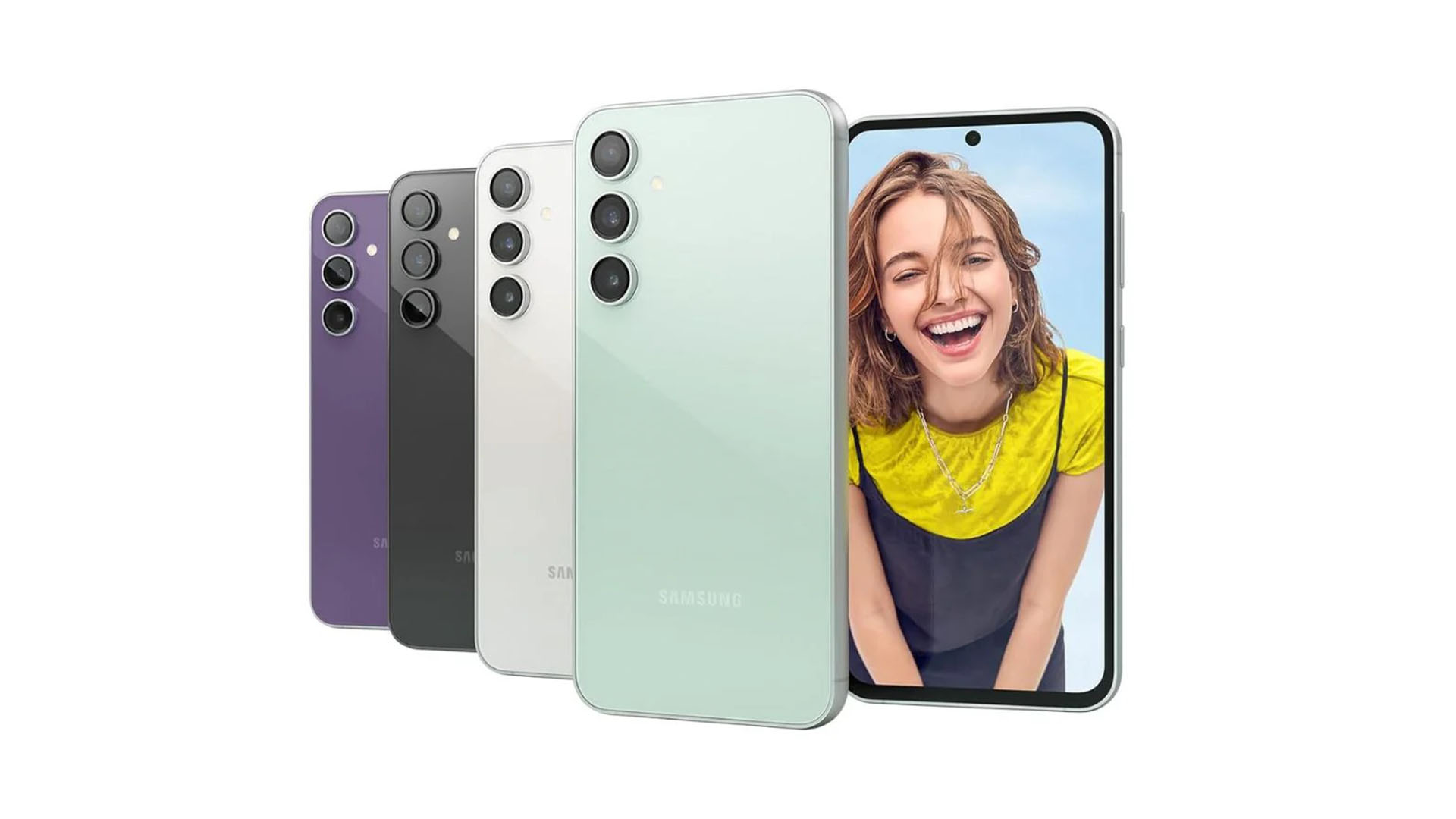
Samsung Electronics has made a surprising move by announcing that its upcoming Galaxy S24 FE will feature the Exynos 2400 processor in the United States. This breaks away from the company’s nearly 10-year practice of outfitting its high-end smartphones with Qualcomm’s Snapdragon chipsets for the American market. The introduction of the Exynos 2400 indicates a significant shift in Samsung’s approach to its product lineup in the states.
Information has surfaced regarding the Galaxy S24 FE, showcasing an intriguing benchmark result from Geekbench 6. This listing revealed the device under the model number SM-S721U with the motherboard number S5E9945, evidently indicating the integration of the Exynos 2400 chipset. Additionally, the device appeared to be tested with 8GB of RAM, which is a standard expectation for a competitively priced premium handset.
This decision has revealed itself as part of a larger pattern. Samsung is rumored to be considering the MediaTek Dimensity 9300+ for its upcoming Galaxy Tab S10 Plus and Galaxy Tab S10 Ultra, rather than relying on the pricier Snapdragon 8 Gen 3. Taking into account the estimated cost of $200 for Qualcomm’s flagship chip, Samsung’s profit margin on each Galaxy S24 FE would be negligible if they chose to go that route. By opting for the in-house Exynos 2400, they’re making a strategic financial call. This move becomes evident when considering the Galaxy S23 FE’s retail price on platforms like Amazon, where it is listed at around $499.
Cost considerations aside, Samsung’s Exynos 2400 is not to be underestimated in terms of performance. It is noteworthy as the brand’s first processor to benefit from the Fan-out Wafer Level Packaging (FOWLP) technology. This technique enhances the chip’s thermal resilience, which in turn contributes to a commendable multi-core performance output. Moreover, with an adequate cooling system in place, the Exynos 2400 demonstrates the ability to sustain a smooth 60FPS gameplay in resource-intensive titles like Genshin Impact. Marked gains in performance have also been noted when compared to its predecessor, the Exynos 2200.
Looking at the features and capabilities of the Exynos 2400, there is a clear potential for the Galaxy S24 FE to succeed in the U.S. market. This is especially true for consumers who are seeking the premier smartphone experience without committing to the traditionally higher costs associated with flagship devices. With these strategic selections, Samsung is positioned to shake up its U.S. offerings, presenting a compelling option to the American consumer base in the premium smartphone segment.