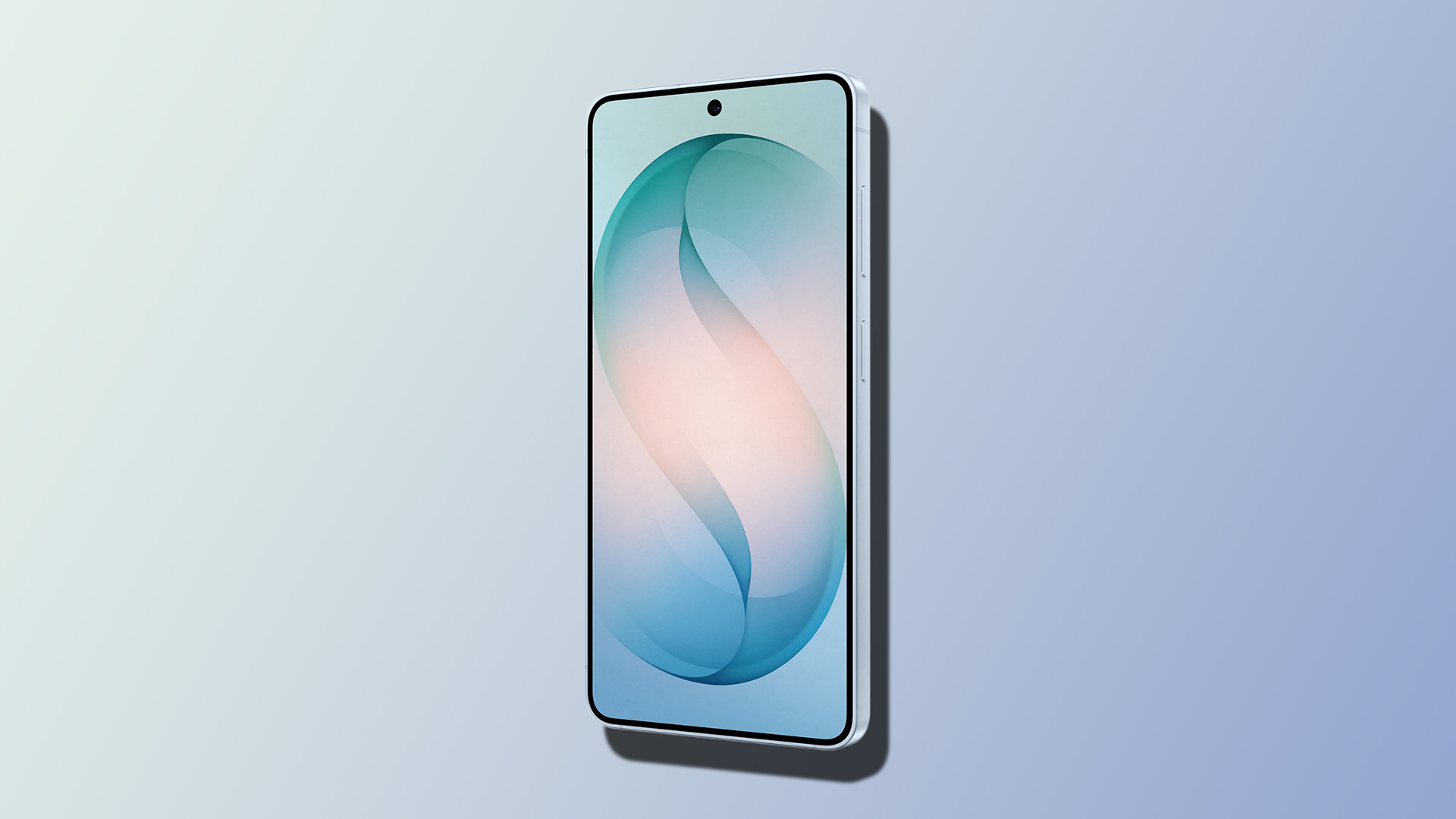
BOE appears to have missed another major opportunity in the premium smartphone display market, with a new report claiming that Samsung will no longer use the Chinese company’s OLED panels for the base Galaxy S27 model.
Samsung had reportedly been exploring BOE as a potential OLED supplier for its next-generation flagship phone lineup as part of a broader effort to reduce component costs. With storage and memory prices expected to rise, the company was said to be looking for ways to control expenses elsewhere in the supply chain. BOE’s panels were reportedly around $5 cheaper per unit than comparable displays sourced from Samsung’s own display division, which could have helped the company save millions of dollars across large production volumes.
However, that potential partnership now appears to have fallen apart. According to a report from South Korean media, BOE will not supply OLED displays for the standard Galaxy S27. The exact reason has not been officially confirmed, but the situation has once again raised questions about BOE’s ability to meet the strict quality standards required by top-tier smartphone brands.
For Samsung, display quality is a critical part of the Galaxy S series identity. Even the base model is expected to deliver strong brightness, color accuracy, durability, and power efficiency. If a supplier cannot consistently meet those expectations at scale, the cost savings may not be worth the risk. A cheaper panel can quickly become expensive if it leads to lower yields, production delays, or customer complaints.
This is not the first time BOE has reportedly struggled to secure a major premium OLED contract. The company was also said to have missed out on supplying displays for Apple’s future high-end devices, including upcoming Pro iPhone models and a foldable iPhone. Those orders are expected to remain with more established suppliers such as Samsung Display and LG Display.
The setback is significant because BOE has been working aggressively to expand its presence in the global OLED market. Winning orders from companies like Samsung and Apple would help strengthen its reputation and prove that it can compete at the highest level of display manufacturing. Instead, the company continues to face doubts over consistency and quality control, particularly for flagship-grade products.
That said, BOE is unlikely to step away from the fight. The company remains a major player in display manufacturing and continues to compete in other categories, including OLED panels for laptops. Demand for OLED screens is growing across smartphones, tablets, notebooks, and future foldable devices, giving BOE plenty of room to keep improving its technology and production standards.
For now, Samsung’s reported decision suggests that the Galaxy S27 display supply chain may remain more dependent on proven partners. While BOE may offer attractive pricing, flagship smartphones require a level of precision and reliability that leaves little room for compromise.
If BOE can solve its quality challenges, it could still become a stronger global rival in the OLED industry. But until then, missed deals with major brands will continue to highlight the gap between low-cost production and premium display manufacturing.