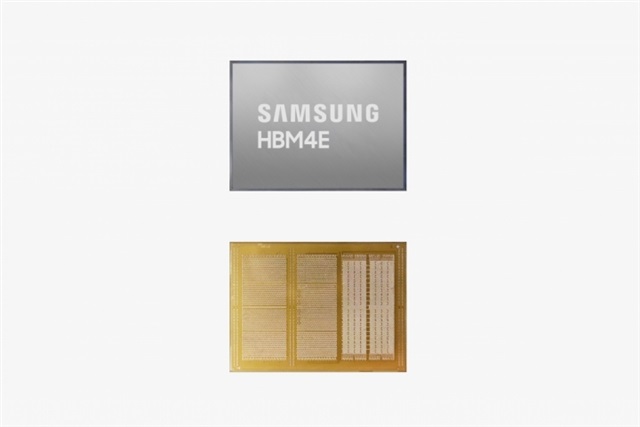
Samsung Electronics Sees 70% Surge in Advances as Memory Chip Deals Shift Long Term
Samsung Electronics recorded a sharp rise in total advances received during the first half of 2026, highlighting a major shift in how the global memory chip industry is managing supply, demand, and long-term business planning.
According to the latest figures, Samsung’s total advances received increased by 70.4% in the first six months of 2026. This significant jump suggests that major customers are committing more money upfront as they look to lock in future access to critical memory products.
The increase comes at a time when memory suppliers and their biggest buyers are moving away from short-term purchasing strategies. Instead, more companies are turning to multi-year supply agreements designed to reduce uncertainty in a market known for rapid price swings and sudden changes in demand.
For Samsung Electronics, one of the world’s leading memory chip manufacturers, the rise in advance payments may offer stronger visibility into future orders. Advance payments can help suppliers plan production more effectively, manage capacity, and respond to customer needs with greater confidence.
For customers, long-term memory agreements provide a way to secure supply in advance, especially as industries become more dependent on high-performance memory components. Memory chips remain essential for servers, consumer electronics, smartphones, PCs, data infrastructure, and emerging technologies that require faster and more reliable data processing.
The shift toward longer contracts also reflects lessons learned from recent years, when semiconductor shortages and market volatility disrupted supply chains across multiple industries. By entering multi-year deals, both suppliers and buyers can reduce the risk of sudden shortages, unexpected price spikes, or inventory imbalances.
Samsung’s 70.4% rise in advances received may also point to growing confidence in future demand for memory products. While the memory market has traditionally moved in cycles, long-term agreements can help smooth out some of that volatility by giving manufacturers a clearer view of customer requirements over several years.
This trend could become increasingly important as demand for advanced memory solutions continues to evolve. Companies that rely heavily on memory supply may prefer predictable access over short-term cost savings, particularly when supply stability is critical to their own product roadmaps.
The broader message is clear: the memory chip industry is becoming more strategic. Instead of reacting only to current market conditions, major players are planning further ahead. Samsung’s sharp increase in advances received shows how valuable supply security has become in the semiconductor sector.
As memory suppliers and key customers continue to embrace multi-year agreements, the industry may see more stable planning, improved demand forecasting, and stronger partnerships between chipmakers and the companies that depend on them. Samsung Electronics’ latest figures offer a strong signal that long-term memory deals are becoming a bigger part of the semiconductor market in 2026.