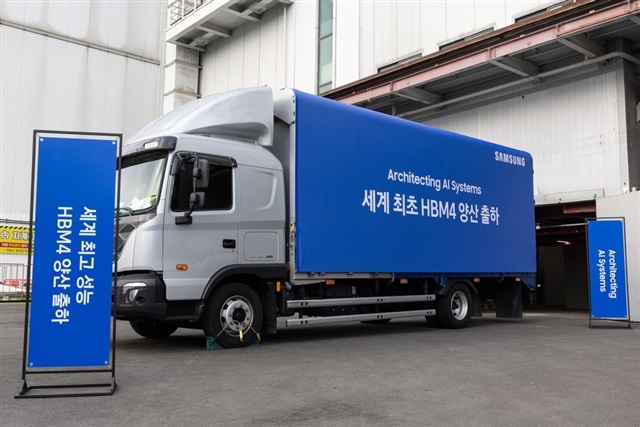
Samsung Electronics has taken a major step forward in the global semiconductor race by officially starting mass production and commercial shipments of its HBM4 memory. The move signals a significant milestone not just for Samsung, but for the wider AI and high-performance computing market, where demand for faster, more efficient memory continues to surge.
HBM4, short for High Bandwidth Memory 4, is the newest generation of advanced stacked memory designed to feed data-hungry processors at extremely high speeds. This type of memory has become a critical piece of modern AI infrastructure, helping accelerate workloads like large language model training, inference at scale, scientific computing, and next-generation data center performance. With Samsung now moving into full-scale production and shipping, it suggests the company is ready to meet rising customer needs with a supply that goes beyond demos and limited early batches.
The timing is especially important. As AI adoption expands across cloud providers, enterprises, and research institutions, the industry’s bottlenecks increasingly come down to memory bandwidth and power efficiency. HBM products are designed to tackle those constraints by offering massive throughput while keeping energy use under control compared to many conventional memory approaches. By pushing HBM4 into mass production, Samsung positions itself to play a bigger role in the next wave of AI hardware deployments.
For buyers across the AI, server, and HPC ecosystem, the commercial shipment element matters as much as the announcement itself. Mass production typically indicates the technology is ready for broader integration into real-world platforms, helping hardware partners plan upcoming product cycles and scaling strategies. In other words, this development isn’t just a lab achievement—it’s a market-ready step that can influence the supply chain and competitive dynamics in AI computing.
Samsung’s HBM4 milestone also highlights how central advanced memory has become in the semiconductor landscape. While processors often get most of the attention, high-bandwidth memory is increasingly the performance engine that determines how efficiently cutting-edge accelerators can operate. As AI models grow larger and more complex, that role becomes even more essential.
With mass production underway and shipments already happening, Samsung’s latest HBM4 rollout could have a meaningful impact on how quickly next-generation AI systems and high-performance platforms arrive—and how well they perform once they do.