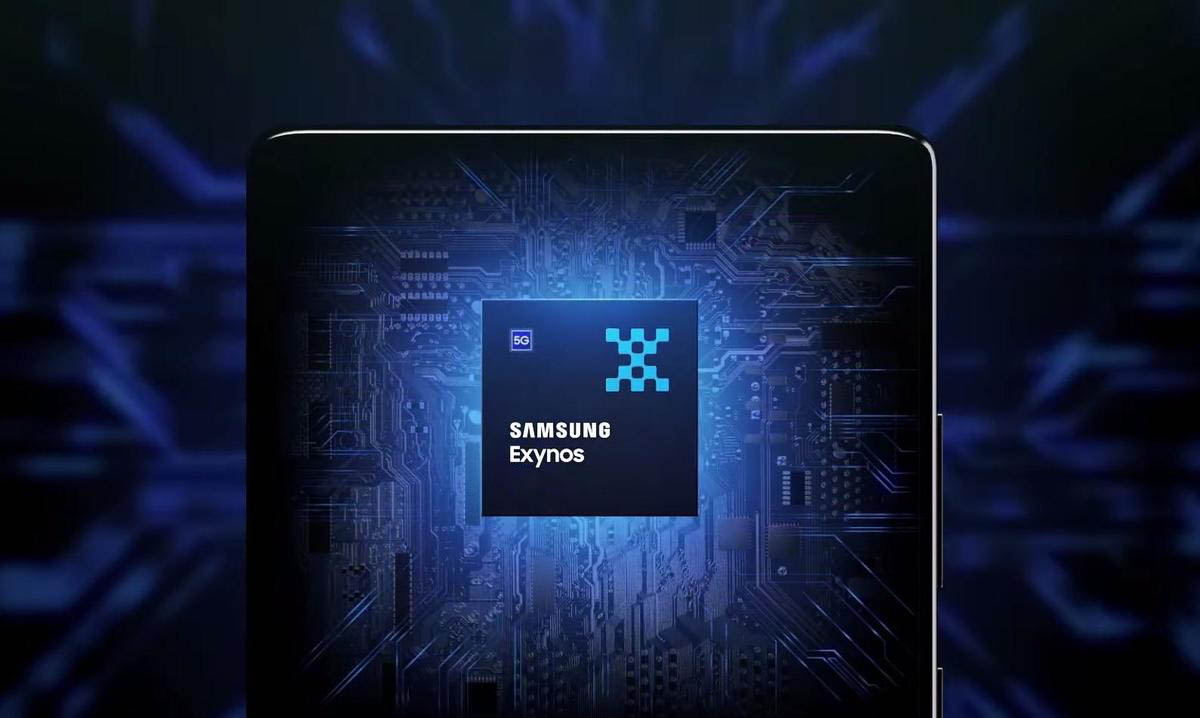
Samsung seems to be doubling down on its Snapdragon alliance for the Galaxy S25 series, exclusively featuring the Snapdragon 8 Elite chip. This strategic decision indicates ongoing challenges in scaling up production of its advanced Exynos 2500 chipset. However, there’s a glimmer of hope for Exynos fans, as rumors suggest Samsung plans to incorporate this chip in a single device: the upcoming Galaxy Z Flip 7.
The Exynos 2500 is set to sport a familiar 10-core configuration seen in its predecessor, the Exynos 2400, while embracing updated ARM CPU designs. A key highlight is the new Xclipse 950 GPU, which boasts AMD’s cutting-edge RDNA 3.5 architecture. The flagship core of this chipset will be ARM’s Cortex-X925, clocked at 3.30 GHz, providing a significant boost in performance. Alongside this, there are configurations including two Cortex-A725 cores at 2.75 GHz, five more at 2.36 GHz, and a duo of Cortex-A520 cores clocked at 1.80 GHz.
Memory and storage specs don’t disappoint either, with the Exynos 2500 supporting quad-channel LPDDR5X RAM at blazing speeds of 9.6Gbps and UFS 4.0 storage. This ensures the Galaxy Z Flip 7 won’t just be a feast for the eyes with its foldable screen but also a powerhouse under the hood.
The partnership with AMD continues to shine through with the expected Xclipse 950 GPU, featuring eight cores and a 1.30 GHz clock speed. All these specs paired together suggest a promising performance profile on paper.
There’s more to excite tech enthusiasts: the Exynos 2500 will potentially support a whopping 320MP camera, and offer video decoding at 8K 60FPS and encoding at 8K 30FPS.
Despite these impressive specifications, the Exynos 2500 is anticipated to lag behind the formidable Snapdragon 8 Elite and MediaTek’s Dimensity 9400. The mystery surrounding its fabrication process continues, as it’s yet unclear if it will be produced using Samsung’s advanced 3nm GAA technology. However, more details are expected to unfold in the forthcoming months. Keep an eye out for updates to see how this unfolds in Samsung’s ambitious foray into the future of smartphones.