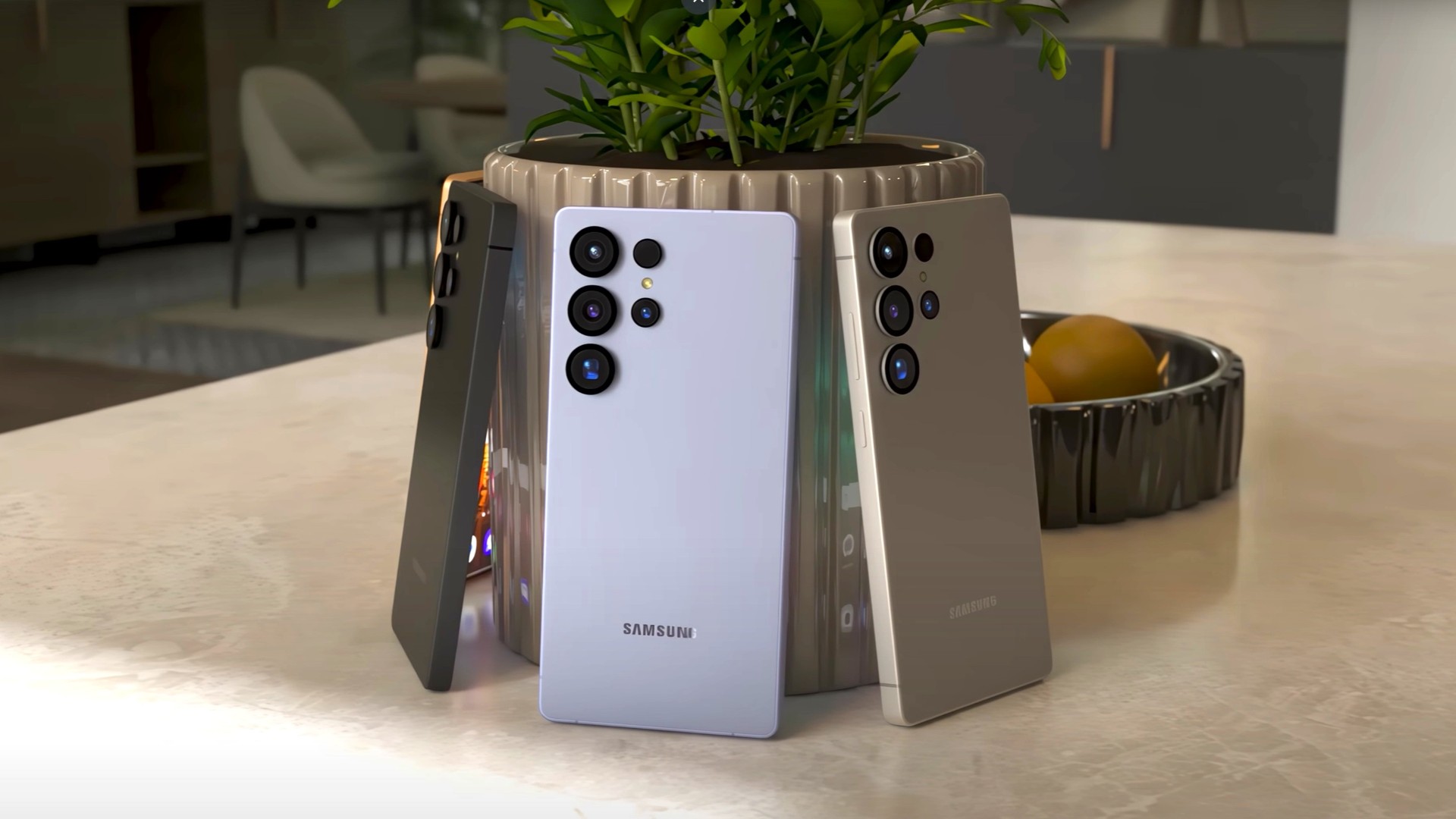
Exciting whispers have emerged about the upcoming Galaxy S26 Ultra, successor to the Galaxy S25 Ultra. Early hints suggest notable features like a 200-MP sensor and a 5x telephoto camera. Recently, an online leaker, known as @PandaFlashPro, shared a plethora of specs, although it’s wise to view them as speculative for now, given Samsung likely hasn’t finalized anything yet.
Looking ahead to 2026, the Galaxy S26 Ultra is predicted to feature Qualcomm’s Snapdragon 8 Elite Gen 2 chipset, anticipated in September. The display size is expected to remain a 6.9-inch screen with “COE technology,” keeping changes minimal. The iconic S Pen will still be included, but this time, without Bluetooth capabilities.
In terms of design, Samsung seems to be sticking with tradition, maintaining a similar quad-cam configuration in a P format. Notably, camera rings will be absent in both this model and the upcoming Galaxy Z Fold7. A slight decrease in the titanium casing thickness—from 8.2 mm to 8.1 mm—might go unnoticed. Despite keeping the 5,000 mAh battery capacity and 45-watt fast charging, improvements are anticipated in battery efficiency, although new technology isn’t being widely adopted yet.
For performance enthusiasts, the Galaxy S26 Ultra may come with 16 GB of RAM across all variants, which include 256 GB, 512 GB, and 1 TB storage options. The cooling system is reportedly enhanced with a vapor chamber 20% larger than before. Connectivity features like Wi-Fi 7 and satellite communication may also make an appearance, with Qi2 wireless charging available only via external magnetic cases. The device’s focus will lean heavily on advanced AI features operating natively.
Camera-wise, subtle yet impactful upgrades are expected. While the ISOCELL HP2 will remain the main 200-MP sensor, enhancements include a new lens. The setup will likely feature a 50-MP ultra-wide-angle lens, a 50-MP 5x telephoto lens, and a possible improvement over the existing small 10-MP sensor. Selfie enthusiasts can expect a revamped front camera. Additionally, software updates like 4K120 slow motion and consistent support for 8K30 and LOG video hint at a significant step forward, though specific sensor selections remain under wraps.
These insights show a promising evolution in Samsung’s flagship series, hinting at exciting technological advancements and design refinements that tech enthusiasts will eagerly anticipate.


