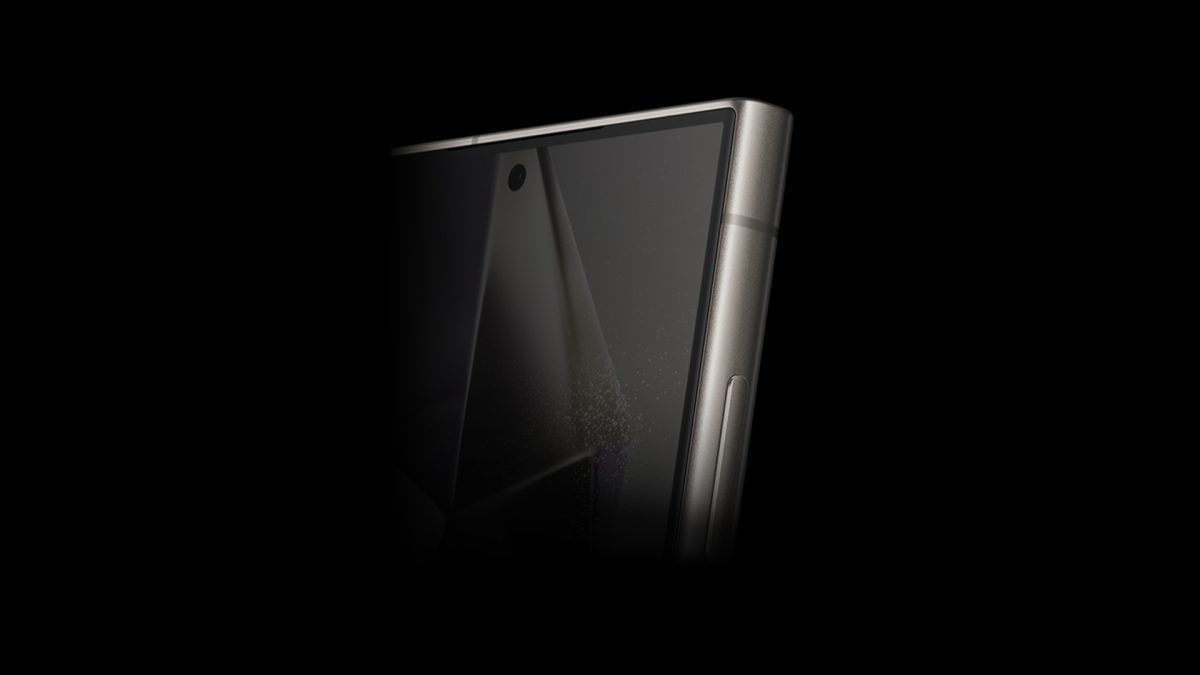
Samsung is gearing up for an exciting launch with the Galaxy S25 series anticipated early next year, promising some intriguing upgrades. The buzz around town is about the potential design tweaks featuring rounded back edges and a possibly larger display. However, the real excitement lies beneath the hood. The Galaxy S25 Ultra is rumored to be taking a giant leap forward in processing power with the cutting-edge Snapdragon 8 Gen 4 chip. Meanwhile, the standard version of the Galaxy S25 may feature a shift in strategy by harnessing the MediaTek Dimensity 9400 chip.
Why the change, you ask? Well, the Dimensity 9400 from MediaTek appears to be a game-changer, coming in 20 percent cheaper than Qualcomm’s highly anticipated Snapdragon 8 Gen 4. This price comparison might seem surprising, given that it is nearly on par with the cost of the Snapdragon 8 Gen 3. A seasoned tipster, Reve, suggests that Samsung’s decision could be driven by the need to diversify its supply chain while also managing the escalating costs.
Intrigued by the shift from Snapdragon and Exynos to MediaTek? The chatter about Samsung’s strategic move stems from the rising prices of essential components, particularly chipsets. Though it was initially expected that the Galaxy S25 line would exclusively run on Snapdragon 8 Gen 4, Samsung’s potential switch has sparked quite the conversation among tech enthusiasts.
Cost-wise, the MediaTek Dimensity 9400 appears to be a win at $155 per unit compared to the Snapdragon 8 Gen 4. Even more interesting is its advantage over Snapdragon 8 Gen 3, priced at around $200 per unit. But, does choosing a more budget-friendly chipset mean compromising on performance? Samsung fans are eager for more revelations.
Performance levels might not be miles apart since both MediaTek and Qualcomm chips will employ TSMC’s cutting-edge 3nm fabrication process. Only one model in the Galaxy S25 series is projected to feature the Dimensity 9400, likely because the standard model has less of a demand compared to its pricier siblings like the ‘Plus’ or ‘Ultra’. This selective implementation could be Samsung’s strategic play to control production costs.
Will Samsung eventually move away from Snapdragon technology altogether, considering their higher cost? As we await more detailed insights, the tech community is eager for updates on the evolving story of the Galaxy S25 series. Stay tuned for the latest revelations as they unfold.