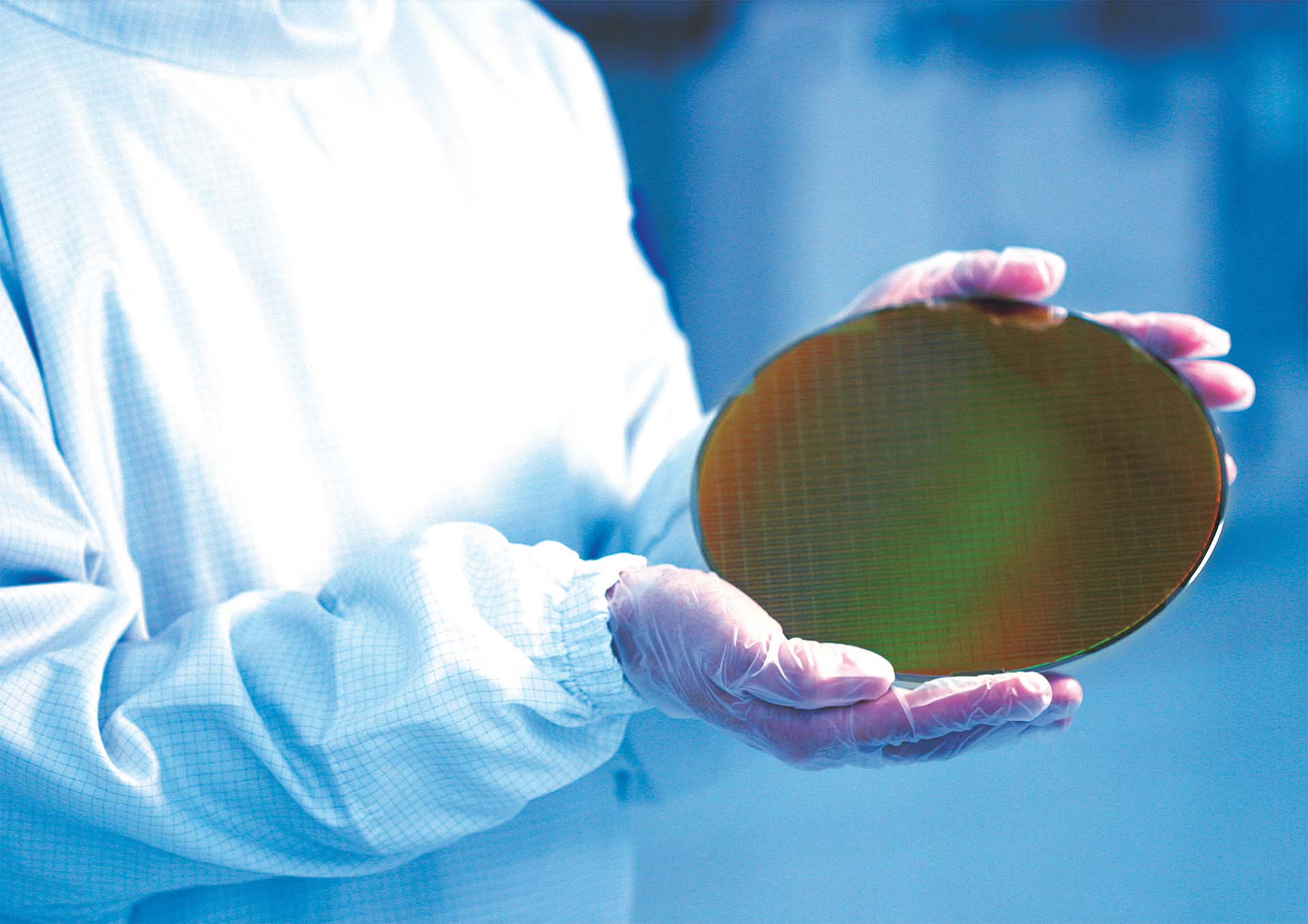
Samsung Foundry is stepping up its game to make a significant mark in the competitive semiconductor industry. The tech giant is focused on refining its 2nm process, despite current challenges, in an effort to outpace its rival, TSMC, with even more advanced nodes like the upcoming 1.4nm process.
The semiconductor market has proven challenging for Samsung, particularly with its 3nm products. Although these were expected to be groundbreaking due to the introduction of GAA technology, they have not generated the anticipated industry interest, leading to financial setbacks. Now, Samsung’s pioneering 2nm process is facing similar hurdles. Despite being technically ahead of TSMC in terms of node size, Samsung struggles with efficiency in production.
In spite of these obstacles, Samsung Foundry remains optimistic about the future. Recent reports suggest that Samsung is gearing up for mass production of 2nm chips by enhancing its facilities in Hwaseong, South Korea, with an aim to achieve a monthly output of 7,000 wafers by the first quarter of 2025. Beyond 2nm, Samsung is also setting its sights on 1.4nm technology, planning to establish production lines in its Pyeongtaek 2 plant with capabilities to produce up to 3,000 wafers.
Samsung is clearly targeting TSMC’s timeline by pushing ahead with these advances in “node shrinking.” While TSMC plans to move towards 1.4nm by 2027, Samsung is on track to outpace them by a potential two-year margin. During a recent earnings call, Samsung reiterated its commitment to its foundry division, dismissing any rumors of a potential spin-off, and signaling strong intent to stay the course.
However, the relentless drive to minimize node sizes may not be Samsung’s golden ticket to success. Current technologies, particularly those at the 3nm level and beyond, have yet to achieve consistent yield rates. This inconsistency translates into less efficient production, a stark contrast to TSMC’s highly sought-after 3nm offerings.
Samsung has a steep climb ahead if it hopes to dethrone TSMC. While reducing node size is impressive, achieving stable yield rates is pivotal for technology to gain widespread adoption. Nevertheless, Samsung remains steadfast in its ambition to challenge TSMC’s dominance. Whether Samsung will eventually triumph in this semiconductor race remains a story for the future.