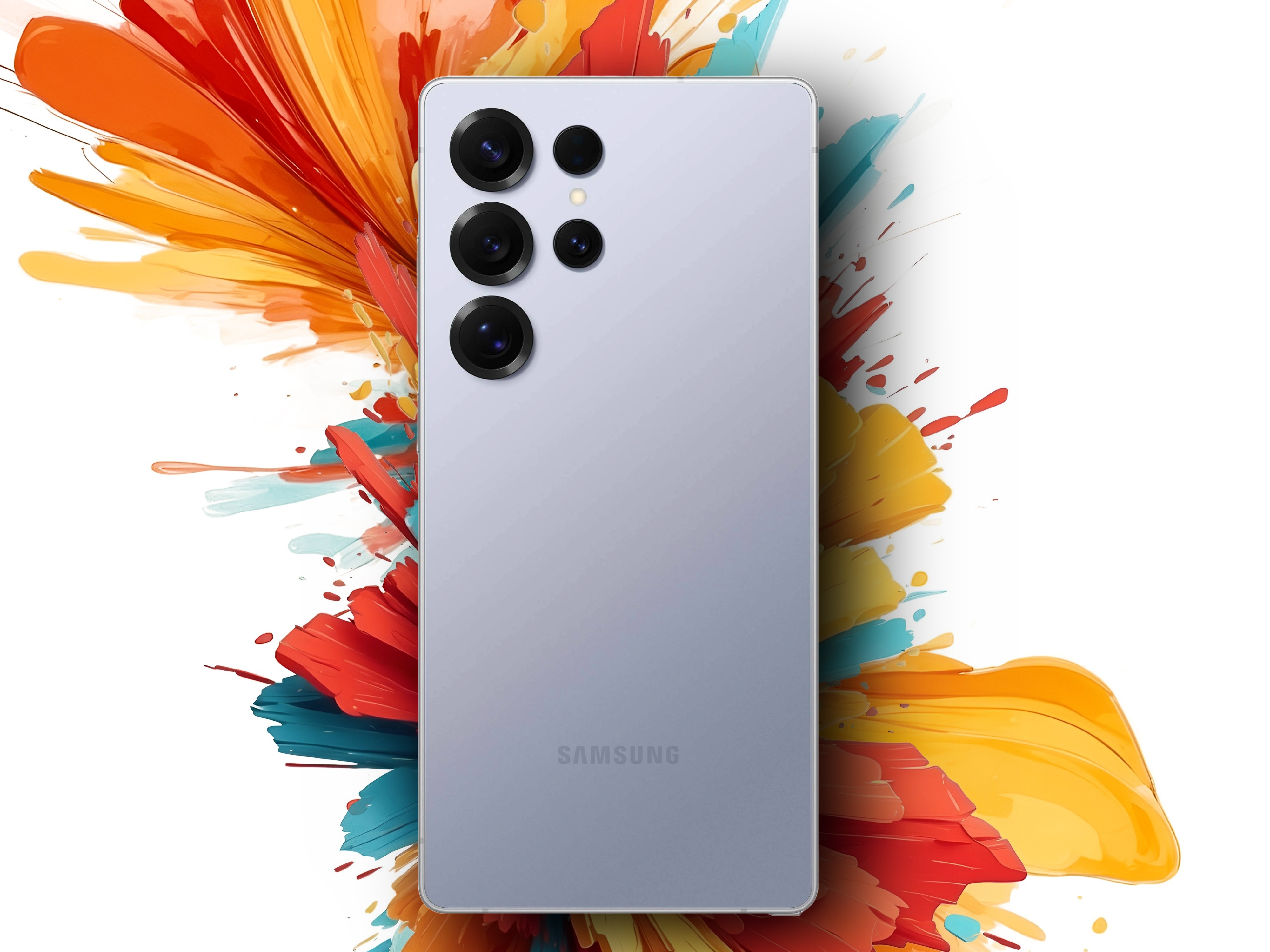
Less than two weeks after its debut, the Samsung Galaxy S26 Ultra is once again at the center of a display debate—this time over what kind of color depth its screen actually delivers.
At launch, many reports described the Galaxy S26 Ultra’s 6.9-inch Dynamic AMOLED display as a true 10-bit panel, positioning it as a clear upgrade over the Galaxy S25 Ultra’s 8-bit screen. That detail matters because 10-bit panels can show far more color gradations, which typically helps reduce banding in gradients (like skies, shadows, and subtle color transitions) and can improve the overall look of HDR content.
Now, that 10-bit claim is being walked back. Samsung has reportedly confirmed that the Galaxy S26 Ultra uses an 8-bit AMOLED display rather than a native 10-bit panel. Some observers initially suggested Samsung might be relying on software techniques such as Frame Rate Control (FRC) to simulate 10-bit-like output on 8-bit hardware. FRC can help smooth out banding and create the impression of richer color transitions, but it’s still not the same as having a real 10-bit panel.
The bigger issue isn’t that the Galaxy S26 Ultra’s display is “bad”—8-bit AMOLED can still look excellent. The frustration is that the messaging around the screen appears to have misled the media and buyers who believed they were getting a 10-bit upgrade.
This also invites an uncomfortable comparison: Apple’s iPhone 17 lineup is said to use 10-bit OLED panels, which could give it an edge in color precision and HDR presentation. It’s especially notable because Samsung is a major display supplier in the smartphone industry, which raises the question of why a top-tier Galaxy flagship wouldn’t receive the best available panel tech—particularly when competing devices may be using it.
One possible explanation is cost-cutting. Ahead of the Galaxy S26 series launch, there were widespread claims that Samsung was trying to reduce component costs to keep pricing in check. That would align with the broader theme that the Galaxy S26 series reportedly looks and feels very similar to the Galaxy S25 generation, with limited hardware changes. Even the Galaxy S26 Ultra is said to retain the same 5,000 mAh battery capacity as the previous model, leaning more on software and efficiency optimizations than major spec jumps.
Choosing an 8-bit panel over a pricier 10-bit alternative would fit that strategy. Still, for a phone carrying the “Ultra” name—and the premium expectations that come with it—fans may not be thrilled if they feel corners were cut, especially after early reports suggested a meaningful display upgrade.
Ultimately, the real-world experience will matter most. Display tuning, calibration, brightness, HDR performance, and how well Samsung handles color gradations can make a bigger difference than a spec line on paper. But regardless of how the screen looks in daily use, this situation puts Samsung under a spotlight: premium buyers want premium transparency, and repeated controversy so soon after launch risks eroding trust among loyal Galaxy customers.


