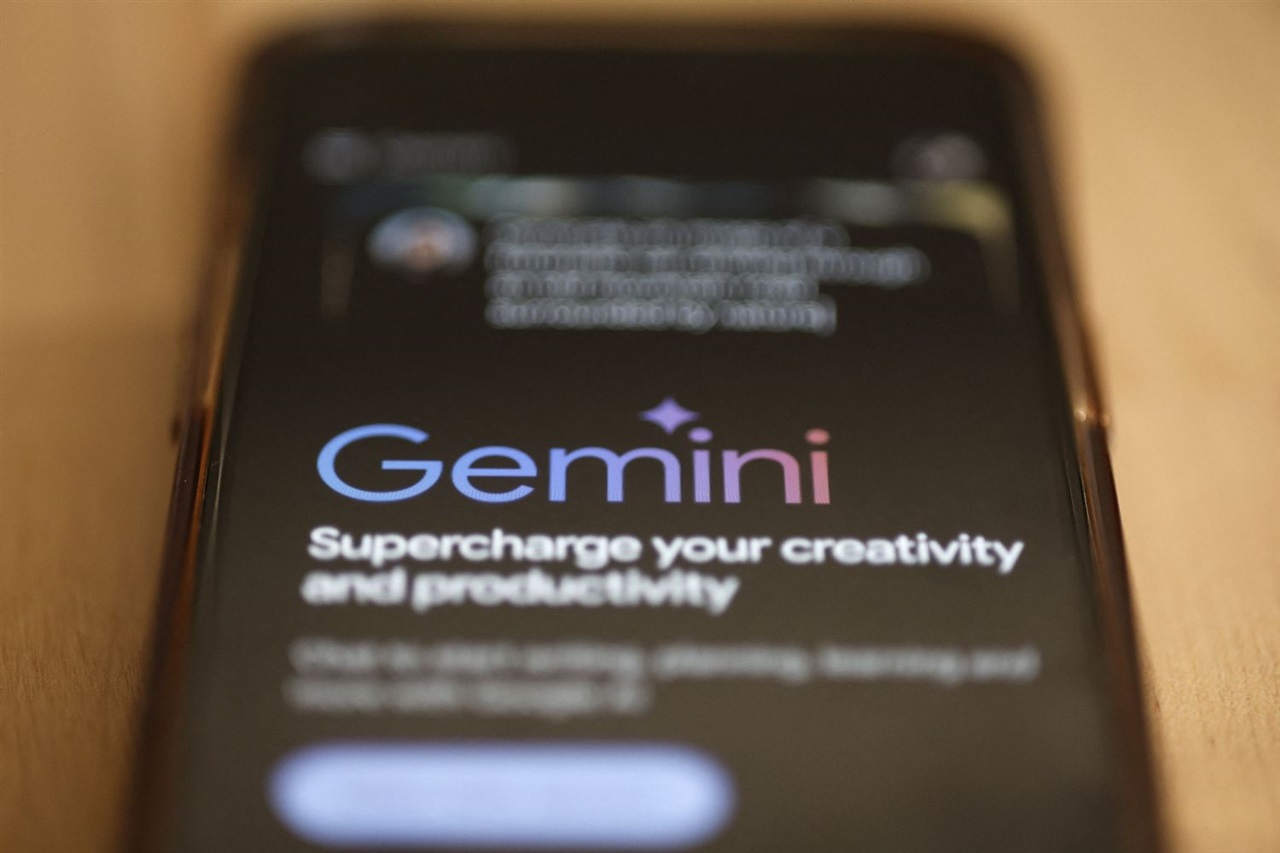
The global artificial intelligence race is no longer just about who can build the biggest large language model. The competition is quickly shifting toward something consumers and businesses can actually touch: AI built directly into devices, hardware, and everyday apps. As this next phase accelerates, Samsung is positioning itself to stay competitive by leaning on Google’s Gemini AI models, signaling how major tech brands are prioritizing practical, on-device and cloud-powered intelligence rather than model-building alone.
Across the industry, the strategy has become clear. Companies want AI features to feel native, fast, and useful—whether that means smarter photo tools, real-time voice assistance, productivity features, better search, improved battery efficiency through intelligent optimization, or enterprise workflows that reduce manual work. Instead of AI being a separate product, the goal is for it to quietly power the entire experience across phones, tablets, PCs, wearables, and other connected devices.
Samsung’s move to leverage Gemini models highlights how important partnerships and ecosystems have become in this new AI device era. Not every manufacturer will build an AI model from the ground up. Many will integrate established AI systems to speed up development timelines, broaden capabilities, and deliver features users recognize and trust. Using Gemini also helps Samsung keep pace as rivals push their own AI-powered experiences across hardware lineups and software platforms.
This broader shift also reflects a key reality of AI in 2026: the winners won’t be decided solely by benchmark scores or research announcements. They’ll be decided by how seamlessly AI works in real products, how quickly it responds, how well it protects user data, and how consistently it improves daily tasks. As AI becomes a standard expectation in premium devices—and increasingly in mid-range ones—brands are under pressure to deliver meaningful features that go beyond novelty.
For consumers, this intensifying competition could translate into faster rollouts of AI tools, more capable assistants, and deeper integration across devices. For businesses, it means stronger AI support for communication, documentation, data handling, and customer service—often without the need to overhaul existing systems. And for the industry, it confirms the next battleground: AI at the device level, where hardware optimization, software design, and ecosystem partnerships determine who leads.
With the AI device race heating up globally, Samsung’s adoption of Gemini models underscores a pivotal moment. The future of AI is increasingly defined not just by what models can do in isolation, but by how effectively they’re embedded into the products people use every day.


