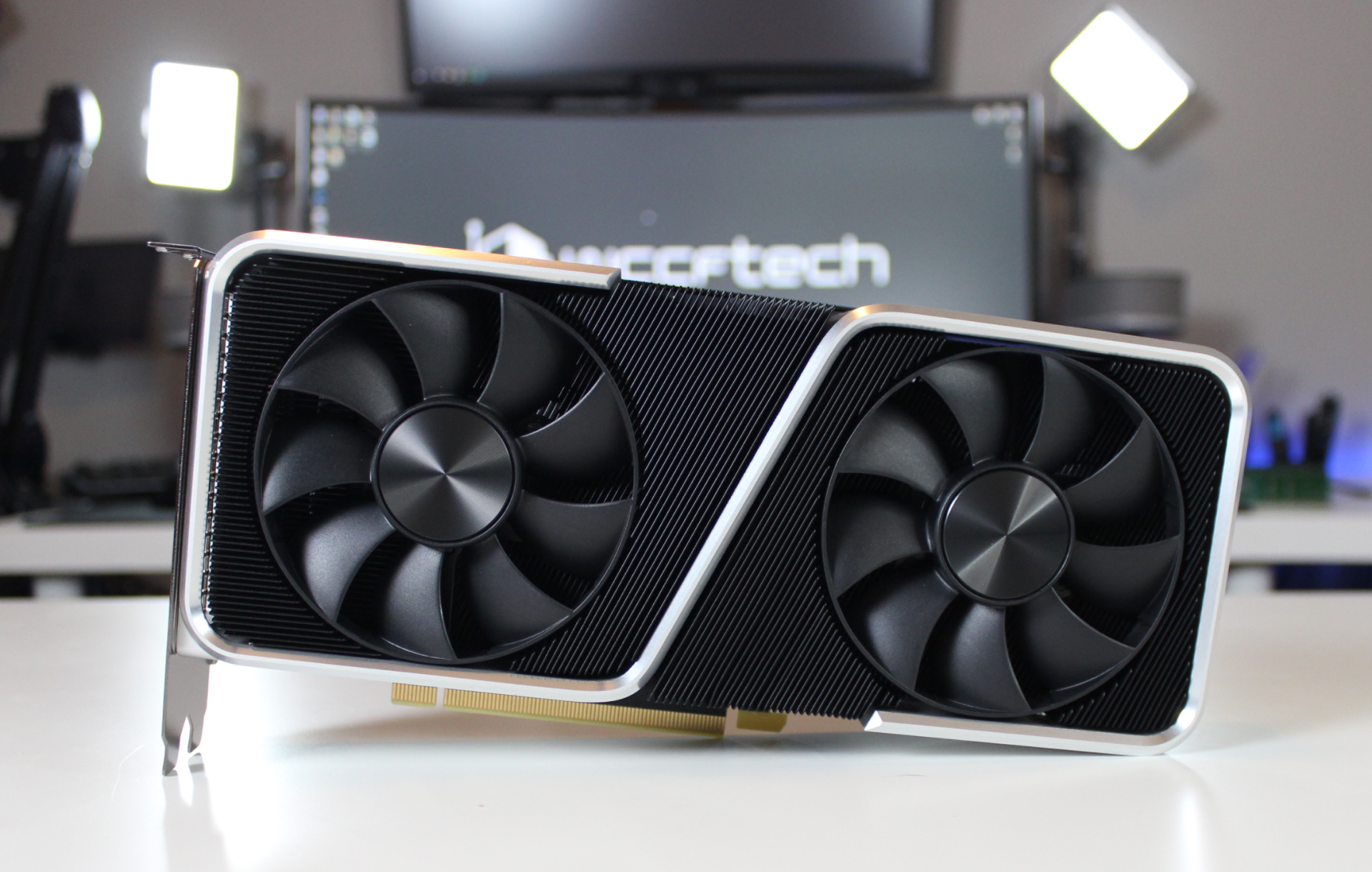
NVIDIA could be getting ready to revive one of its most popular mid-range graphics cards as ongoing memory and semiconductor constraints continue to disrupt the consumer GPU market. A new report claims Samsung Foundry is preparing to restart production tied to the GeForce RTX 3060, suggesting fresh supply of the Ampere-based card may arrive in the near future.
The graphics card market has been unusually turbulent in recent months. With DRAM shortages and intense competition for chip manufacturing capacity—largely driven by booming AI demand—hardware launch plans have shifted and retail availability for many in-demand models has continued to worsen. For NVIDIA, balancing resources between its massive AI business and its gaming-focused consumer lineup has become increasingly difficult, so turning back to proven, older GPU designs is one practical way to increase supply without committing to a full new wave of products.
The GeForce RTX 3060 is closely linked with Samsung Foundry’s 8nm manufacturing process, which played a major role during the original Ampere rollout. That existing relationship matters now, because it means restarting production isn’t the same as building an entirely new pipeline. Samsung has also been running 8nm production recently for other NVIDIA-related orders, which strengthens the idea that scaling up Ampere silicon again could be relatively straightforward. If the report is accurate, this gives NVIDIA a quicker path to putting more gaming GPUs into stores at a time when many buyers are still struggling to find reasonably priced options.
How would NVIDIA position an older card in today’s market? The likely approach is a quiet return rather than a major relaunch. Instead of treating it like a brand-new product announcement, NVIDIA could simply increase distribution and let the card reappear in retail channels. The messaging would be simple: the RTX 3060 still delivers solid 1080p and entry-level 1440p gaming performance, and pairing it with newer upscaling and performance features like DLSS improvements could help it feel more relevant to mainstream gamers who just want a reliable upgrade.
In the short term, a renewed supply of RTX 3060 cards could be a relief valve for the market. Not everyone is chasing high-end flagship performance, and an influx of widely compatible, mid-range GPUs could help stabilize availability for budget and mid-tier PC builds—especially for gamers who need a card now and don’t want to wait through uncertain launch cycles.
Adding to the intrigue, there have also been rumors pointing to a future GeForce RTX 5050 with 9GB of memory, hinting that NVIDIA’s consumer strategy may look different than expected. With AI continuing to absorb vast amounts of DRAM and manufacturing capacity, it may be less practical for NVIDIA to roll out an entirely new mainstream lineup at full scale. Reviving a well-known model like the RTX 3060 could be a cost-effective, fast way to help meet demand without overextending supply.
If Samsung Foundry does restart production as reported, PC gamers may soon see the GeForce RTX 3060 return in greater numbers—potentially making it one of the more accessible NVIDIA graphics cards during a period when “new” doesn’t always mean “available.”