NVIDIA GeForce RTX 3060 12GB Returns as DRAM Shortage Pushes GPU Prices Higher
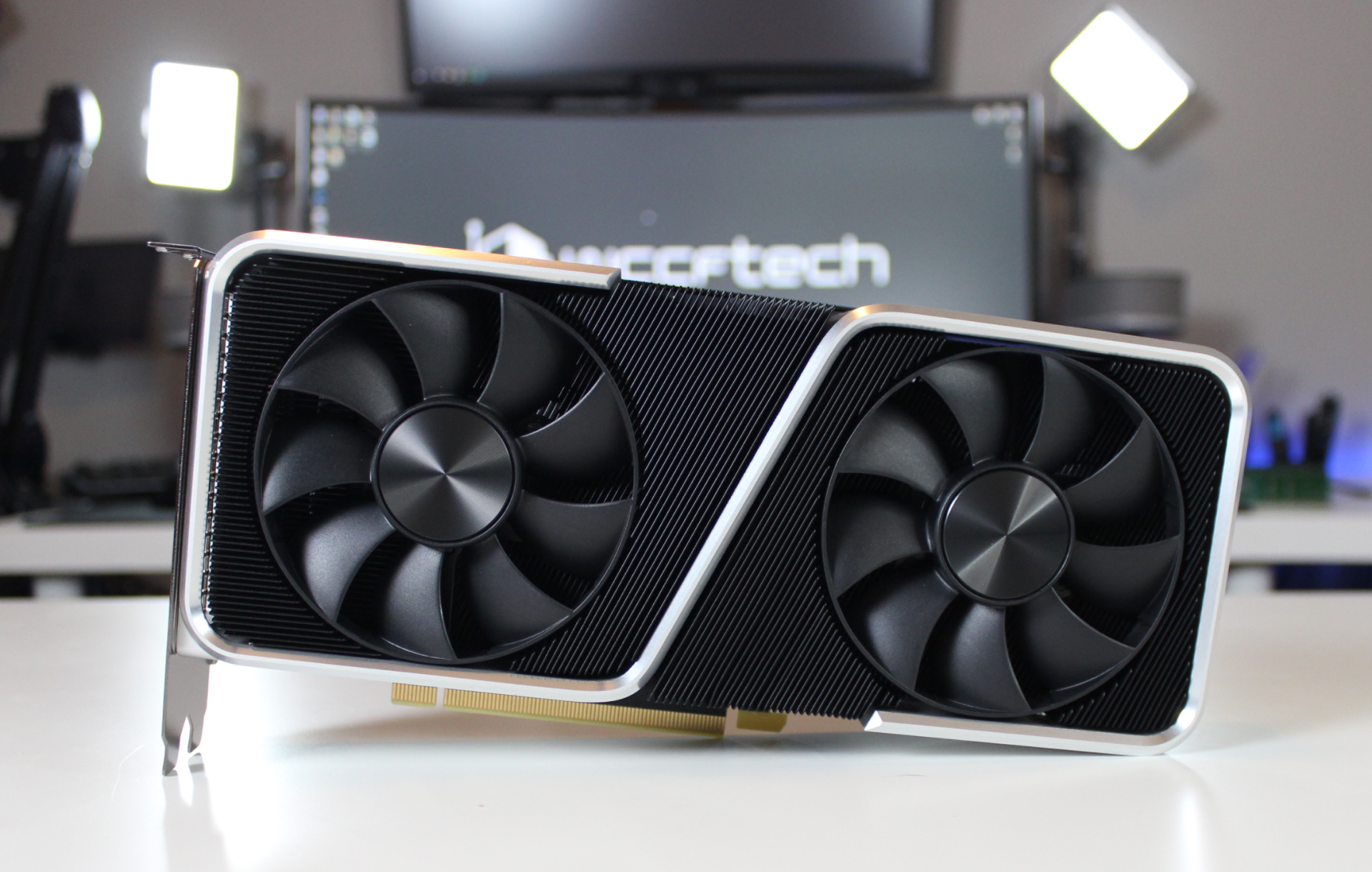
NVIDIA’s GeForce RTX 3060 12GB is back on store shelves, and its return says a lot about the current state of the graphics card market. Instead of seeing fresh momentum around newer mainstream GPUs, buyers are once again being offered a card that originally launched in 2021.
The reason is simple: memory supply is under pressure, AI demand is consuming huge portions of production capacity, and GPU makers are looking for ways to keep affordable graphics cards available without relying entirely on the latest and most expensive components.
The RTX 3060 12GB is now being restocked by retailers in the United States and Europe, with prices starting around $329 and €333. That is notable because $329 was the original launch price of the card five years ago. In a normal market, a GPU this old would be selling at a much lower price. Instead, the relaunch highlights how serious the DRAM shortage has become.
The timing is also unusual. Many PC gamers expected more information about refreshed RTX 50-series graphics cards by now, including possible “SUPER” models based on NVIDIA’s Blackwell architecture. Instead, the market is seeing the return of an older Ampere-based card because the consumer GPU segment is being squeezed from multiple directions.
AI demand is one of the biggest factors. Chipmakers are prioritizing high-margin AI hardware, while memory manufacturers are also focusing heavily on products that serve data centers and artificial intelligence workloads. This has left consumer graphics cards competing for limited DRAM supply at a time when memory prices are rising across the industry.
Modern RTX 50-series GPUs use GDDR7 memory, which delivers strong performance but also comes at a time when commodity memory prices are climbing. As a result, manufacturers and board partners appear to be prioritizing models where higher memory capacities can support better profit margins. That puts extra pressure on budget and mainstream GPU buyers, who are already dealing with inflated prices.
The RTX 3060 12GB does have one obvious advantage: video memory. With 12GB of GDDR6 VRAM on a 192-bit memory bus, it offers more memory than some newer entry-level and mid-range cards, including 8GB versions of the RTX 5060 and RTX 5060 Ti. For buyers who are worried about VRAM limits in modern games, that number may look attractive at first glance.
However, the bigger picture is more complicated. The RTX 3060 is built on NVIDIA’s older Ampere architecture, while the RTX 5060 is based on the newer Blackwell design. That means the newer card benefits from updated hardware features, improved efficiency, faster processing capabilities, newer tensor cores, a more modern display engine, and improved video encoding and decoding support.
In raw specifications, the difference is clear. The RTX 3060 12GB uses GDDR6 memory with around 360 GB/s of bandwidth, a 192-bit memory bus, a boost clock of 1777 MHz, and a 170W power rating. The RTX 5060, by comparison, uses 8GB of faster GDDR7 memory, offers around 448 GB/s of bandwidth, runs on a 128-bit memory bus, boosts much higher at around 2497 MHz, and has a lower 145W power rating.
The RTX 5060 also delivers higher floating-point performance, with roughly 19.2 TFLOPS compared to about 12.7 TFLOPS on the RTX 3060. In most modern games, that gives the newer GPU a clear performance advantage despite having less VRAM. The RTX 3060 may look stronger on paper because of its 12GB memory capacity, but in real-world gaming, architecture, clock speed, memory technology, and feature support matter just as much.
At current retail pricing, the RTX 5060 8GB is often selling around $349 to $359. That is above its expected $299 MSRP, but it is only about $20 to $40 more than the restocked RTX 3060 12GB. For many gamers, the newer RTX 5060 may still be the better buy, especially for 1080p and 1440p gaming, where its newer architecture and stronger performance can outweigh the smaller VRAM buffer.
The RTX 3060 12GB makes more sense only in specific cases. If a user needs extra VRAM for certain creative workloads, older games with heavy modding, or memory-sensitive applications, the 12GB capacity could be useful. But for typical gaming, especially at the performance level these cards target, the RTX 5060 is generally the stronger option unless prices change significantly.
The biggest issue with the RTX 3060 relaunch is its price. If the card had returned below $300, it could have been a much more compelling budget GPU. At $329, it is harder to recommend because it sits too close to newer, faster, and more efficient graphics cards.
There is also concern that the gap between old and new GPU pricing could widen further. If DRAM shortages continue, newer graphics cards may become even more expensive, pushing the RTX 5060 and other current-generation models farther above MSRP. A $20 to $40 difference today could become $50 or more if memory prices keep rising.
Unfortunately, the DRAM crisis may not end quickly. Memory manufacturers have already signed long-term supply agreements, and while many companies are investing billions into new production facilities, much of that expansion is aimed at meeting AI-related demand. That means consumer PC hardware may continue to face tight supply and elevated prices for some time.
For PC gamers, the return of the GeForce RTX 3060 12GB is both helpful and frustrating. It adds another option to the market, but it also shows how difficult the GPU landscape has become. A five-year-old graphics card returning at its original launch price is not a sign of a healthy market.
The RTX 3060 12GB remains a recognizable and capable GPU, especially for budget-conscious users who value VRAM capacity. But compared with Blackwell-based alternatives, it is clearly showing its age. Unless pricing drops below $300, buyers should carefully compare it against newer RTX 50-series cards before making a decision.
In the current market, the best graphics card choice depends not only on performance, but also on memory capacity, pricing, availability, and future software support. The RTX 3060 12GB may be back, but its comeback is less about nostalgia and more about the growing pressure that DRAM shortages and AI demand are placing on the entire PC hardware industry.