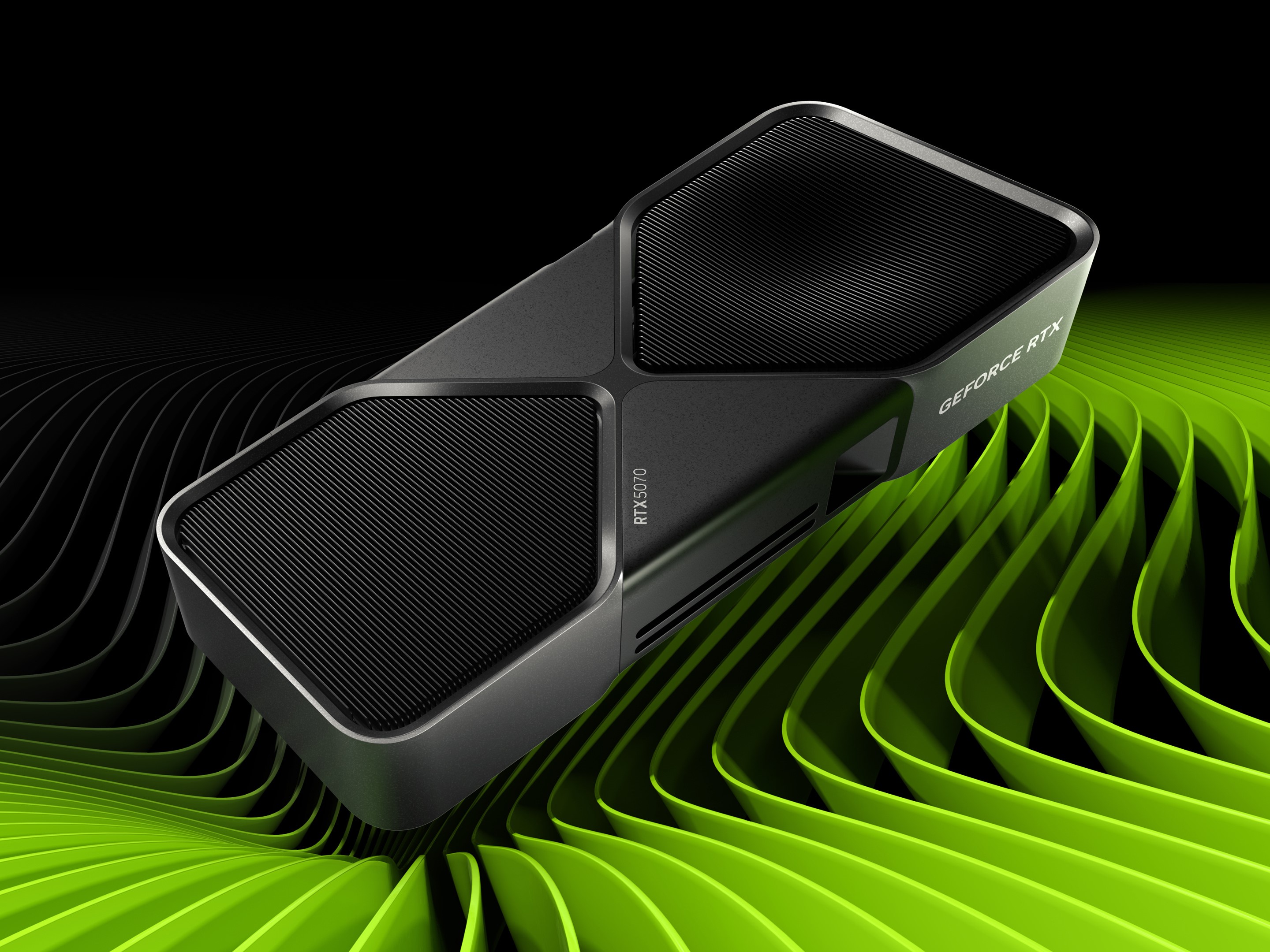
The RTX 4090 has long held the title of the most powerful consumer desktop GPU in NVIDIA’s RTX 40 lineup, with little competition from AMD, whose RX 7900 XTX targets the RTX 4080. NVIDIA is preparing to maintain its dominance with the upcoming RTX 5090, as AMD steps back from the high-end market with RDNA 4.
Excitingly, the RTX 5090 seems to have already reached the hands of reviewers, allowing us a peek into its performance through synthetic benchmarks. Early leaks suggest the RTX 5090 surpasses the RTX 4090 in both rasterization and ray tracing capabilities.
In terms of performance benchmarks, the RTX 5090 scores notably high in the 3DMark Time Spy Extreme and Speed Way tests. Specifically, it achieved a score of over 24,000 in Time Spy Extreme, compared to the RTX 4090’s range of approximately 22,800 to 23,300. This indicates a potential 5.3% performance boost for the RTX 5090 using conservative estimates.
Meanwhile, in the 3DMark Speed Way test, which emphasizes ray tracing, the RTX 5090 reportedly scored above 13,500. This score positions it 8% ahead of the best performance recorded for the RTX 4090, and if lower RTX 4090 scores are used, the performance gap could widen to 18%. These figures suggest that the RTX 5090 might deliver up to a 20% ray tracing improvement over its predecessor.
However, if the RTX 5090’s raw rasterization abilities only see a less than 10% increase over the RTX 4090, the substantial $400 price hike might come into question. The modest improvement could clarify NVIDIA’s focus on DLSS 4 during the RTX 50’s announcement.
While initial numbers are promising, it’s important to wait for comprehensive third-party reviews before drawing conclusions. Until then, approach RTX 5090 performance claims with caution.


