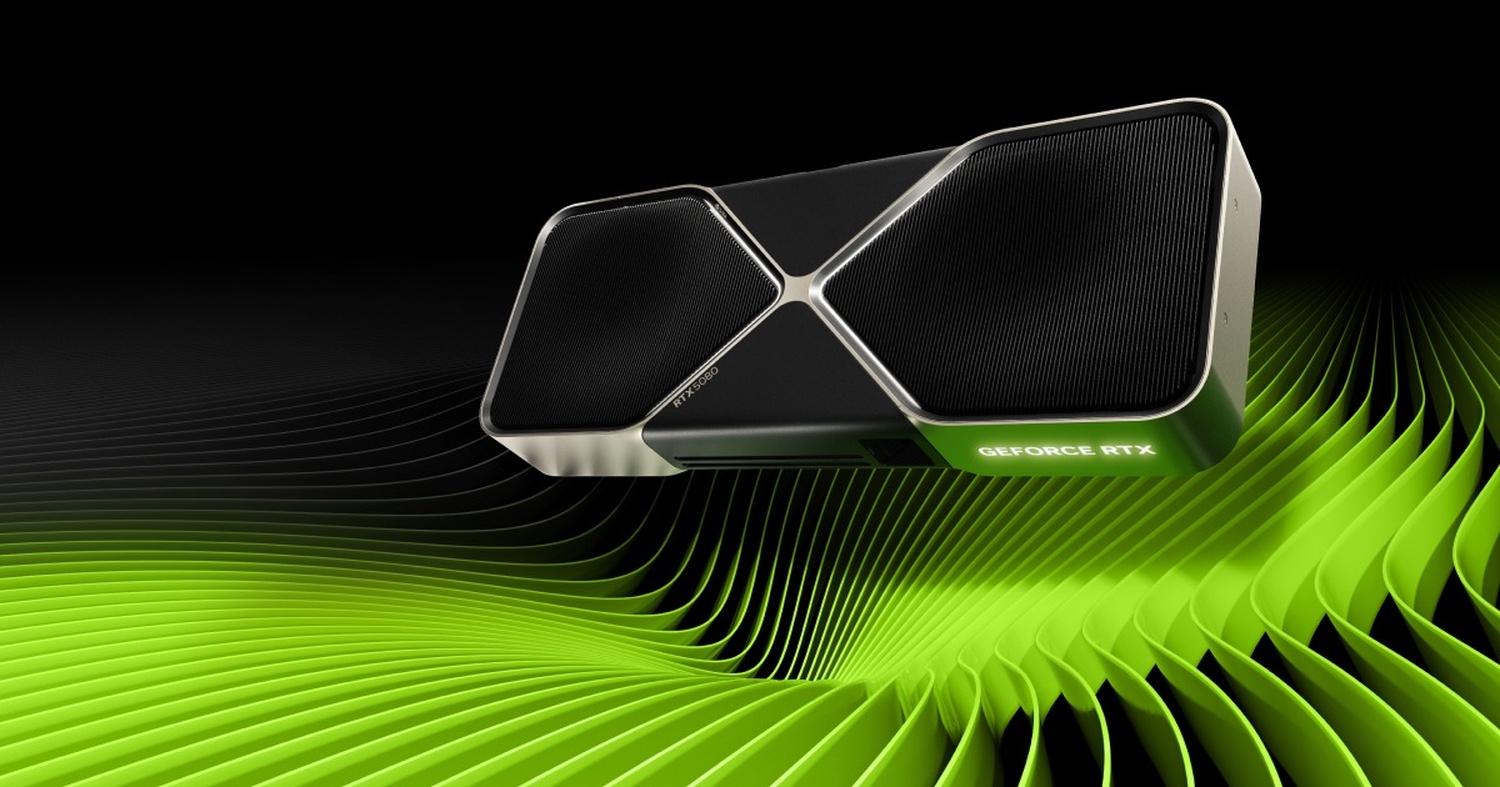
NVIDIA RTX 5080 availability worsens as some retailers move to bundles and pre-built PCs
The graphics card market is starting to feel uncomfortably familiar for PC builders. After years of dealing with inflated GPU prices, limited stock, and frustrating retailer practices, the latest pressure point appears to be the NVIDIA GeForce RTX 5080.
In some regions, buyers are no longer able to purchase the RTX 5080 as a standalone graphics card from certain retailers. Instead, the GPU is being offered only as part of hardware bundles or complete pre-built gaming PCs. One example is Taiwanese retailer Cool PC, which has reportedly shifted RTX 5080 sales into bundle deals and full system configurations rather than selling the card separately.
This move comes as GPU availability continues to tighten and pricing becomes increasingly unstable. While this kind of bundling has already been seen with other PC components, such as memory kits, SSDs, CPUs, and motherboards, graphics cards now appear to be entering the same territory.
A major factor behind the latest market pressure is the ongoing surge in demand for memory, driven heavily by the rapid expansion of AI servers and data center hardware. Major memory manufacturers are focusing more of their production capacity on high-margin AI and server demand, leaving the consumer PC market under strain. As a result, prices for memory-related components have climbed, and the ripple effect is now being felt across the wider PC hardware industry.
GPU prices are already significantly higher than earlier expectations. Current RTX 5080 models are often selling around 20% to 30% above the original Founders Edition MSRP. On large retail platforms, many RTX 5080 cards are listed above $1,200, while some custom and premium models are priced far higher. Certain high-end editions can reach $1,500 or even approach $2,000, depending on the brand, cooler design, and availability.
The worrying part is that the RTX 5080 is not even the weakest card in the current lineup. It remains one of the more desirable options thanks to its performance and 16 GB of VRAM. If a card with this level of demand and visibility is already facing supply pressure, lower-tier GPUs could become even harder to find at reasonable prices in the weeks ahead.
For PC gamers, system builders, and workstation users, this could mean a more difficult buying environment. Those hoping to upgrade may soon face fewer standalone GPU options, more forced bundles, and higher prices across multiple product categories. Bundles can sometimes be useful if the included parts are genuinely needed, but they can also push buyers into spending more than planned on components they may not want.
The current situation does not yet appear to be universal across all markets, but it could spread if supply remains tight and retailers continue searching for ways to manage demand. During previous GPU shortages, bundled sales and pre-built-only availability became common strategies to control inventory and increase overall transaction value.
If memory pricing continues to climb and AI hardware demand remains strong, the consumer GPU market may face another challenging period. For now, buyers looking for an RTX 5080 should compare prices carefully, avoid overpriced bundles unless the full package makes sense, and act quickly if they find a fair deal from a trusted retailer.
The broader takeaway is clear: GPU pricing and availability are once again becoming unpredictable, and the RTX 5080 may be an early sign of a tougher market for PC hardware upgrades.