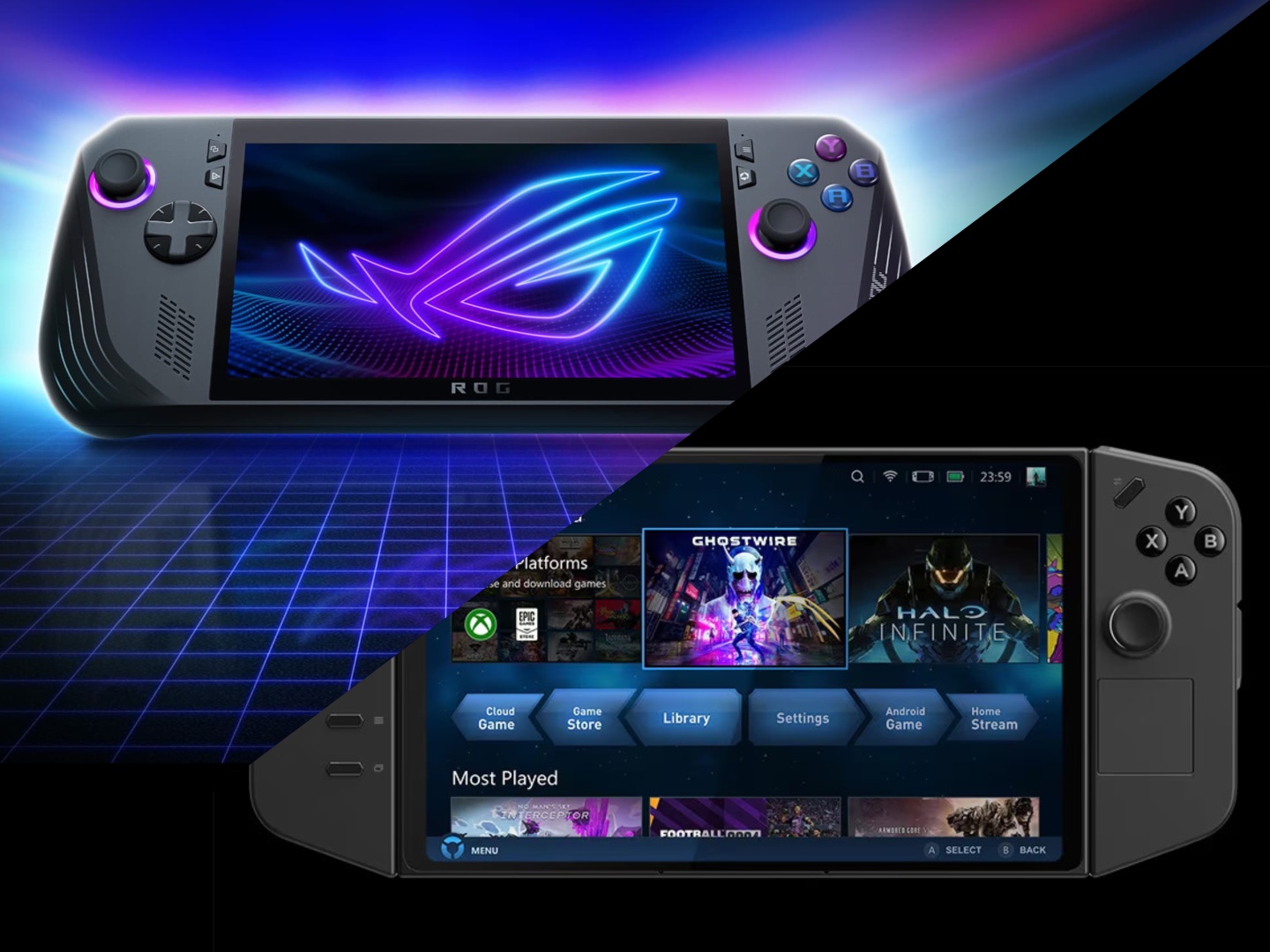
Gaming handheld PCs have exploded in popularity over the last couple of years, and it’s easy to see why. Today’s hardware is more efficient and more powerful than ever, letting companies build portable devices that feel like full-on gaming PCs you can take anywhere. But a new report suggests the fast-growing handheld gaming scene could be heading for a frustrating snag, especially for people who bought devices built around AMD’s Ryzen Z1 Extreme.
According to information highlighted in a Tom’s Hardware report that references online claims and conversations involving hardware makers, AMD may have stopped providing ongoing driver support for the Ryzen Z1 Extreme. If that’s accurate, it could affect Windows 11 handhelds such as the Asus ROG Ally, the ROG Ally X, and the Lenovo Legion Go—potentially meaning no more driver updates moving forward.
That’s a big deal because driver updates aren’t just optional extras. They’re often where performance improvements, game-specific optimizations, compatibility tweaks, and bug fixes arrive. Drivers can also help keep a handheld running smoothly as Windows 11 evolves and as new games and updates put different demands on the system. Without continued driver support, users could be left dealing with lingering issues, missed optimizations, and a greater risk of problems with future software updates.
One of the more concerning details comes from claims involving Lenovo’s community channels in Korea, where representatives were reportedly told there won’t be additional updates for the Legion Go. There’s also worry that Legion Go S models running Windows 11 could end up in the same position. However, models using SteamOS might still receive support for now, which could make operating system choice a key factor in long-term usability.
The timeline is what’s raising eyebrows. The original Asus ROG Ally launched in June 2023, with the upgraded ROG Ally X arriving in 2024. That puts the first model at roughly two and a half years old—an age many gamers would consider far too early for meaningful driver support to slow down, let alone stop. Lenovo’s Legion Go debuted in October 2023, and the Legion Go S with the Z1 Extreme arrived last year. If support really is ending, it would likely feel like a tough break for early adopters who invested in these premium handheld gaming PCs expecting years of updates.
For now, it’s important to treat this as unconfirmed. AMD, Asus, and Lenovo have not officially announced any end to Ryzen Z1 Extreme driver support or an update cutoff for the handhelds mentioned. Until there’s a clear statement, owners should keep an eye on official driver releases and device update channels to see whether updates truly slow down or stop.
If these reports do turn out to be accurate, it could influence how buyers evaluate Windows-based gaming handhelds in the future—because in portable PC gaming, long-term driver support can matter just as much as the specs on the box.