Robot vacuums have become integral to our daily cleaning regimen, effectively scrubbing floors and making our lives more convenient. However, their capabilities extend beyond cleaning, raising concerns about privacy and security. This was unmistakably highlighted by an experiment conducted in Brisbane, Australia. Sean Kelly, a resident of the city, allowed his robot vacuum, which had been quietly aiding cleaning for almost a year, to be tested for vulnerabilities by independent security expert Dennis Giese.
In a jaw-dropping demonstration, journalist Julian Fell managed to hijack the vacuum from a nearby park, despite it being stationed inside a fourth-floor office. The breach allowed access to critical functionalities including logs, WiFi credentials, and the entire network. Even more unsettling was the fact that Fell and Giese, who was based in Berlin, were able to access the vacuum’s camera and speakers remotely, sending a chilling message to Kelly: “Hello Sean…I’m waaaatching you….”
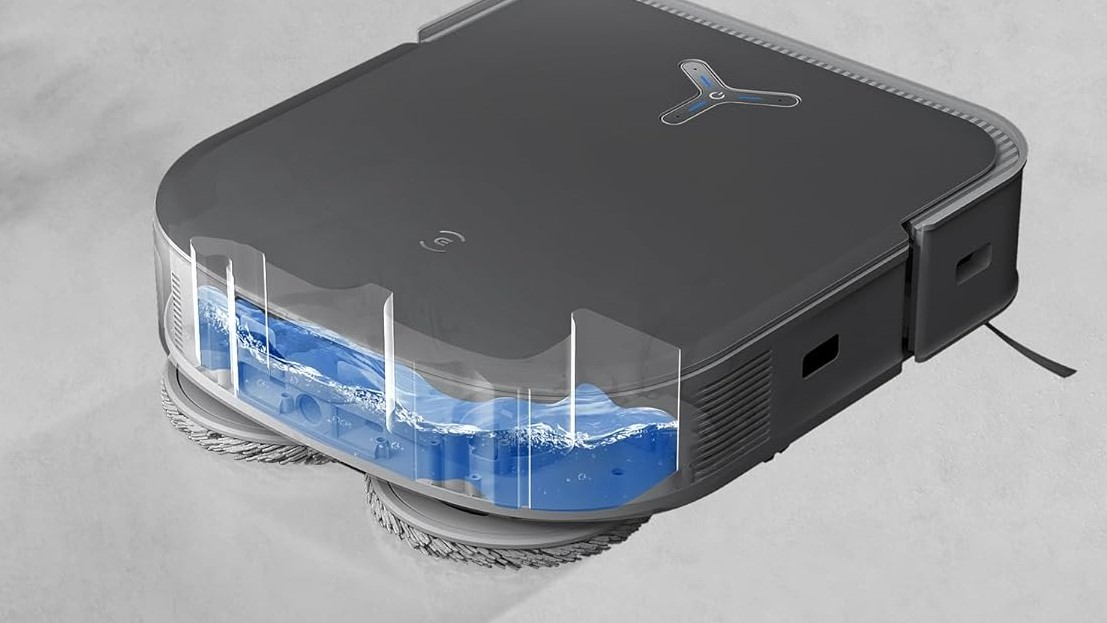
The vacuum in question, the Deebot X2 from Ecovacs, did not emit any warning when its camera was accessed, raising alarms about user privacy. Despite the serious breach, the company reassured users that hacking their devices requires specialized tools and physical access, downplaying the potential risks. However, Giese’s experiment suggests that wireless access alone was sufficient to compromise this model, currently available at $949.99 on popular platforms.
Ecovacs acknowledged the problem and promised to address the security loopholes. However, updates for this particular model are not expected until November 2024, leaving its current users in a precarious position. The revelations have sparked a conversation about the balance between innovation and security, reminding us that as technology evolves to make our lives easier, it’s crucial to ensure that these advancements don’t come at the cost of our privacy.