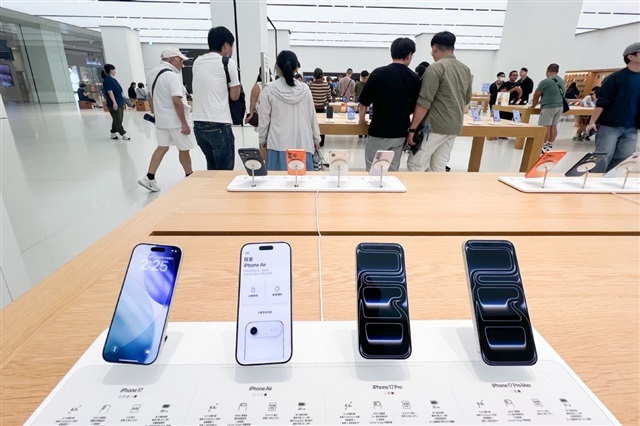
Rising costs across the smartphone supply chain are poised to reshape the global phone market in 2026. As key components become more expensive and manufacturers pass those increases on to consumers, new smartphone prices are expected to climb—making many buyers think twice before upgrading. The result could be a noticeable cooldown in worldwide smartphone shipments next year, with forecasts pointing to a decline of more than 10%.
This shift won’t necessarily mean people stop buying phones. Instead, it signals a change in where demand is headed. As brand-new devices become harder to justify for budget-conscious shoppers, the used and refurbished smartphone market is set to gain even more momentum globally. Consumers looking for better value are increasingly willing to consider pre-owned models that still deliver strong performance, solid cameras, and long software support—often at a fraction of the price of new releases.
The growing appetite for secondhand devices is already pushing companies to rethink their strategies. More brands and retailers are expected to expand trade-in programs, certified refurbished offerings, and resale channels to capture buyers who might otherwise delay purchases. Strengthening these secondhand operations also gives businesses a way to maintain sales volume, even when new-device demand softens due to higher prices.
For shoppers, the trend could mean more options and better access to reliable used devices, especially as companies work to improve testing, grading standards, warranties, and after-sales support for refurbished products. For the industry, it highlights a broader reality: when upstream component costs rise, the ripple effect is felt across the entire market—changing not only how many new phones ship, but also how and where consumers decide to spend.
If these cost pressures continue into 2026, the smartphone landscape may become increasingly defined by value-driven purchasing, longer upgrade cycles, and a booming global market for used devices.