Rising Memory Prices Could Push Premium Phones Back to Cheaper LTPS OLED Displays
Flagship phones have always carried a premium price, especially when buyers choose versions with 512 GB or 1 TB of storage. But the cost pressure inside high-end smartphones is shifting fast. According to industry research, soaring memory prices are becoming so expensive that phone makers may start cutting costs in a place many users care about every day: the display.
In early 2025, the cost of memory and the cost of a flagship phone display were roughly similar. That was already notable, because smartphone screens have been getting more advanced, with higher brightness, wider color coverage, improved efficiency, and smoother refresh-rate technology. But by the second half of 2026, memory is expected to account for around 40% of a phone’s bill of materials. That could make memory roughly six times more expensive than the display panel in some premium devices.
Because OLED production capacity has increased, display panels have become easier and cheaper to source. That makes them an obvious area for manufacturers looking to protect profit margins while dealing with expensive memory chips. As a result, some Chinese smartphone brands are reportedly switching select high-end models from LTPO OLED panels back to cheaper LTPS OLED technology.
The difference may sound technical, but it matters for real-world use.
LTPS, or Low-Temperature Polycrystalline Silicon, is an older OLED backplane technology that can drive pixels quickly and still deliver sharp, colorful screens. However, it tends to leak more current, which means the display usually needs to refresh more often. In many cases, LTPS panels cannot drop to ultra-low refresh rates, making them less efficient when showing static content.
LTPO, or Low-Temperature Polycrystalline Oxide, builds on LTPS by adding oxide transistors that reduce leakage. This allows a display to adjust its refresh rate more flexibly, often dropping as low as 1 Hz when you are reading, viewing a still image, or using an always-on display. That helps save battery life while still allowing the screen to ramp up to 120 Hz for smoother scrolling and gaming.
If a phone maker replaces LTPO with LTPS, the screen may still look impressive in everyday use. It may still be OLED, bright, colorful, and fast. But the efficiency benefits could be weaker. A 120 Hz LTPS display generally cannot scale down as smoothly based on what is on screen, which can lead to higher power consumption and potentially shorter battery life.
For buyers, this means the word “OLED” on a spec sheet may no longer tell the full story. Two phones can both advertise OLED screens, but one may use a more efficient LTPO panel while the other relies on cheaper LTPS technology. The difference could affect battery endurance, always-on display performance, and how smoothly the phone manages refresh rates throughout the day.
The display may not be the only area affected. Reports suggest manufacturers may also look at midrange phones for additional cost savings, including less powerful chipsets or downgraded camera hardware. As component prices rise, brands may have to make difficult choices about which features to preserve and which ones to trim.
A few dollars saved per phone might not sound like much, but it becomes a major amount when a device sells in the millions. For manufacturers, using a cheaper display panel can help offset expensive memory and processor costs. For consumers, however, it could mean paying flagship prices for devices that quietly step back in display technology.
This would be a notable shift for the smartphone industry. LTPO displays became common in premium phones earlier in the decade and have since been associated with better battery life and smoother adaptive refresh rates. Returning to LTPS in high-end models would feel like a step backward after years of steady display improvement.
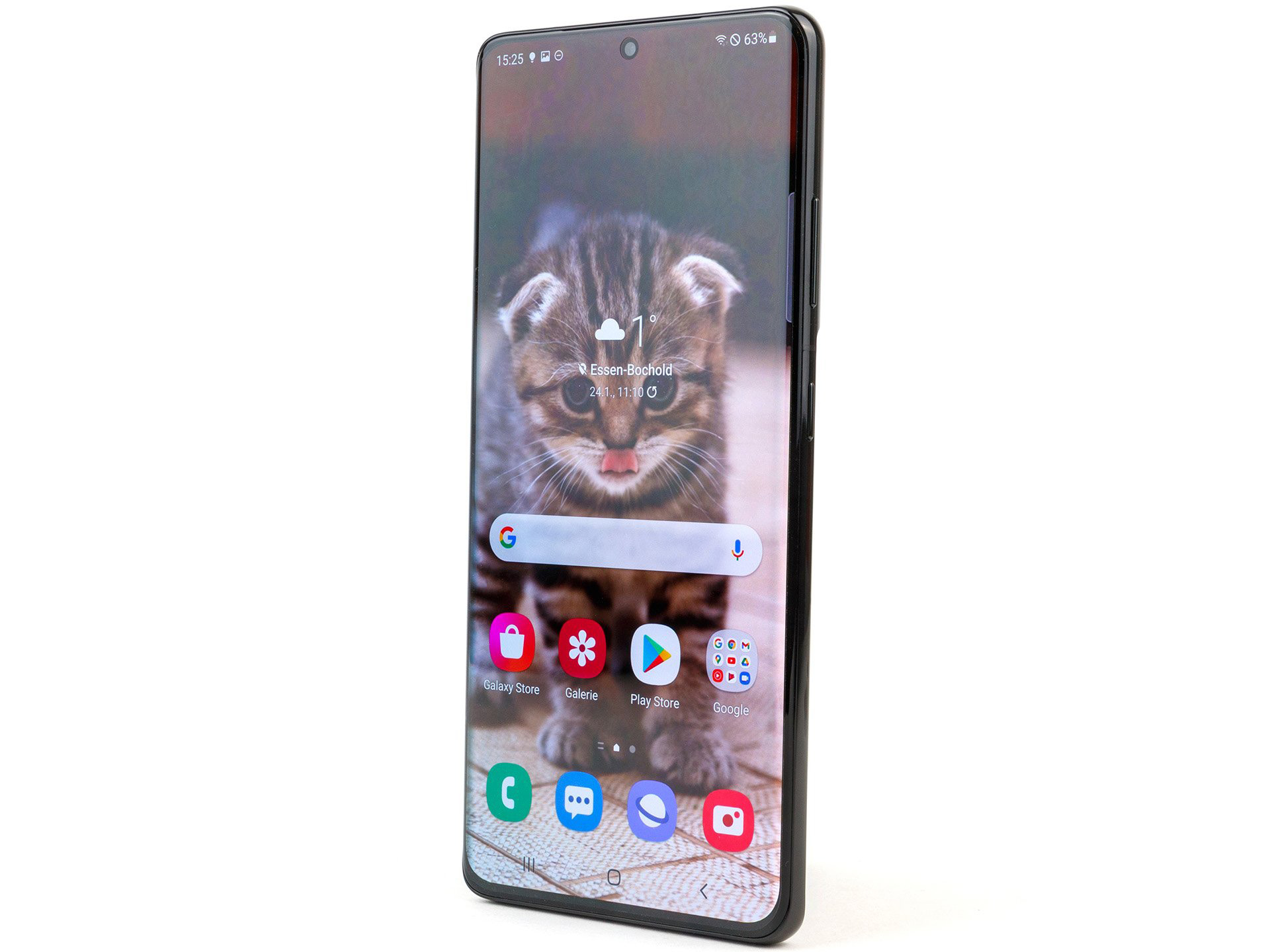
Some older flagship phones, such as models from the Galaxy S20 era, relied on LTPS panels, while more recent premium devices have increasingly moved toward LTPO screens. If brands begin reversing that progress to control costs, shoppers will need to look more closely at display specifications before buying.
The key takeaway is simple: future flagship phones may not only compete on camera quality, processor speed, or storage size. Display technology could become an important hidden difference again. As memory prices continue to rise, the best smartphone may not be the one with the flashiest spec sheet, but the one that balances performance, battery life, and component quality without quietly cutting corners.