Smartphone Memory Prices Are Surging, and Your Next Flagship Phone Could Cost More
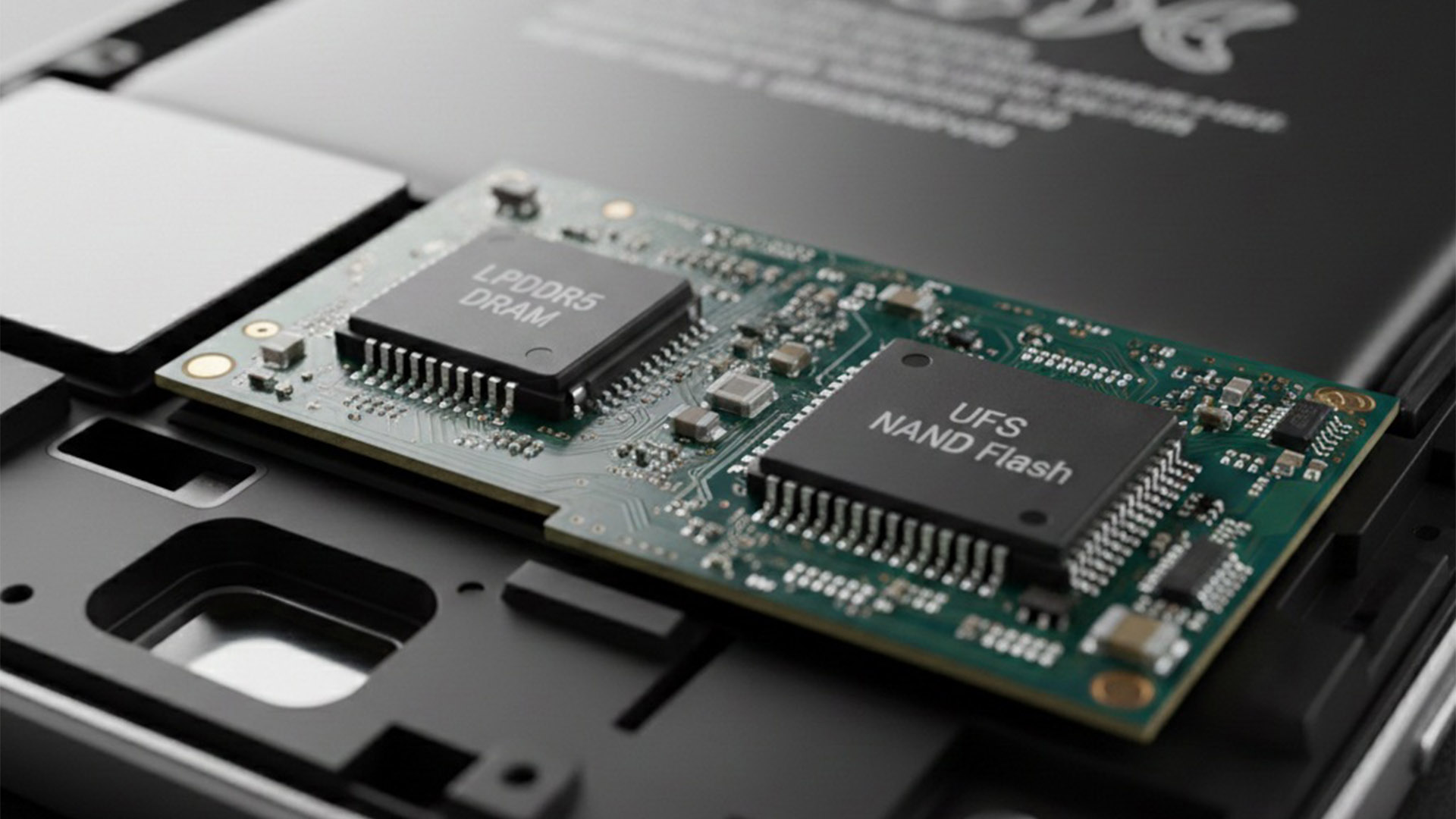
The cost of building a premium smartphone is changing fast. For years, the chipset was usually the most expensive part inside a high-end phone, especially as brands moved to advanced manufacturing processes and cutting-edge chip designs. But the rapid rise of AI has shifted the balance. Demand for DRAM and NAND flash memory has exploded, and smartphone makers are now facing a major cost problem.
According to estimates shared by tipster Digital Chat Station, the combination of 12GB RAM and 256GB storage has reportedly become around 340 percent more expensive than it was last year. That same memory and storage setup, which allegedly cost manufacturers about $70 previously, is now estimated at roughly 2,200 RMB, or about $310.
That is a dramatic jump, and it means memory and storage may now cost more than the most advanced smartphone processors.
A 12GB RAM and 256GB storage setup could now cost about $310
The biggest issue for smartphone brands is that 12GB RAM and 256GB storage is no longer considered an extreme configuration. It is now common in many premium Android phones and flagship models. If this basic high-end configuration already costs around $310, then devices with 16GB RAM, 512GB storage, or higher-capacity options could become significantly more expensive to produce.
This puts pressure on the bill of materials, which is the total component cost required to build a device. When one major part becomes much more expensive, brands have only a few options. They can raise retail prices, reduce hardware specifications, accept lower profit margins, or adjust their product lineup.
For consumers, the result could be clear: future flagship smartphones may cost more, offer less memory than expected, or reserve higher RAM and storage options for more expensive models.
Why DRAM and NAND flash prices are rising
The surge in memory and storage costs is closely tied to the AI boom. Data centers, AI servers, and high-performance computing systems require massive amounts of memory and storage. As major technology companies invest heavily in AI infrastructure, supply chains are being stretched.
Smartphones are now competing with AI hardware for the same types of components. Even though phones remain a huge market, memory suppliers may prioritize higher-margin enterprise and AI-related demand. That can reduce supply availability for smartphone brands and push prices higher.
This creates a difficult situation for phone manufacturers, especially those that rely on premium memory configurations to market their devices.
Flagship chipsets are expensive, but memory is now even costlier
High-end smartphone chips are also becoming more expensive. With companies moving toward advanced production nodes such as TSMC’s 2nm N2 and N2P processes, chipset manufacturing costs are expected to remain high. Apple’s A20 Pro is expected to be among the first major smartphone chips built on this next-generation technology.
However, according to the latest estimates, premium mobile chipsets are currently priced at around 2,000 RMB, or about $280. That makes them slightly cheaper than the reported cost of a 12GB RAM and 256GB storage package.
This is a major shift. The processor has traditionally been viewed as the core premium component in a smartphone, but memory and storage are now becoming an even bigger cost burden.
Android phone makers may feel the pressure more
Android smartphone manufacturers could be hit especially hard by rising component prices. Many of them purchase flagship chipsets from companies such as Qualcomm and MediaTek, which adds another major expense to the production process.
Unlike Apple, most Android brands do not design their own top-tier smartphone chips at scale. They must buy processors from external suppliers, while also paying sharply higher prices for DRAM and NAND flash. This combination can make it harder to maintain healthy margins without increasing phone prices.
Apple has some advantage because it designs its own chips and works with TSMC for manufacturing. That gives the company more control over its processor strategy. Still, Apple is not protected from the wider DRAM and NAND shortage. Every smartphone maker depends on memory and storage suppliers, and rising prices affect the entire industry.
Consumers may see higher prices or lower RAM options
The effects of rising memory costs may already be showing up in newer smartphone lineups. Some premium models are reportedly shipping with less RAM than expected while still carrying higher prices than previous generations.
This could become more common if memory prices remain elevated. Brands may choose 12GB RAM instead of 16GB RAM for certain premium phones, or they may keep base models at 256GB storage while charging much more for 512GB or 1TB versions.
For buyers, this means it may become more important to compare memory and storage configurations carefully before upgrading. A future flagship phone may not automatically offer better specifications at the same price as last year’s model.
Smartphone prices could remain high for years
The current memory price surge may not end quickly. Based on industry expectations shared in the report, DRAM and NAND flash prices could continue rising into 2028. The situation may not fully stabilize until around 2029.
If that timeline proves accurate, the smartphone market could be entering a multi-year period of higher prices, more expensive upgrades, and tighter hardware decisions. Premium phones may become even more costly, while mid-range devices could also be affected as manufacturers try to balance performance, storage capacity, and affordability.
The AI boom is reshaping smartphone costs
The smartphone industry is no longer being influenced only by mobile demand. AI servers, cloud infrastructure, and enterprise computing are now playing a major role in component pricing. Memory and storage, once predictable parts of smartphone production, have become some of the most volatile and expensive components in the supply chain.
For smartphone brands, this creates a tough challenge. For consumers, it could mean paying more for the same amount of RAM and storage, or spending extra to get the configuration they actually want.
The next wave of flagship smartphones may bring faster chips, better cameras, and new AI features, but those improvements could come with a higher price tag than many buyers expect.