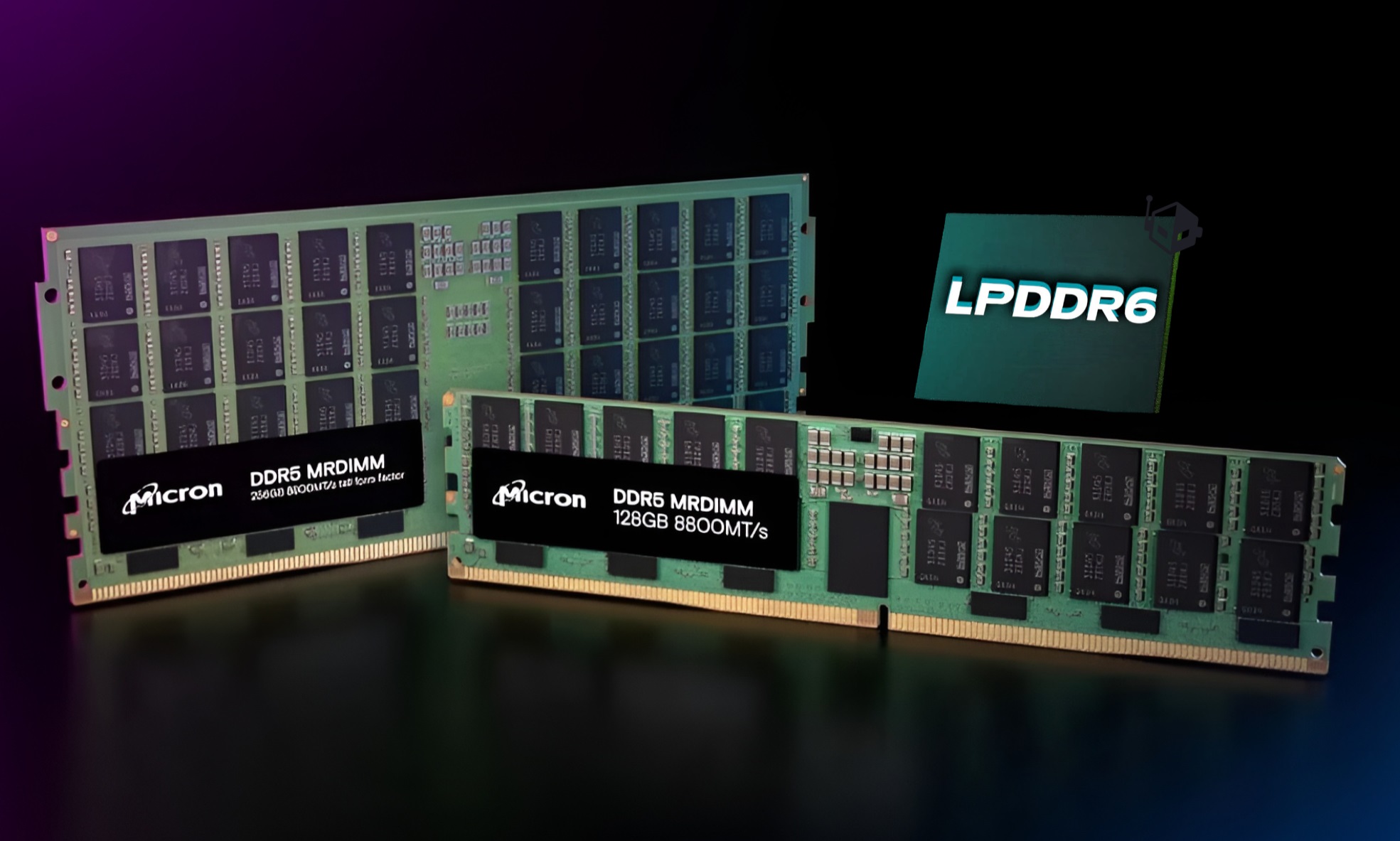
The landscape of high-performance computing is poised for a revolution with the introduction of new memory interface chips, designed to propel DDR5 MRDIMM speeds to an impressive 12800 MT/s. This marks a significant leap from the first generation, offering a boost of 4000 MT/s in speed. Reza, a pioneer in memory technology, has launched an advanced suite of chips—RRG50120, RRG51020, and RRG53220—tailored for the second generation DDR5 MRDIMMs, setting a new benchmark in memory bandwidth capabilities.
These cutting-edge chips underscore Reza’s commitment to advancing high-speed memory solutions, offering unparalleled memory bandwidth to meet the rigorous demands of AI, HPC, and data center applications. By doubling the capacity of data fed to CPUs compared to standard DDR5 DIMMs, MRDIMMs are becoming a cornerstone in achieving superior system performance.
The debut of Reza’s MRCD, MDB, and PMIC chips, alongside a sophisticated temperature sensor and SPD hub, reinforces their groundbreaking approach. The MRCD (Multichannel Refuse Close Drive) RRTG50120 chip, in particular, stands out, promising remarkable power efficiency improvements—45% less power consumption. Meanwhile, the PMIC chip RRG53220 enhances electrical protection and efficiency, and the MDB RRG51020 offers robust data handling capabilities. Production of these innovations is slated to commence in the first half of 2025.
The ever-growing demand for elevated system performance in AI and HPC continues to shape the industry. Companies are turning to Reza’s expertise and production prowess to meet these escalating needs. Reza’s dedication to pushing the envelope with their second-generation DDR5 MRDIMM solutions is evident through the words of their executive, Davin Lee, who emphasized the company’s pivotal role in driving industry evolution.
One of the exciting developments includes the potential introduction of TFF (taller form factor) MRDIMMs. These will maintain the same pinouts and width as standard modules but will allow for more memory chips, considerably increasing memory capacity. This advancement positions MRDIMMs distinctively in the current technology landscape.
Although surpassing the 12000 MT/s threshold might take some time for MRDIMMs, strides have already been made with CUDIMMs reaching this milestone on mainstream motherboards. This progression symbolizes the dawn of an era distinguished by high performance merged with low power consumption across both client and server segments.
As the horizon of computing continues to expand, Reza’s efforts promise to drive the next wave of technological advancement, delivering outstanding performance improvements and energy efficiency. Keep an eye on this space as these innovations set a new standard for the future of high-speed memory solutions.