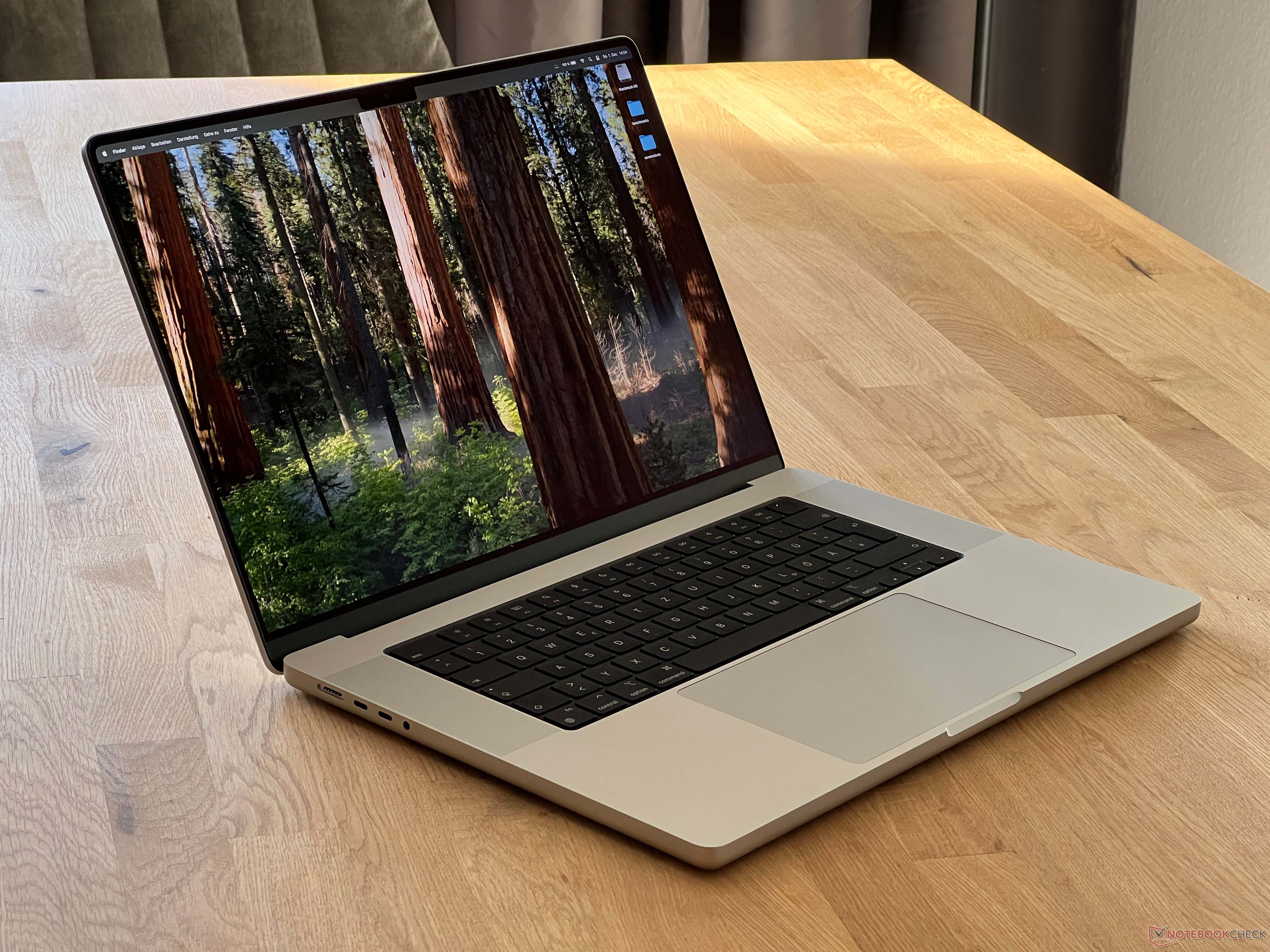
The latest MacBook Pro equipped with the M4 Max processor has taken the stage, showcasing an impressive display of power and efficiency. While the new M4 Max GPU, boasting 40 cores, may trail slightly behind in sheer performance when pitted against the older M3 Max GPU, it has nonetheless ramped up speed, making noticeable improvements.
One of the standout features of the MacBook Pro is its shared RAM advantage. Unlike standalone GPUs, it allows the M4 Max GPU access to both its designated memory and the system’s RAM, providing an edge, especially in intensive tasks. This shared approach contrasts sharply with traditional setups, such as the RTX 4090 Laptop’s 16 GB video memory, which can be a limiting factor during large-scale projects by impacting performance.
In addition to examining GPU benchmark numbers, real-world application performance was also assessed. The MacBook Pro, along with several Windows devices, was tested using PugetBench benchmarks on creative software like Adobe Photoshop, Premiere Pro, and DaVinci Resolve. With the availability of native benchmarking tools for macOS and Apple’s proprietary processors, the tests were comprehensive.
Processor prowess played a significant role in these evaluations. In Adobe Photoshop, the M4 Max outperformed the Scar 17, which is powered by the Ryzen 9 7945HX3D and the Nvidia GeForce RTX 4090 Laptop. The neck-and-neck competition continued in Adobe Premiere Pro, where the Scar 17 edged out in two of the four sub-tests, but the MacBook Pro ultimately clinched a higher overall score.
When it came to DaVinci Resolve, a tool heavily dependent on GPU capabilities (which our editorial team relies upon for YouTube review editing), the M4 Max fell short of the RTX 4090 Laptop in raw performance numbers. However, when compared to a competitor like the Razer Blade 16, equipped with a Core i9-14900HX and RTX 4090 Laptop, the M4 Max delivered a surprising 12% performance increase.
In conclusion, Apple’s new MacBook Pro with the M4 Max is not just a result of sleek design and the allure of brand prestige. It combines architecture and performance, shining in scenarios where processor and shared memory usage come into play—setting a standard for what creative professionals can expect from a laptop powerhouse.