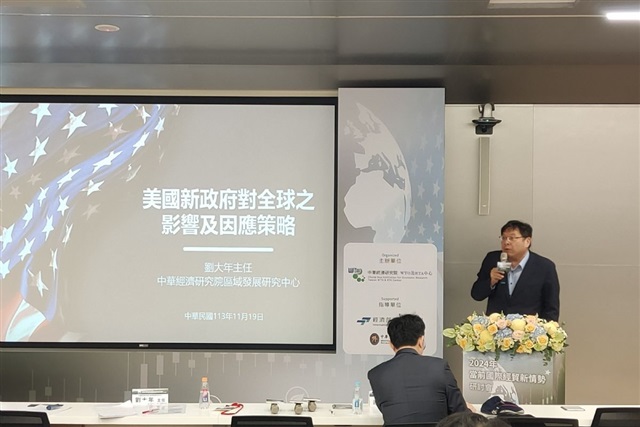
With Donald Trump’s anticipated return to the White House on January 20, 2025, there has been a surge of speculation regarding potential shifts in trade policy. One area of focus is the tariffs on foreign-made products, especially when it comes to notebooks and smartphones. Liu, a notable figure as the Director of the Regional Development Study Center at The Chung-Hua Institution for Economic Research, points out that while these tariffs have not yet been rolled out, the unpredictability surrounding Trump’s policy decisions keeps many in the industry on their toes.
Trump has a known affinity for tariffs, famously dubbing them “the most beautiful word in the dictionary.” This stance has created an atmosphere of uncertainty, particularly for Taiwanese supply chains. As a result, companies are being urged to stay vigilant and proactively develop strategies to navigate any potential policy changes. Having a well-thought-out contingency plan could prove essential in maintaining stability in the face of fluctuating trade dynamics.
This ongoing development is intriguing to watch, with the potential to impact global trade patterns significantly. Keeping a close eye on the situation could offer valuable insights into future economic landscapes and business strategies.