The tech landscape is buzzing with excitement as Intel unveils the groundbreaking Z890 chipset, taking innovation to new heights with the introduction of the LGA 1851 socket. Bid farewell to the LGA 1700 socket, which enjoyed a robust three-year run, and welcome the dawn of Intel’s 800-series chipsets. This anticipatory shift sets the stage for the Arrow Lake series and the Core Ultra 200S CPUs, promising an evolution in power and performance.
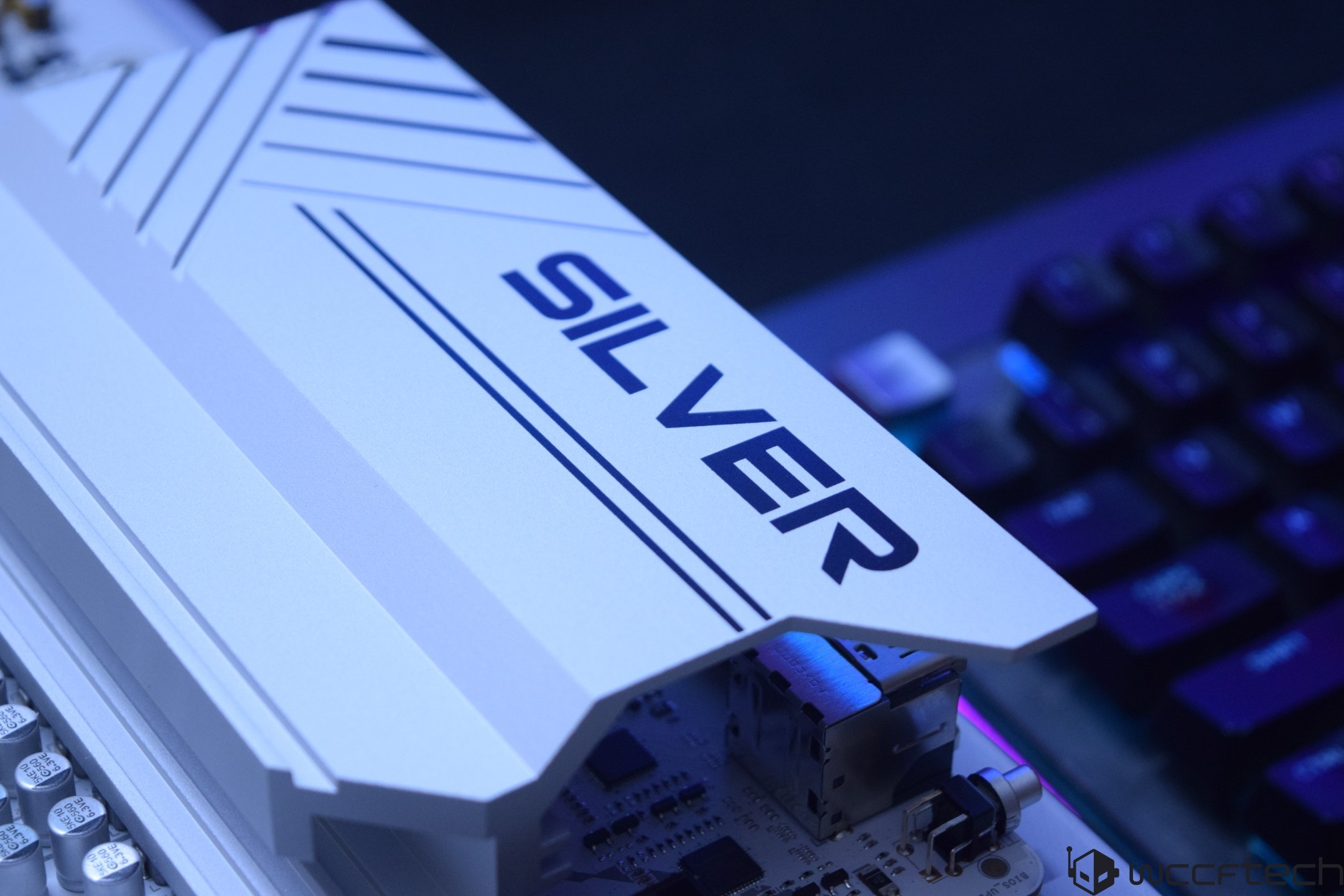
One of the standout debuts is Biostar’s Z890A Silver, a motherboard that strikes a harmonious balance between affordability and cutting-edge technology, priced at a tantalizing $219.99. This latest offering is set to cater to both tech enthusiasts and casual users, providing a versatile platform for the next generation of computing power.
The new Z890 chipset is a force to be reckoned with, boasting up to 48 PCIe lanes — including 20 PCIe Gen 5.0 lanes. This empowers users with unparalleled connectivity and speed. Furthermore, the platform is enriched with an impressive array of I/O features. Expect up to four Thunderbolt 5 ports, Intel Killer Wi-Fi 7, Bluetooth 5.4, and personalized overclocking techniques for enthusiasts eager to push their systems to the limit.
Memory capabilities on the Z890 chipset have taken a giant leap forward, offering native support for DDR5-6400, with potential speeds surging beyond 8000 MT/s when optimized using XMP. This advancement promises greater capacities and enhanced bandwidth, making it an ideal choice for heavy multitasking and demanding applications.
Overclocking aficionados will find an array of tools at their disposal, designed to extract every ounce of power from the hardware. From granular core clock adjustments and independent base clock operations to adaptive voltage management, the possibilities for customization are endless. Arrow Lake-S “Core Ultra 200S” CPUs offer a peak operating temperature ceiling of 105°C, indicating a clear emphasis on efficient thermal management and overclocking headroom.
With regard to cooling, compatibility is key. The LGA 1851 socket maintains compatibility with LGA 1700 coolers, albeit with potential adjustments via offset kits for optimal thermal management. This ensures that existing cooling solutions can be adapted efficiently, providing flexibility for current users transitioning to the new platform.
In the broader landscape of Intel’s chipset evolution, the Z890’s introduction is a clear testament to the company’s relentless drive towards innovation. It shines as a beacon in Intel’s lineup, juxtaposing previous generations with its 7nm process technology and offering a glimpse into the future of desktop computing.
The Z890 chipset, along with the revamped LGA 1851 socket, represents a pivotal shift for Intel, cementing its role at the forefront of the computer hardware industry. As enthusiasts and professionals alike gear up to harness its full potential, the tech community eagerly anticipates the impact of this cutting-edge leap forward.