Ice Universe calls out Samsung’s camera strategy, urges leadership change as petition gains momentum
A well-known industry leaker has launched a sustained public critique of Samsung’s mobile camera direction, arguing that the company’s flagship shooters are slipping behind the competition. Over the past few days on X, Ice Universe has posted side-by-side comparisons featuring the Galaxy S25 Ultra alongside rival flagships, claiming the gap in image quality and processing has grown in favor of competitors.
The campaign has escalated from posts to an open letter addressed to Samsung’s CEO, TM Roh, calling for the replacement of the company’s head of mobile photography. Judging by the replies and ongoing discussion, the critique appears to echo a broader frustration among longtime fans who feel Samsung is no longer setting the pace for smartphone photography, particularly against Chinese brands like Vivo and Xiaomi.
In the open letter, Ice Universe outlines nine reasons the company is allegedly falling behind, highlighting several key issues:
– A reluctance to innovate paired with reliance on aging camera hardware and techniques
– Insufficient attention to user feedback from power users and the wider community
– “Copying Apple” in design language and image processing choices rather than charting its own path
– Slow rollout of camera-related software updates and skipping camera patches for older models
Beyond the public letter, the leaker says they plan to repost the message daily to keep pressure on decision-makers. A petition titled “Urgent Replacement of Samsung Camera Division Head” is also circulating and has surpassed 3,000 verified signatures at the time of writing.
Why this matters for mobile photography enthusiasts is simple: competition at the high end is fierce, and camera performance is often the deciding factor for premium buyers. Consistent updates, bold hardware choices, and strong computational photography are what separate the leaders from the pack. If the criticisms are accurate, Samsung risks losing mindshare to brands that have aggressively refined optics, tuned image processing for detail and color, and pushed the boundaries of night and portrait imaging.
There’s also a strategic angle. Users today expect prompt camera fixes, feature parity across regions, and meaningful improvements from one generation to the next. When those expectations aren’t met, even small missteps can snowball into negative perception—especially when enthusiasts and reviewers amplify shortcomings across social platforms.
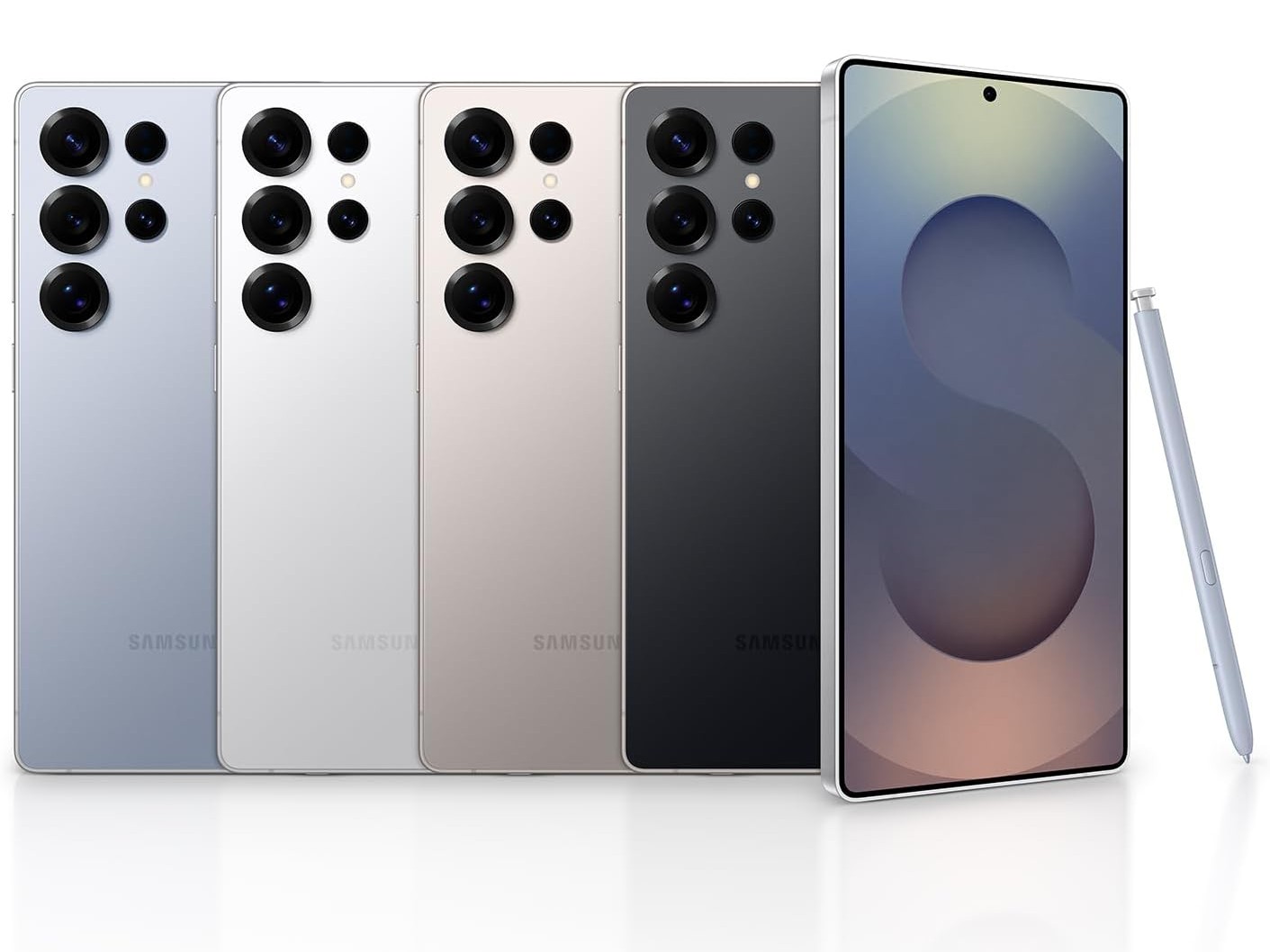
All eyes now turn to what comes next. The upcoming Galaxy S26 lineup will be closely scrutinized to see whether Samsung addresses these concerns with tangible upgrades in sensors, optics, and computational tuning. The benchmark won’t be last year’s model; it will be how convincingly the new cameras stack up against the iPhone 17 Pro, Vivo X300 Pro, and other top-tier devices.
For now, the debate underscores a growing demand from the community: clearer vision, faster iteration, and camera leadership that’s driven by innovation rather than imitation. Whether this public pressure leads to internal changes remains to be seen, but the message from vocal fans and watchers is unmistakable—deliver meaningful camera progress, and do it soon.