Qualcomm Reportedly in Early Talks With ByteDance as It Pushes Deeper Into Custom Chip Design
Qualcomm is reportedly exploring a new opportunity in China, with early discussions underway to provide custom chip-design services to ByteDance, the company behind some of the world’s most widely used digital platforms.
According to a report citing people familiar with the matter, the talks are still at an early stage. If an agreement is reached, ByteDance could become one of Qualcomm’s first major customers for its expanding chip-design services business. The move would mark another important step in Qualcomm’s effort to grow beyond its traditional role as a leading smartphone chip supplier.
For years, Qualcomm has been best known for its Snapdragon processors used in mobile devices. However, the company has been steadily moving into new areas, including AI PCs, automotive platforms, data center technologies, and now custom silicon services. A potential partnership with ByteDance would show how Qualcomm is trying to turn its chip expertise into a broader business model.
Custom chip development is becoming increasingly important across the technology sector. Major companies are looking for specialized processors that can handle artificial intelligence, video processing, cloud workloads, and large-scale data operations more efficiently than general-purpose hardware. ByteDance, with its massive digital infrastructure and heavy demand for media and AI workloads, could benefit from chips designed specifically for its needs.
Early details suggest that the custom chip effort may use technology from AlphaWave Semi, a company tied to high-speed connectivity and semiconductor IP. The project is said to include video processing units, also known as VPUs, which are designed to accelerate video-related tasks. Production could reportedly begin as early as the end of this year if plans move forward.
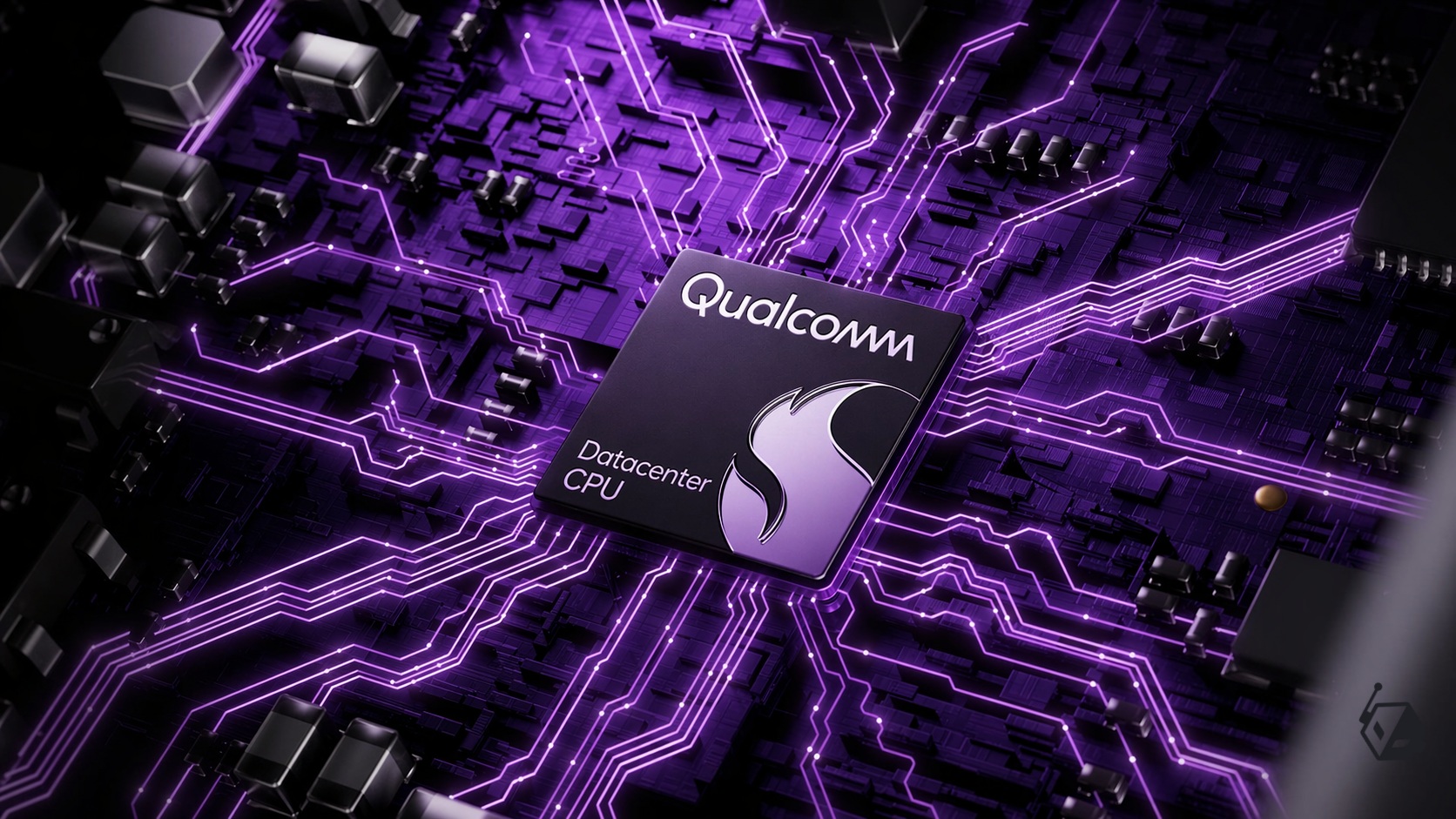
The possible ByteDance deal comes as Qualcomm continues to broaden its ambitions. The company has already made a major push into AI PCs with its Snapdragon X Elite platform, aiming to compete in laptops powered by advanced on-device AI capabilities. It has also teased future data center-focused chips, signaling that high-performance computing and AI infrastructure could become a larger part of its roadmap.
Qualcomm also recently announced plans to acquire Modular, a company focused on building a unified compute platform for artificial intelligence. Modular’s mission centers on creating a more open and hardware-independent AI ecosystem, which aligns with Qualcomm’s wider strategy of becoming a bigger player in AI software, developer tools, and advanced computing platforms.
Together, the reported ByteDance talks and the Modular acquisition point to a larger shift inside Qualcomm. The company is no longer relying solely on smartphone processors as its main growth engine. Instead, it is positioning itself as a provider of chips, platforms, and design services for a much wider range of industries.
The timing is notable as well. Qualcomm is preparing to share more details about its future strategy during its Investor Day 2026 event. Investors are expected to watch closely for updates on the company’s plans in AI, data centers, custom silicon, PCs, automotive technology, and other growth markets.
A potential agreement with ByteDance would also be significant because it would show that business discussions between U.S. and China-based technology companies are still possible, even during a period of ongoing geopolitical tension. While trade restrictions and technology controls remain a major challenge, demand for advanced computing hardware continues to grow worldwide.
For Qualcomm, custom chip design could become an important new revenue stream. The smartphone market remains highly competitive and has shown signs of slower growth in recent years. By offering design expertise to large technology companies, Qualcomm could reduce its dependence on mobile devices and tap into fast-growing demand for AI and specialized computing.
For ByteDance, working with a company like Qualcomm could help accelerate its hardware strategy without building every part of the chip-design process internally. As AI services, video platforms, recommendation engines, and cloud infrastructure become more demanding, custom processors may offer better performance and efficiency at scale.
While no final deal has been announced, the reported talks highlight a major trend in the semiconductor industry: more technology giants want chips built around their own workloads. Qualcomm appears determined to play a bigger role in that future, not just as a chipmaker for phones, but as a design partner for the next generation of AI and data-driven computing.