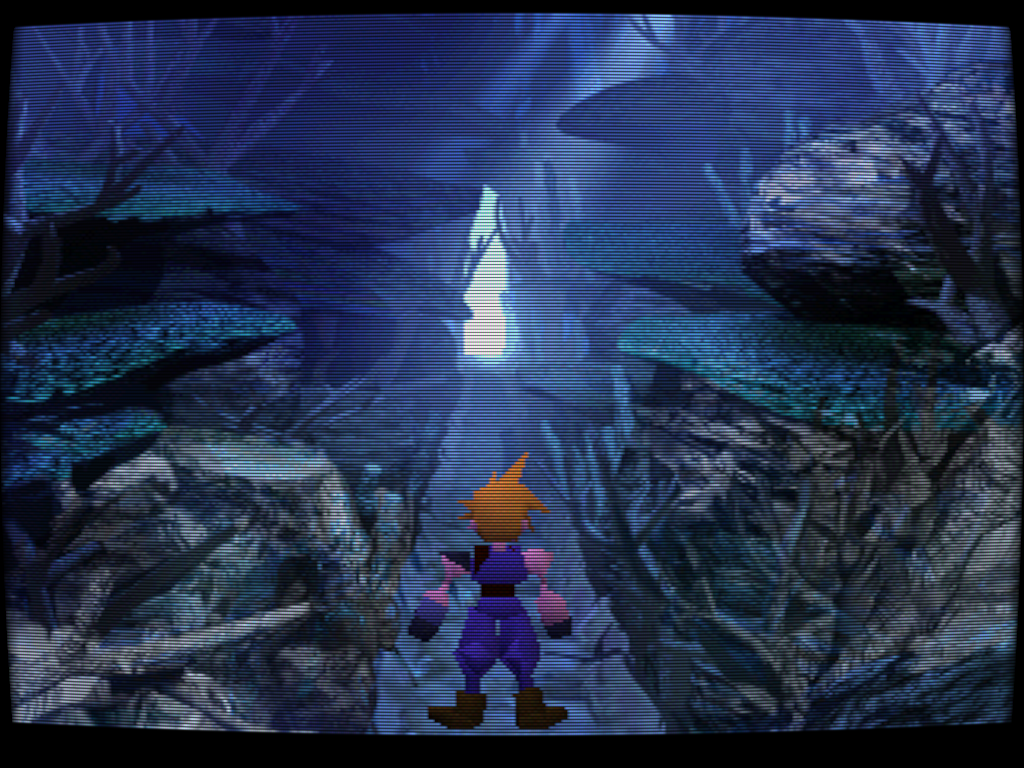
Koji Sugimoto, a veteran programmer at Square Enix and a key figure behind the beloved Final Fantasy series, recently expressed his surprise over the renewed fan love for the PlayStation 1’s iconic low-poly graphics. On August 5, 2025, Sugimoto shared his thoughts on social media in response to a Unity Japan demonstration of a groundbreaking “No Perspective” shader tool. This innovative tool enables developers to effortlessly recreate the nostalgic charm of PS1 games. Sugimoto remarked, “Back then, we spent so much futile effort trying to avoid distortion, and nowadays people call it ‘charming’.”
This isn’t Sugimoto’s first commentary on the PS1’s quirky texture warping. Back in 2019, he referred to it as “detestable,” expressing confusion about the fascination with replicating those old graphics. Sugimoto’s journey began in the gaming industry as a visual effects programmer for the 1995 SNES version of Chrono Trigger. During the PS1 era, he contributed to titles like the Chrono Trigger port, Xenogears, and Threads of Fate.
Sugimoto’s work extended to acclaimed titles such as Final Fantasy X, its sequel, and Crisis Core: Final Fantasy VII on the PSP. Throughout his career, he navigated the challenges of PS1’s hardware limitations, tackling graphical quirks that he saw as obstacles, unlike the modern fans who embrace them with nostalgia.
The PS1’s reliance on affine texture mapping posed significant challenges. This method applied images to polygons in two dimensions, overlooking depth, due to the absence of a Z-buffer—a crucial component that helps determine which surfaces should be visible. Developers had to manually dictate the drawing order of polygons, leading to the distinctive “wobbly” textures many remember.
Despite these challenges, the pixel imperfections of the PS1 era have become a beloved aesthetic. While indie developers continue to incorporate deliberate texture wobbling, Sugimoto’s perspective highlights the historical obstacles he faced—reminding us of the era’s technological constraints and the creative workarounds developers employed.


