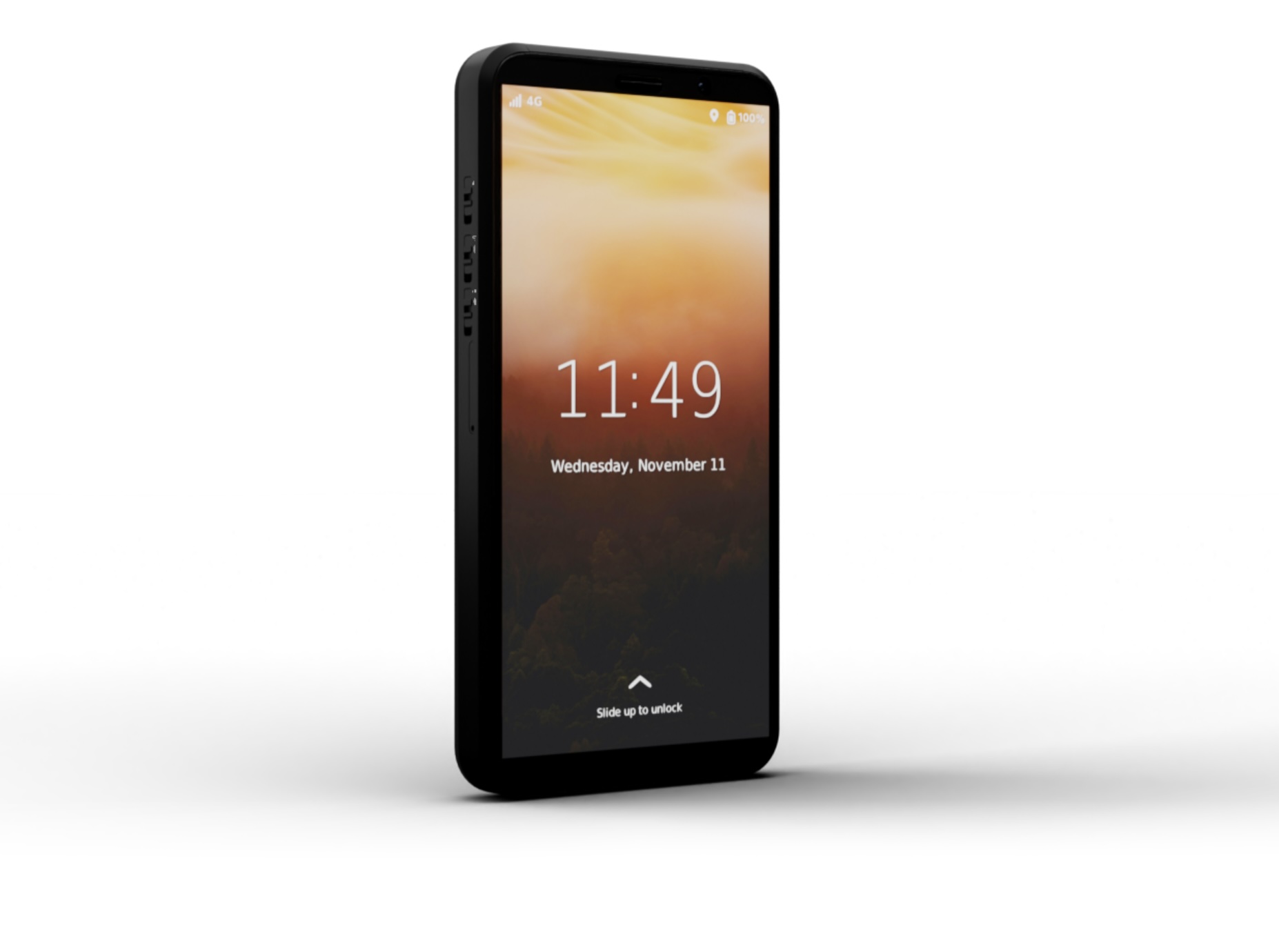
Purism Librem 5 v2 Announced With 8-Core RISC-V Chip, 8GB RAM, and Linux-Focused Privacy Features
Purism is bringing its privacy-focused smartphone back into the spotlight with the announcement of the Librem 5 v2, a major follow-up to the original Librem 5 launched in 2019. After years without a true successor, the company is preparing a new version of its open-source Linux smartphone, and this time the biggest change is inside: the move from ARM to RISC-V.
The original Librem 5 was built around a 1.5 GHz quad-core ARM processor, 3GB of RAM, and 32GB of storage. For the Librem 5 v2, Purism is taking a very different route by using the SpacemiT K1, an 8-core RISC-V processor paired with 8GB of RAM. That represents a notable upgrade in memory and a major shift in processor architecture.
RISC-V has gained attention in recent years as an open instruction set architecture, making it especially appealing for companies and users who care about transparency, customization, and open computing. Purism’s decision to use a RISC-V chip fits closely with the company’s long-running mission to build hardware that gives users more control over their devices.
That said, the Librem 5 v2 is not designed to compete directly with mainstream flagship smartphones powered by high-end Snapdragon or Dimensity chips. The SpacemiT K1 is better suited for everyday mobile computing, light apps, communication, browsing, and Linux-based workflows rather than heavy gaming or demanding multimedia tasks. For Purism’s target audience, the focus is less about benchmark records and more about privacy, repairability, and software freedom.
The Librem 5 v2 keeps the same 5.7-inch display size and 720 x 1440 resolution as the earlier model. Purism has not yet shared detailed information about screen brightness, refresh rate, or color performance. Camera hardware includes a 13MP rear camera and an 8MP front camera, which should cover basic photography and video calling needs.
One of the most distinctive parts of the Librem 5 v2 is its hardware-first approach to privacy. The phone continues to include physical kill switches, allowing users to disable certain components at the hardware level. This is a key feature for users who want stronger protection against unwanted tracking, surveillance, or background access.
The phone also includes a removable 4,500 mAh battery, a feature that has largely disappeared from modern smartphones. For users who value repairability and long-term ownership, a removable battery is a major advantage. Purism is also offering swappable Wi-Fi and Bluetooth modules, further strengthening the device’s modular and repair-friendly design.
Other features include dual SIM support, microSD card expansion, SD boot support, a 3.5 mm headphone jack, and a USB-C port. These additions make the Librem 5 v2 stand out in a market where many phones continue to remove ports and limit user-accessible hardware options.
On the software side, the Librem 5 v2 will continue running PureOS, Purism’s Linux-based operating system. This keeps the device aligned with the company’s open-source philosophy and gives users an alternative to Android and iOS. For Linux enthusiasts, developers, privacy advocates, and open hardware supporters, this could make the Librem 5 v2 one of the more interesting smartphone launches in the coming years.
Purism says the new model should run cooler, perform faster, and offer improved battery life compared with the original Librem 5. Those improvements will be important, especially since the first model was aimed at a niche audience and faced challenges common to ambitious open-source hardware projects.
The Librem 5 v2 is scheduled to begin its launch phase on November 17, with funding continuing until February 15, 2027. However, buyers will need patience. Purism expects the final product to reach customers by May 2028.
The price is also likely to be a major talking point. At $1,599, the Librem 5 v2 is significantly more expensive than many powerful mainstream smartphones. But Purism is not positioning this device as a typical consumer phone. Instead, it is aimed at people who prioritize Linux, open-source hardware, repairability, removable components, and privacy controls over conventional flagship features.
For most smartphone buyers, the Librem 5 v2 will be a very niche device. But for users who want a Linux smartphone with RISC-V hardware, physical privacy switches, modular components, and a removable battery, it could become one of the most unique mobile devices on the market.