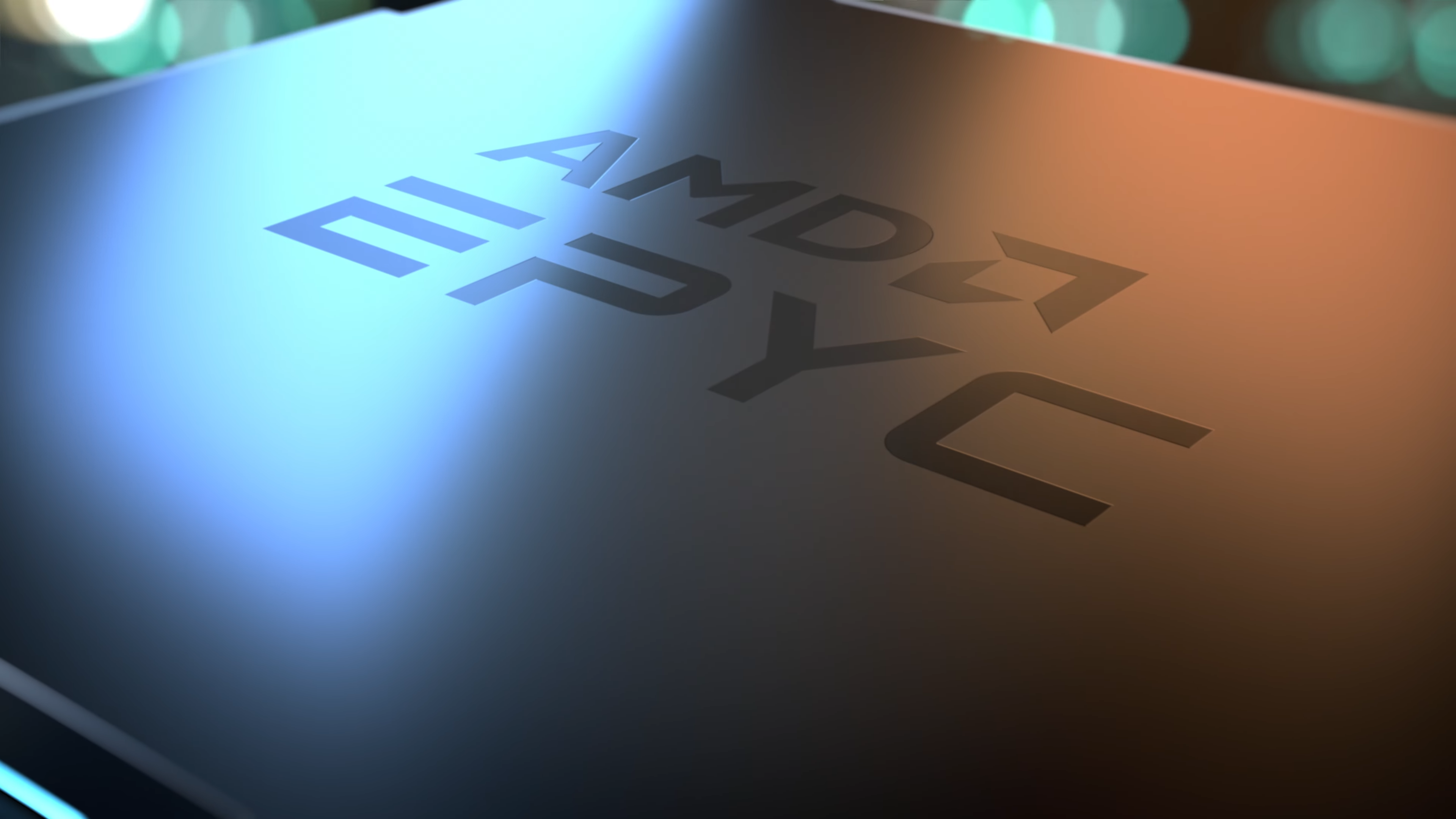
A sudden price war has broken out in the data center CPU market. Despite strong demand, top-tier current-gen server processors from both AMD and Intel are seeing steep, unexpected discounts at major retailers.
AMD EPYC 9965 falls to $8,539 while Intel Xeon 6980P holds at $6,178
– AMD’s flagship Turin-based EPYC 9965 is now listed as low as $8,539 at some retailers, with other listings around $9,712. That’s a massive cut from AMD’s announced 1kU price of $14,813 (the per-unit price for 1,000-unit orders), representing about 34% to 42% off depending on the seller. The EPYC 9965 packs a formidable 192-core/384-thread configuration.
– Intel’s current-generation Xeon 6980P, featuring 128 cores and 256 threads, is holding a deep discount at roughly $6,178, close to the record-low pricing seen last week and nearly half of its typical MSRP.
On a pure cost-per-core basis, the EPYC 9965 currently comes out ahead at roughly $44 per core, versus about $48 per core for the Xeon 6980P. For workloads where parallelism is king, that delta can add up quickly across racks.
Wider discounts across AMD’s lineup
It’s not just the flagship. Other AMD SKUs are also marked down heavily, including the 160-core/320-thread EPYC 9845 and more budget-friendly EPYC Genoa models, many of which are trending 25% to 35% below their usual pricing at multiple retailers.
Why the cuts now?
While the exact rationale isn’t public, several dynamics could be at play:
– Competitive pressure: With both vendors pushing new platforms, aggressive pricing helps defend or grow share.
– Supply ramp: Increased production and improved availability can drive price normalization sooner than expected.
– Market momentum: AMD has been steadily gaining server market share, and Intel may be countering with sharper pricing, with AMD matching to stay ahead.
What it means for buyers
– Better TCO: Lower upfront CPU costs can significantly improve total cost of ownership for scale-out deployments.
– Licensing and consolidation: Cost-per-core shifts may influence software licensing strategies and consolidation plans.
– Timing matters: These prices can move quickly with stock and regional availability. If you’re mid-refresh or planning expansions, it may be a prime window to lock in flagship silicon at unusually favorable rates.
We’ll keep tracking these market moves to see how long the current discounts last and whether they spread to more SKUs across both camps.