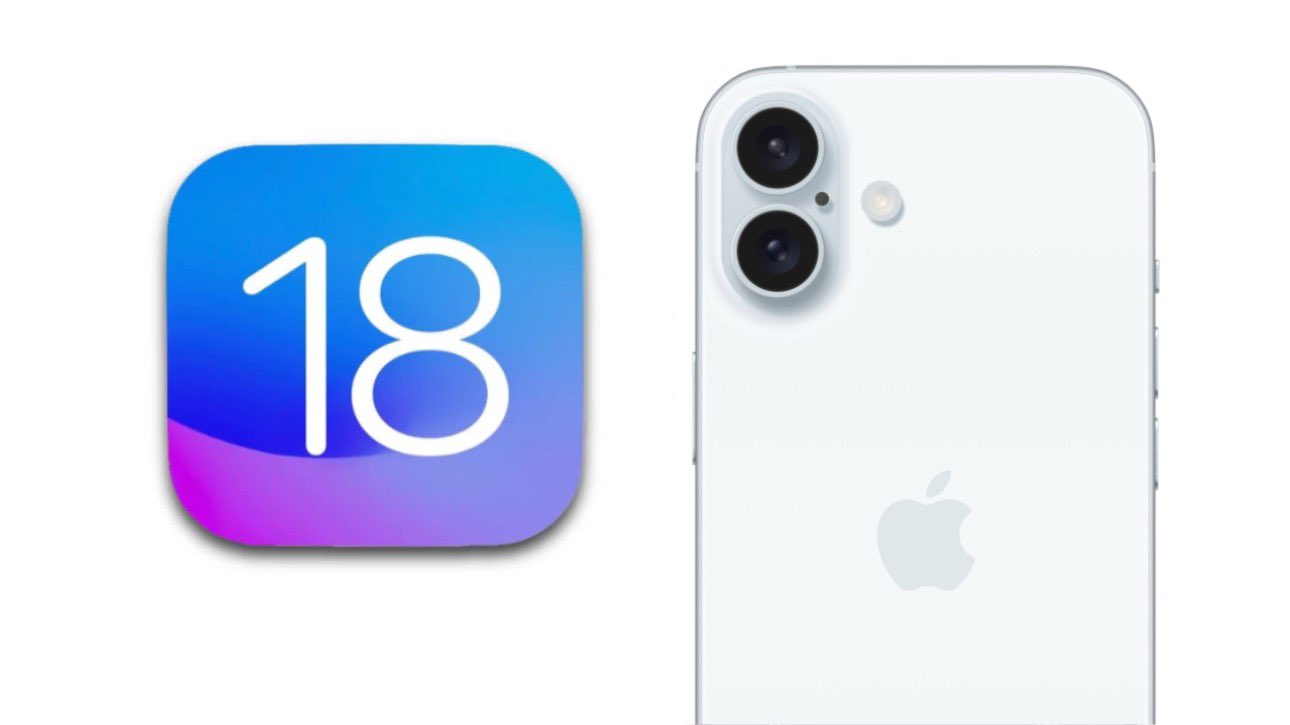
As Apple’s Worldwide Developers Conference (WWDC) 2024 approaches, anticipation builds for the tech giant’s next major leap with the introduction of iOS 18. This upcoming operating system is rumored to center around AI innovations, bringing groundbreaking features and enhancements to the iPhone. However, one of the big questions on everyone’s mind is which iPhone models will support these novel AI capabilities.
It’s been heard through the grapevine that Apple’s forthcoming AI upgrades will likely require more robust hardware to manage either on-device or cloud-based processing. This necessity for superior computing power poses a divide among iPhone models and their ability to harness the full potential of iOS 18’s AI prowess.
According to industry speculation, Apple will introduce AI features in two tiers – basic and advanced. These tiers will cater to different iPhone models, with the intention to integrate some AI functionalities directly into the system applications like Messages, Apple Music, and Notes. The more sophisticated AI tools could demand cloud-based processing, influencing capabilities related to Siri and certain photo editing features.
Rumors also suggest that the next iteration of Siri could understand and execute complex tasks through natural language processing, a feature poised to be exclusive to the higher-end iPhone models. This rumor is bolstered by the fact that the iPhone 15 Pro is equipped with the new A17 Pro chip which comes with an enhanced Neural Engine, seemingly underpinning the next generation of iPhone AI features.
The roster of iPhones that might not fully benefit from iOS 18’s sophisticated AI features includes a wide array of models, from the standard iPhone 15, traversing past generations, down to the 2nd and 3rd generation iPhone SE. While the base iOS 18 might be compatible with models that currently support iOS 17, the actual support for advanced AI features could be limited, aligning with the hardware requirements.
Additionally, there is considerable chatter around the support for iPads and Macs with respect to these AI features. It has been hinted that iPad and Mac devices will need at least an M1 chip for optimal on-device AI processing, with Intel-based Macs depending on cloud processing for certain AI operations.
It is important to note that these purported specifications, especially concerning RAM differences between standard (6GB) and ‘Pro’ models (8GB), remain speculative. Apple has yet to confirm the details and could very well announce a more inclusive AI feature rollout across both its newer and older devices.
It’s crucial to approach this information with cautious optimism as these predictions are based on preliminary reports. The tech community eagerly awaits Apple’s official announcements at WWDC 2024 to learn how the company plans to navigate the complex terrain of AI feature distribution across the breadth of its devices.