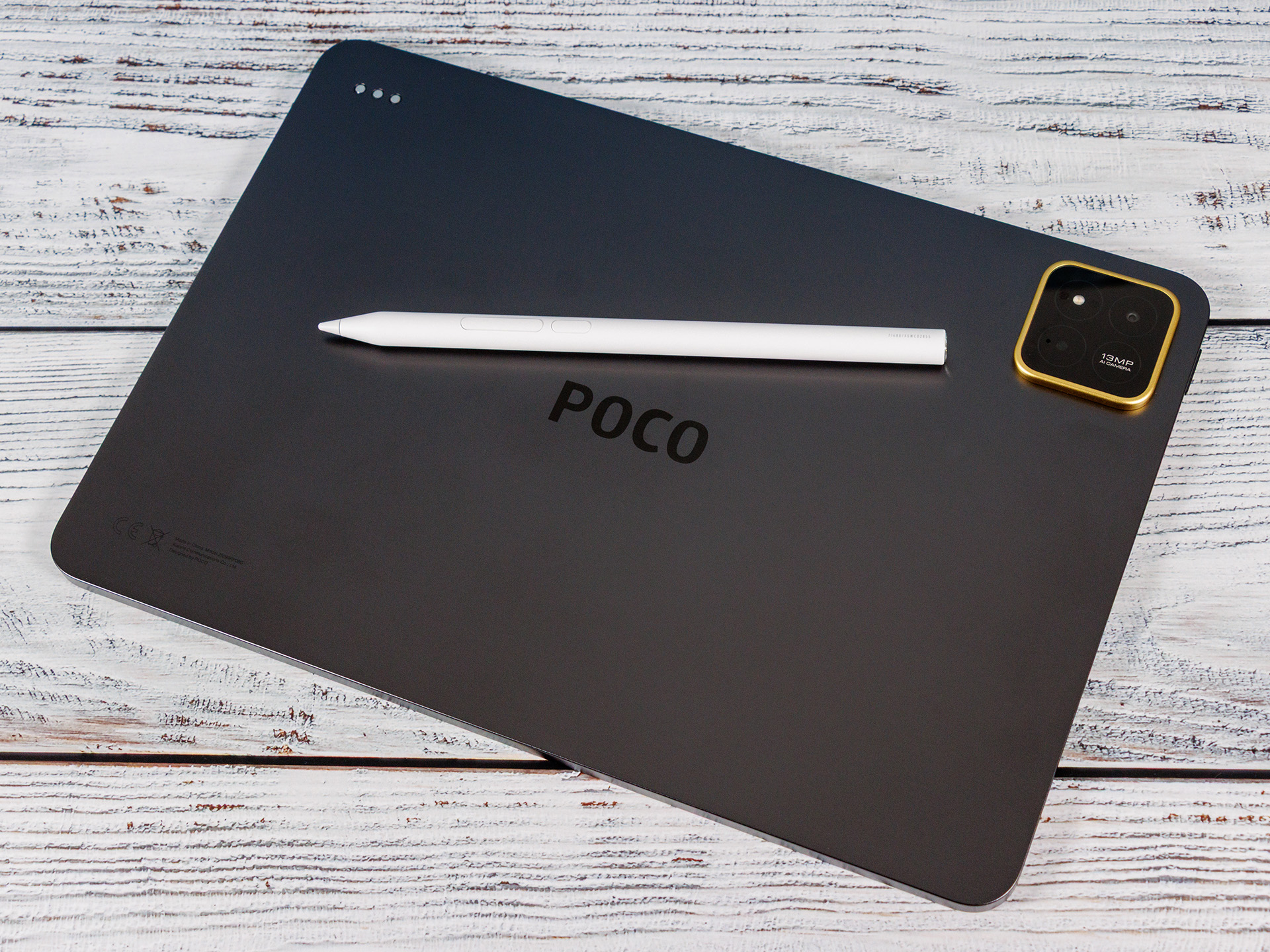
In a head-to-head matchup with the Apple iPad 11 (2025), the Poco Pad X1 makes a strong case for anyone shopping for a modern mid-range tablet built for entertainment and getting work done. Apple’s 11-inch iPad sticks to a 60 Hz screen and relatively modest brightness, while Poco takes a much more ambitious approach with a smoother 144 Hz display that also brings a higher resolution and HDR support. In real use, that faster refresh rate immediately feels more fluid, whether you’re scrolling through apps, playing games, or watching video, and the extra sharpness and HDR help content look more vivid and dynamic.
Battery life is another area where Poco aims directly at heavy users. The Poco Pad X1’s larger battery can deliver longer runtimes in everyday use, even with the high refresh rate enabled. That makes it a particularly good fit for people who treat a tablet as their main screen for streaming, long browsing sessions, or on-the-go media consumption.
When it comes to specs and features, the Poco Pad X1 also looks more generous at the entry level. You get more base storage and memory, faster UFS 4.0 storage for snappier app loads, and a wider connectivity package that includes NFC and an infrared blaster—extras that simply aren’t part of the baseline iPad experience. For buyers who don’t want to pay extra just to reach a comfortable amount of storage, that stronger starting configuration is a practical advantage.
For productivity and creative work, Poco’s accessory ecosystem is also compelling. If you take notes often, sketch, or do a lot of typing, the Pad X1 supports pen and keyboard accessories that are typically priced below Apple’s comparable add-ons. More importantly, it’s not just about saving money: the Poco Pad X1’s fully laminated display and responsive pen support can make writing and drawing feel more natural and direct, which is exactly what students, professionals, and frequent note-takers care about.
Performance is one category where Apple still tends to lead on paper. The iPad’s A16 chip usually posts stronger synthetic benchmark numbers. But for the way most people actually use a tablet—streaming, web browsing, casual gaming, reading, email, note-taking, and multitasking—the Poco Pad X1’s Snapdragon platform is more than capable, and it pairs especially well with the 144 Hz screen and the roomier memory configuration.
The real decision comes down to what matters most to you. If you’re deeply invested in iPadOS features, prefer Touch ID, or rely on the Apple ecosystem, the iPad 11 (2025) will still make a lot of sense. But if your goal is a versatile, modern tablet with a smoother display, stronger base specs, broader connectivity, and accessories that can be easier on the budget, the Poco Pad X1 looks like the more well-rounded option for media, gaming, and productive everyday work.