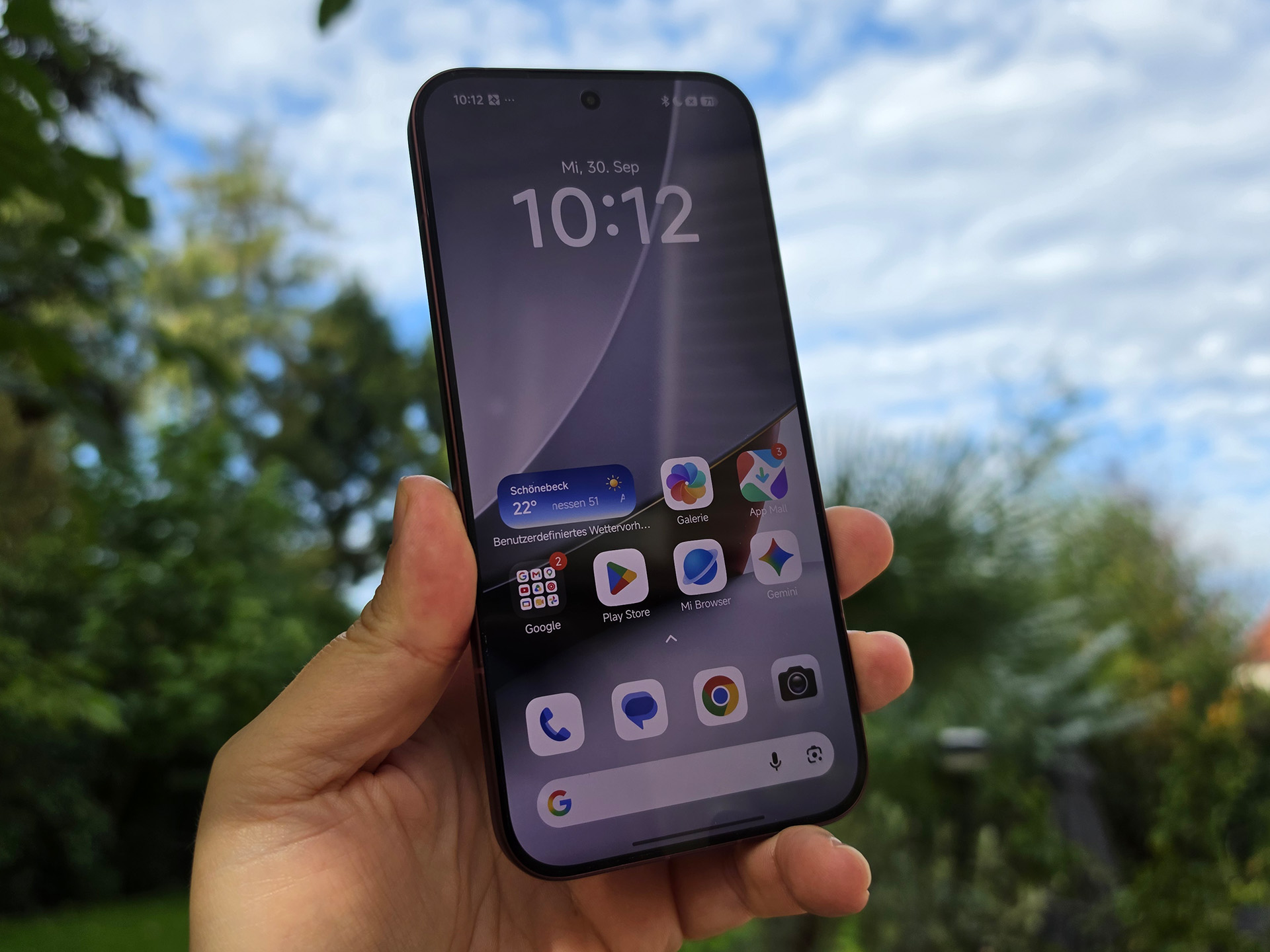
Poco F9 Ultra display test: Why 10,000 nits does not mean a huge real-world upgrade
The Poco F9 Ultra arrives with a headline-grabbing OLED display rating of 10,000 cd/m² peak brightness, a number that immediately sounds like a major leap forward. On paper, it is an impressive specification. In real-world use, however, peak brightness figures do not always translate into a noticeably brighter or more readable smartphone screen.
The key detail is how that 10,000 cd/m² figure is achieved. The Poco F9 Ultra can only approach this extreme brightness level when displaying HDR content, and even then, only on a very small area of the screen. This kind of brightness is useful for short, intense HDR highlights, such as sunlight reflections, glowing effects, or bright sparks in supported videos. It is not the level of brightness users will see across the whole display during normal daily use.
In testing, the measurement equipment reached its limit at 8,500 cd/m², showing that the panel does have enormous brightness reserves for tiny HDR highlights. But for everyday tasks such as browsing, messaging, gaming, watching standard videos, or scrolling through social media, this five-digit brightness rating is not the most important number.
A more realistic way to judge display brightness is through an APL18 test, where a white area is measured while surrounded by different gray tones. This better reflects the way smartphone screens are actually used, since most content is a mix of bright and dark elements rather than one tiny white HDR spot.
Under these more practical conditions, the Poco F9 Ultra reaches 2,435 cd/m². That is still a very strong result and makes the phone easy to use outdoors, including under direct sunlight. The OLED panel remains bright, sharp, and highly readable in challenging lighting conditions.
However, the result is not a clear improvement over the Poco F8 Ultra. In typical content, the new display does not deliver a meaningful brightness advantage compared with its predecessor. That means users upgrading purely because of the advertised 10,000 cd/m² brightness rating may not notice a major difference in everyday visibility.
Manual brightness is also much lower, topping out at around 850 cd/m². This is normal for modern smartphones, as the highest brightness levels are usually reserved for automatic brightness mode and specific lighting conditions.
The takeaway is simple: the Poco F9 Ultra has an excellent OLED display, but the 10,000 cd/m² figure should be understood as a peak HDR highlight measurement rather than a full-screen brightness upgrade. It helps make supported HDR scenes look more dramatic, but it does not transform the phone’s outdoor readability compared with the previous generation.
For users who value display quality, the Poco F9 Ultra still delivers a premium visual experience with strong brightness, vivid contrast, and good sunlight visibility. But anyone expecting a dramatic leap over the Poco F8 Ultra based only on the five-digit peak brightness claim may find the real-world difference smaller than expected.