Pixi Brings AI-Powered AR Characters to iMessage, Turning Texts Into Interactive Experiences
Stickers, GIFs, and emoji reactions have long been the quick way to add personality to a chat. Pixi wants to take that idea much further with interactive augmented reality characters that can move, react, and play inside a recipient’s real-world surroundings.
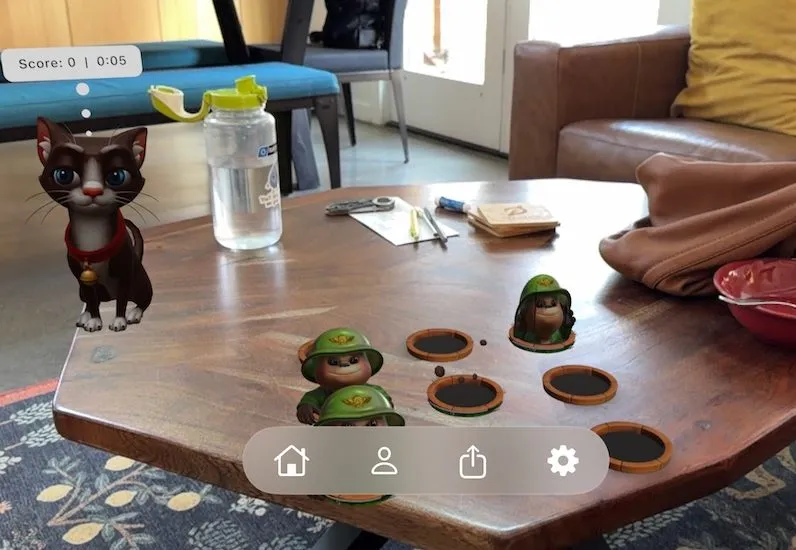
The startup has launched its messaging-focused app on the App Store, giving iPhone users a new way to send AI-powered AR characters through iMessage. Rather than arriving as a flat image or short animation, Pixi characters appear through the recipient’s iPhone camera and come to life in their environment.
These virtual characters can respond to people, objects, movement, voices, and even certain real-time cues around them. The result is a message that feels less like a simple digital sticker and more like a mini interactive performance.
Augmented reality itself is not new. AR filters, lenses, and camera effects have been popular for years across social platforms. Pixi’s pitch is that its characters are more context-aware because they combine AR with on-device artificial intelligence. For example, a virtual cat could react differently if it detects a real dog walking nearby.
The company says visual and audio processing happens on the device, a design choice intended to protect user privacy while still allowing the characters to understand and respond to their surroundings.
Pixi was founded by Mark Drummond, whose background includes work at DreamWorks Animation and Apple. His goal is to make digital conversations feel more present, expressive, and spontaneous. Instead of sending a basic “Happy Birthday” text, a user could send an animated character that performs, reacts, or creates a playful shared moment.
The idea is to make messaging feel more like creative gifting. A Pixi message is meant to act like a small token of affection, but built for the smartphone era rather than traditional cards or static e-cards.
During a demo, Drummond showed a virtual cat character performing a short comedy routine on a desk. The character appeared to respond to facial expressions, ending the interaction when it detected a smile. That kind of real-time response is central to Pixi’s vision: characters that do not just appear on screen, but feel aware of the person receiving them.
At launch, Pixi users can try several characters, including a robot, a cat, and an animated envelope. The envelope character can react to voice input and playfully chase friends if they move away. The app also includes interactive games such as tic-tac-toe and whack-a-mole, giving users more than just character-based messages to send.
Pixi’s long-term plan is much bigger than a small collection of launch characters. The company wants to build a marketplace where studios, brands, and independent creators can offer their own AR personalities. That could open the door for movie characters, product mascots, event-based experiences, and limited-time promotional characters.
For example, a brand launching a new product could let fans send an interactive character tied to the campaign. A film studio could release characters around a movie premiere, letting users share them directly in conversations. Pixi believes this could turn everyday users into storytellers and brand ambassadors by giving them fun tools to share with friends.
Drummond has also discussed using public-domain characters, such as Alice from Alice in Wonderland, as examples of how recognizable personalities could behave in context. In Pixi’s vision, a character like Alice would not simply stand on a desk; she would react to the objects around her in a way that fits her personality and story world.
Looking ahead, Pixi also wants users to create their own AI-powered AR characters. The company plans to introduce generative AI tools that could let someone describe the kind of character they want, including its look, personality, and behavior. A user might create something silly, such as a blue blob that growls, teases a friend, and chases them across the phone screen.
Using Pixi is designed to be simple. iPhone users can download the app, open iMessage, tap the plus button in the lower-left corner, and choose a character to send. Recipients do not need to install the app to view a Pixi message, which could help the experience spread more easily through everyday conversations.
For now, Pixi is available on iPhone 11 and newer models. The company plans to expand to Android devices in the future, along with support for other messaging platforms such as WhatsApp and Instagram.
The app is currently free for users. In the future, brands and creators may be able to charge for premium characters, though Pixi expects many will choose to offer characters for free to encourage sharing and fan engagement.
Pixi is entering a crowded digital communication space, but its approach stands out by combining messaging, augmented reality, and artificial intelligence into one experience. If users embrace the idea, the next big step in texting may not be another emoji or sticker pack. It may be a tiny AI character that shows up in your room, reacts to your world, and turns a simple message into something memorable.