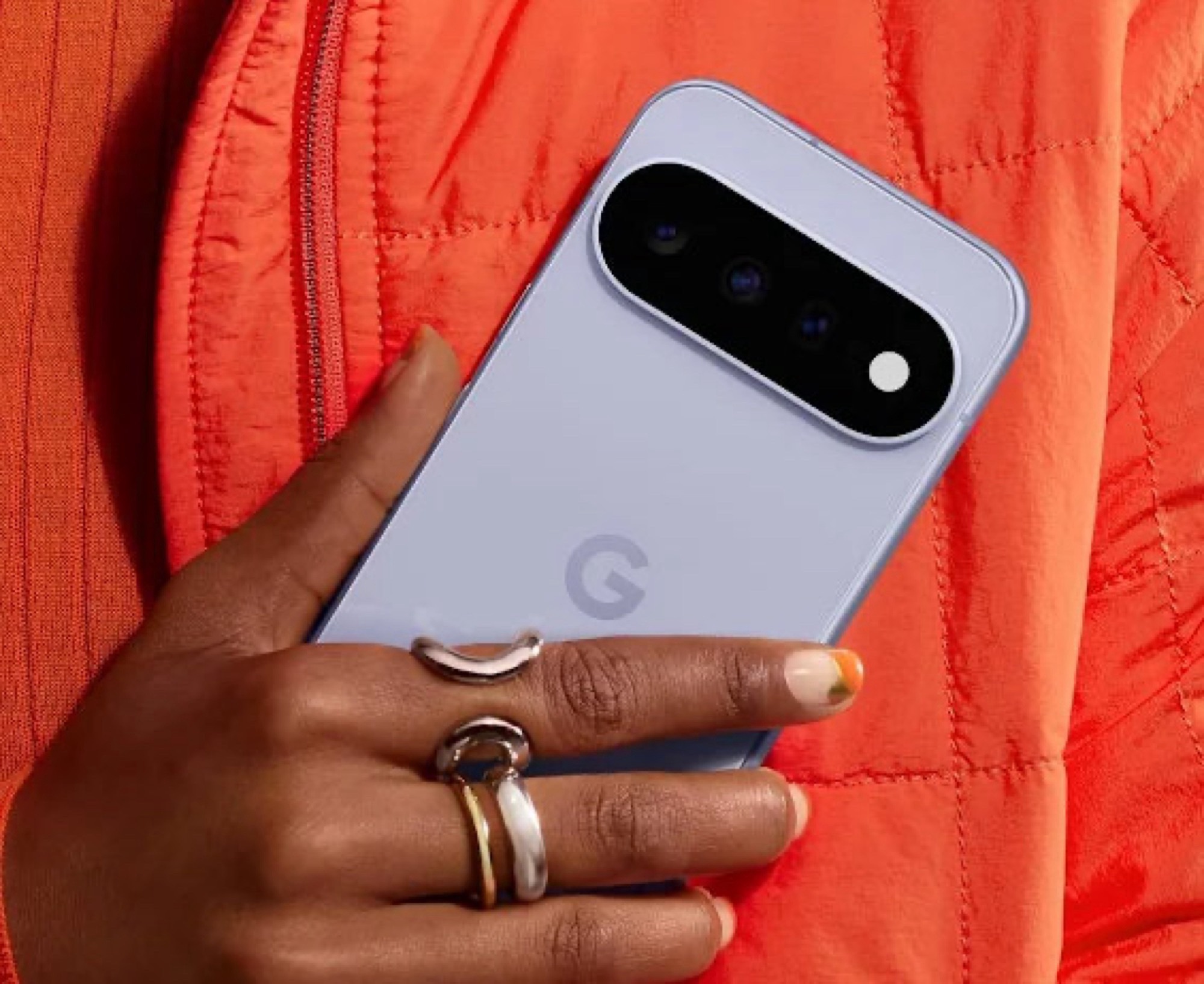
Google Pixel 11 Camera Impresses in Daylight, but Low-Light Photos Still Need Work
The Google Pixel 11 delivers a strong camera experience in bright environments, proving once again that Google’s image processing can get excellent results even from relatively small camera sensors. In good lighting, the phone captures sharp, well-exposed photos with plenty of detail and a broad dynamic range, making it a reliable choice for everyday photography.
Daylight shots are one of the Pixel 11’s biggest strengths. Photos generally look clean and natural, with accurate exposure and strong contrast control. Whether capturing landscapes, city scenes, or portraits outdoors, the Pixel 11 manages to preserve detail in both bright and shadowed areas. This helps images look balanced without appearing overly processed.
Portrait mode is another highlight. The Google Pixel 11 creates a convincing background blur effect, separating the subject from the background in a way that looks polished and natural. Edge detection appears dependable in most situations, helping portraits feel more professional without requiring manual adjustments.
Autofocus performance is also fast and reliable under normal lighting conditions. The phone locks onto subjects quickly, making it easier to capture moving people, pets, or spontaneous moments. White balance is similarly strong in well-lit scenes, producing colors that appear realistic and consistent.
However, the Pixel 11 camera is not without weaknesses. The biggest issues appear in challenging lighting, especially at night or indoors with limited light. In low-light conditions, image noise becomes more noticeable, and fine textures can look soft because of aggressive noise reduction. This means photos may appear cleaner at first glance, but closer inspection reveals a loss of detail.
The phone can also struggle when a bright light source is positioned behind the subject. For example, when shooting against the sun or strong backlighting, autofocus may fail to detect the subject correctly. This can lead to missed focus and less reliable results in high-contrast scenes.
Low-light color accuracy is another area where the Pixel 11 falls short. Skin tones can appear less natural, and colors may shift in ways that make photos look less realistic. This is especially noticeable in portraits taken at night or in dim indoor settings.
The ultra-wide camera also shows limitations. While useful for capturing wide landscapes, buildings, and group photos, it produces less detail compared to the main camera. In good lighting, it remains serviceable, but in darker scenes, the drop in sharpness becomes more obvious.
Overall, the Google Pixel 11 offers an impressive camera system for daytime photography, portraits, and general shooting. Its strong dynamic range, accurate exposure, reliable autofocus, and natural-looking portrait mode make it a capable smartphone camera in the right conditions. Still, users who frequently shoot in low light may notice visible noise, reduced detail, inconsistent skin tones, and weaker ultra-wide performance.
For those who mainly take photos outdoors or in bright environments, the Pixel 11 is a strong option. But for night photography and difficult lighting, there is still room for improvement.


