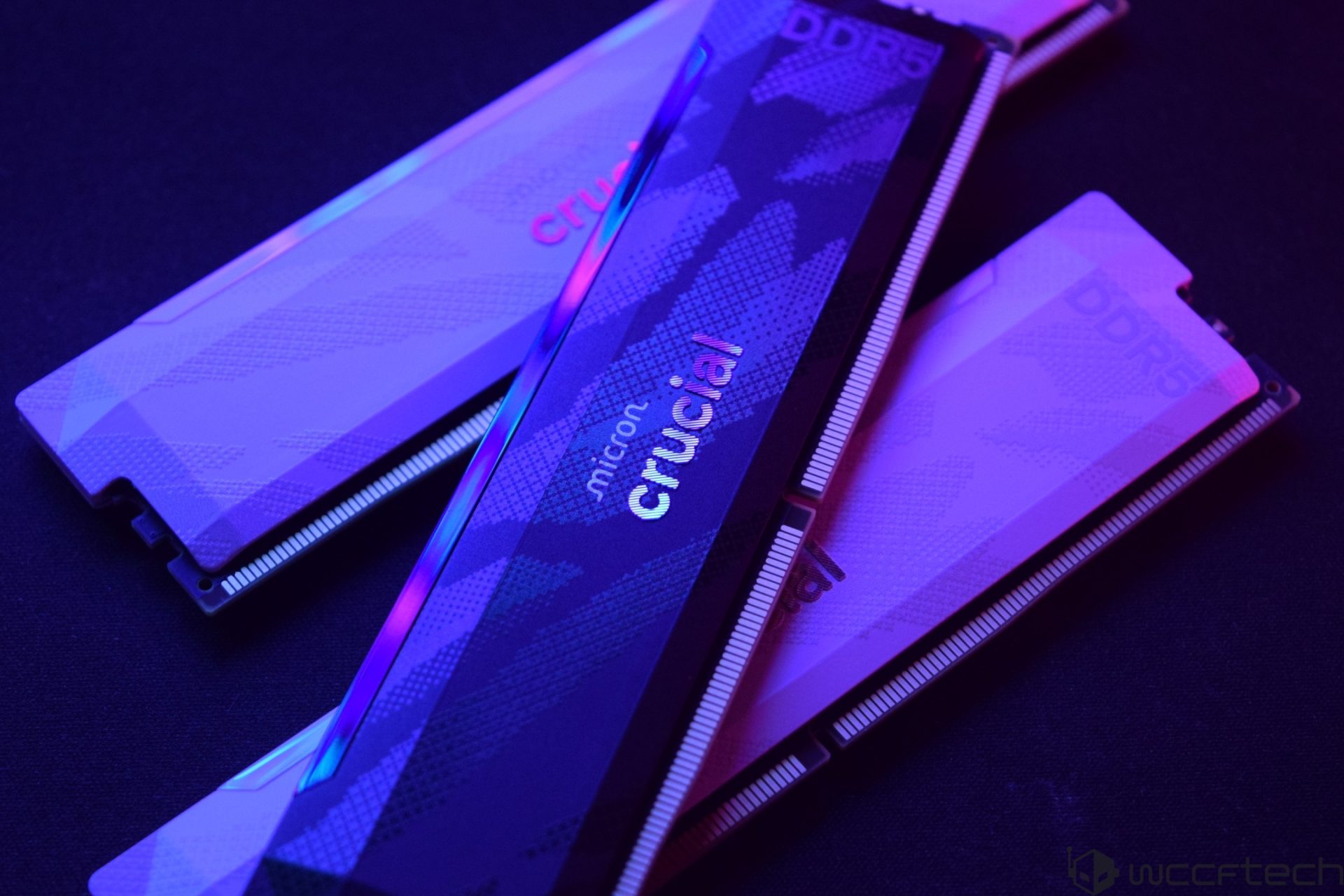
Samsung is reportedly preparing one of its biggest memory price hikes in years, and that could push consumer RAM costs even higher in the months ahead. If you’ve been eyeing a new DDR5 kit, brace yourself: industry reports suggest Samsung is moving to lift DRAM prices sharply to keep pace with surging AI demand and to stabilize its supply chain.
Here’s what’s changing right now. Contract pricing for 32GB DDR5 modules has climbed to around $239, a near 50% month-over-month jump. Some reports point to overall hikes reaching as high as 60%. It’s not just one capacity, either—16GB and 128GB DDR5 modules have also seen roughly 50% increases, signaling a broader, sustained climb across the DDR5 lineup. That kind of momentum usually flows through to retail shelves after a lag, which means consumer kits could get pricier and stay that way for a while.
When a leading DRAM supplier makes a decisive move like this, the ripple effects are big. Competitors are likely to follow with their own price adjustments, and downstream brands—think popular module makers you see in PC builds—tend to respond by raising retail prices to preserve supply. For PC gamers, creators, and system builders, that translates into tougher upgrade choices and higher total build costs.
What’s driving the spike? The AI boom. Data centers are racing to expand capacity for training and inference workloads, and that is devouring memory at scale—both cutting-edge HBM and vast amounts of DDR modules to optimize performance and latency. With hyperscalers placing massive, multi-year orders, production is skewing toward enterprise demand. That leaves fewer wafers and finished modules for the consumer market. DRAM isn’t the only pressure point either; NAND can feel the squeeze as fabs prioritize higher-margin products and next-gen lines.
If you’ve noticed DDR5 and even DDR4 getting more expensive lately, you’re not imagining it. DDR4 isn’t insulated from market dynamics; when production lines tilt toward newer standards or enterprise parts, the older standard can see reduced output and rising prices. Discounts may become rarer, and delivery times for certain kits could stretch as system integrators, enthusiasts, and small businesses compete for what’s available.
Practical takeaways if you’re building or upgrading:
– If you’re mid-build and settled on a spec, consider buying sooner rather than later to avoid additional increases.
– Look for bundles with CPUs or motherboards, which can offset higher memory prices.
– Balance capacity and speed. Two 16GB or two 24GB modules at sensible speeds often deliver strong real-world performance without the premium of ultra-high-frequency kits.
– If your platform supports it, evaluate DDR4 builds for value-oriented systems, or consider reputable refurbished/open-box options with solid warranties.
– Monitor major sales periods, but set realistic expectations—steep RAM discounts may be scarce during a supply crunch.
What to expect next. As long as AI infrastructure expansion remains red-hot, memory markets will stay tight and volatile. If enterprise demand normalizes or additional capacity ramps later on, pricing could cool, but in the near term a higher price floor for DDR5 looks likely. For anyone planning a new gaming PC or workstation, factor elevated RAM costs into your budget and move decisively when you find a fair deal.