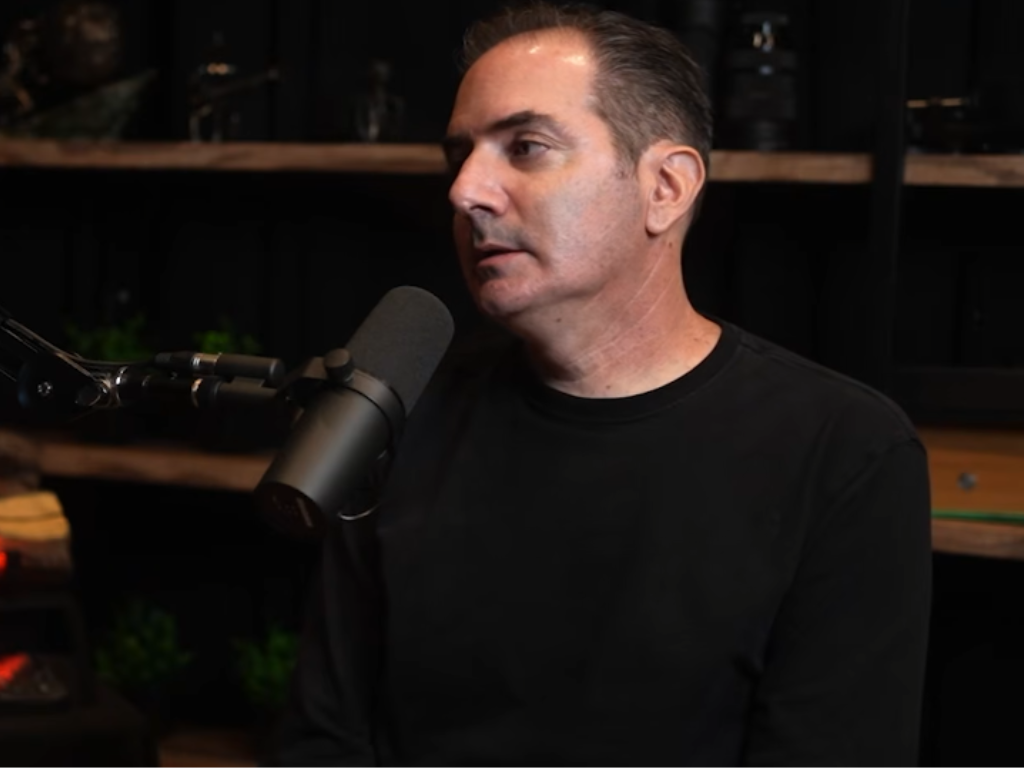
Jeff Kaplan, the longtime public face and lead voice behind Overwatch, has finally shared a clearer picture of why he walked away from Blizzard in 2021. Speaking on Lex Fridman’s podcast, Kaplan described a mix of shifting priorities, mounting business pressure, and one blunt executive meeting that ultimately pushed him to leave a studio he once hoped to stay with for the rest of his career.
For many players, Kaplan wasn’t just a developer in the background. From Overwatch’s launch in 2016 through its biggest years, he was the person explaining new heroes, balancing decisions, upcoming maps, and the game’s evolving direction. That’s why his departure in April 2021 left so many fans wondering what happened behind the scenes.
In the conversation, Kaplan pointed to the Overwatch League as the moment where things started to drift. When the league launched in 2017, excitement around it exploded—but Kaplan says the hype became a problem of its own. He described how the league was heavily marketed to team buyers and investors with huge promises, the kind that make a slide deck look unstoppable. According to Kaplan, the league was pitched as something that could rival America’s biggest sports organizations in popularity, creating expectations that were nearly impossible to match.
Those promises didn’t just affect the business side. Kaplan suggested they began to reshape what the development team spent its time building. Instead of focusing primarily on what everyday players expect from a live game—new heroes, fresh maps, major world events, and broader creative momentum—the team had to put significant effort into league-driven needs. That meant features like spectating tools, streaming integrations, and team-branded cosmetics took priority, while broader content plans started getting pushed aside.
Kaplan summed up the impact in a way many live-service players will recognize: once the pipeline gets consumed by urgent obligations, the core game ends up “treading water.” In his view, plans for meaningful Overwatch content fell out of rhythm, and attention that could have gone toward the future also got squeezed.
He also described how the league’s original financial model ran into reality fast. The vision leaned on large-scale in-person events, ticket sales, and merchandise. But global teams made the logistics complicated immediately—if you’ve got a London team and a Shanghai team, constant arena events aren’t simple. Kaplan said that approach fell apart quickly. Merchandise brought in money, but not enough to satisfy the expectations created by earlier marketing.
The most striking part of Kaplan’s account, though, was the meeting he says he still can’t forget. He recalled being brought into the office of Blizzard’s CFO at the time and being given a revenue ultimatum with a firm deadline—first framed around 2020 and later shifting toward 2021. Kaplan said he was told Overwatch needed to hit specific revenue targets and maintain recurring revenue year after year. Then came the line that broke him: if the game missed those milestones, 1,000 employees would be laid off, and it would be his fault.
Kaplan described that moment as the harshest and most surreal experience of his career, and the one that ended his future at Blizzard. He had wanted to work there long-term, even retire there, but after that conversation he realized it wasn’t going to happen. Not long after, he left the company in April 2021, before Overwatch 2 eventually arrived.
For fans who remember the early energy of Overwatch—its optimism, personality, and constant sense of discovery—Kaplan’s comments add context to how high-level business goals and esports ambitions can steer even the most beloved games into difficult territory. His story is also a reminder that when a game becomes a massive business platform, the pressure doesn’t just land on spreadsheets—it lands on the people responsible for keeping the creative vision alive.