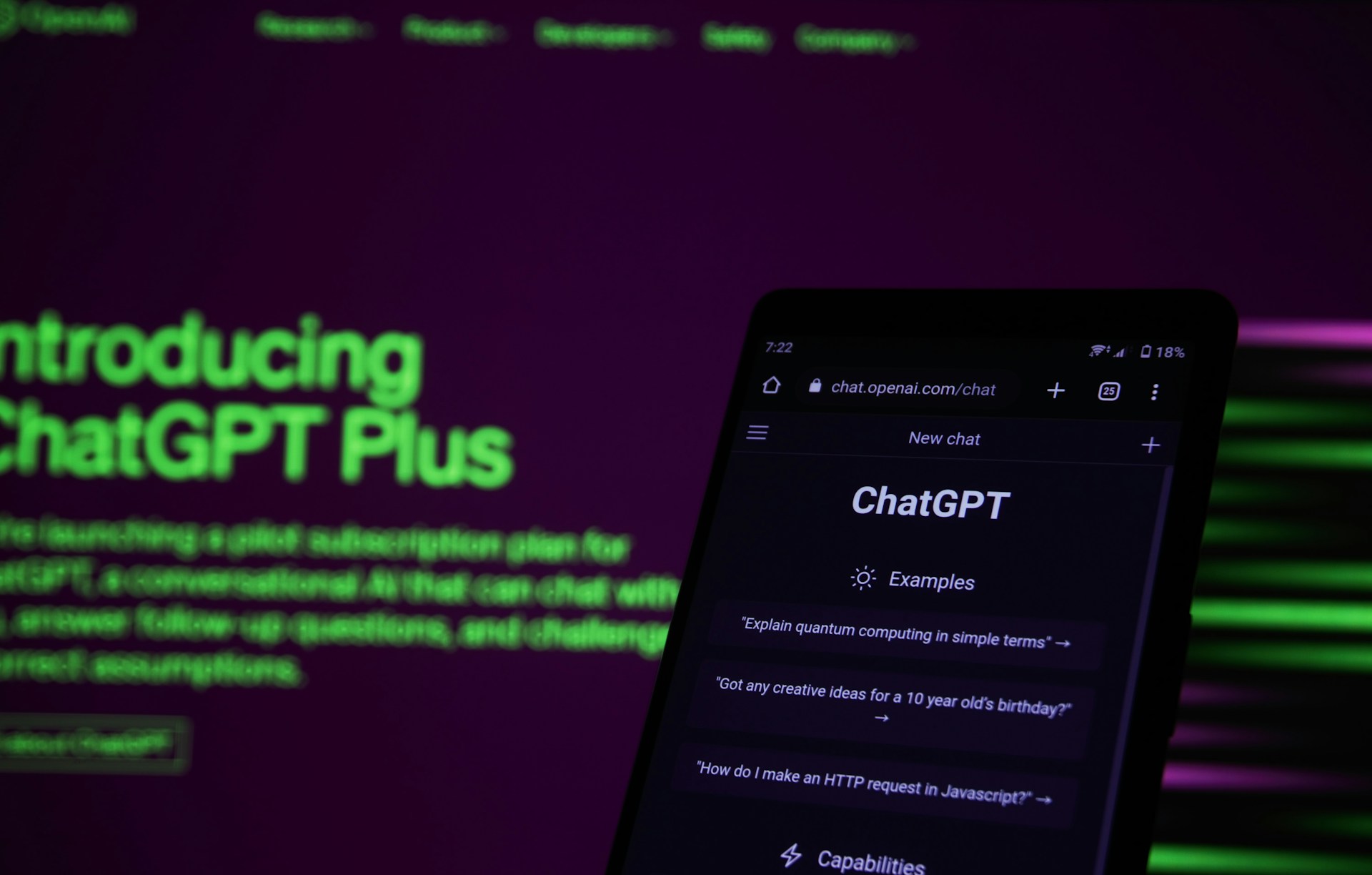
For the second time, the efforts of OpenAI to secure the term ‘GPT’ as its trademark have been denied by the US Patent and Trademark Office (US PTO). OpenAI, recognized for its pioneering ChatGPT technology, has sought to trademark the term they’ve popularized. However, their efforts have been rebuffed due to the term’s general nature and descriptive quality.
The Revolutionary Impact of ChatGPT and Its Nomenclature
The term ‘GPT,’ short for Generative Pre-trained Transformer, has been inextricably linked to OpenAI and its groundbreaking developments in the AI field. Since the introduction of their chatbot and subsequent AI models named under the GPT scheme (ranging from GPT-1 to GPT-4), the acronym GPT has gained significant traction among consumers. OpenAI leveraged the transformer architecture, invented by Google in 2017, to create AI models capable of generating new content based on large datasets.
Repeated Attempts at Trademark Registration
OpenAI previously attempted to trademark ‘GPT’ in May 2023, but was rejected by the US-PTO on the basis that the term is considered merely descriptive. Despite their efforts being knocked back, OpenAI made another attempt, which has once again been met with denial. The filing with the US-PTO highlighted the generic nature of the term and reiterated that simply being ‘the ultimate in descriptiveness’ does not grant the right to trademark registration under any circumstances.
Facing the ‘Final’ Office Action
The refusal has been termed a ‘final’ office action, although OpenAI still retains the right to appeal to the Trademark Trial and Appeal Board. With the brand so central to OpenAI’s identity, an appeal is anticipated. The stakes are high; should OpenAI eventually succeed, other companies employing GPT technology could potentially be prevented from using ‘GPT’ in their product descriptions, which could have significant implications for the AI industry at large.
The Ubiquitous Nature of ChatGPT
Regardless of the dispute over the term ‘GPT,’ ChatGPT’s influence on the public is undeniable. The technology has played a major role in familiarizing the average consumer with AI, and its nomenclature has become almost synonymous with generative AI models.
Available Literature on GPT Technology
For those interested in exploring the intricacies of using ChatGPT, Nathan Hunter’s book, “The Art of Prompt Engineering with ChatGPT,” is available on Amazon in Kindle, Paperback, and Hardcover formats. The publication delves into effective strategies for interacting with and utilizing generative AI systems.
In summary, while OpenAI’s ChatGPT has made a lasting mark on the tech industry and AI community, efforts to trademark the widely used term ‘GPT’ have so far been unsuccessful. As the debate over trademarking common tech terms continues, OpenAI’s ChatGPT remains a transformative presence influencing how we interact with AI technologies.