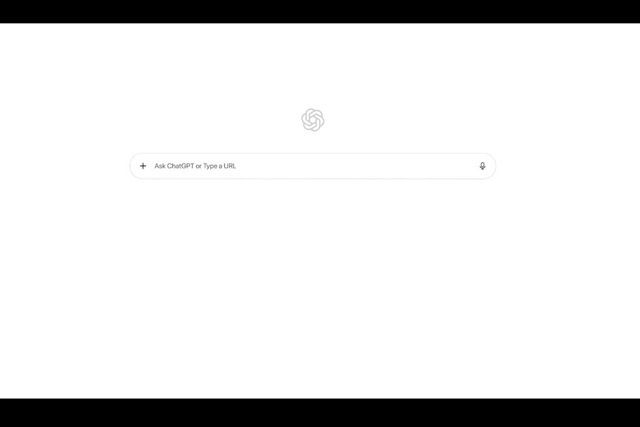
OpenAI introduces ChatGPT Atlas, an AI-first browser designed to weave conversational intelligence directly into everyday web use. Instead of treating search, tabs, and chat as separate steps, Atlas aims to let people ask questions, explore sources, and take action in one fluid experience. It’s a clear signal that browsing is shifting from keywords and links to natural language and guidance.
The big idea behind ChatGPT Atlas is simple: bring the assistant to where you browse. Rather than bouncing between a chat window and a web page, users can stay in the flow, get explanations in context, and refine questions on the fly. That could make complex tasks—like researching a topic, planning a trip, comparing products, or drafting emails—faster and less frustrating.
Industry watchers describe Atlas as a meaningful milestone on the path to an AI-integrated internet. Still, they don’t see it overturning the current hierarchy overnight. Habits are hard to break, default settings are powerful, and mainstream audiences typically adopt new interfaces gradually. The near-term challenge isn’t whether an AI browser is useful—it’s whether it’s compelling enough for millions of users to switch.
What makes an AI browser different
– Conversation at the core: Instead of typing keywords into a search box, users describe what they need and receive guided results and suggestions, with the option to keep asking follow-up questions.
– Context-aware assistance: The assistant can respond with awareness of the page you’re on, helping summarize, clarify jargon, or compare information without leaving the tab.
– Streamlined workflows: Research, note-taking, and drafting can happen side-by-side, reducing tab overload and copy-and-paste gymnastics.
Why this matters now
– Search and browsing behavior are evolving: People want direct answers, reliable summaries, and fewer dead ends.
– AI is moving from add-on to foundation: Integrating the model into the browser reshapes how users discover, evaluate, and act on information.
– Productivity is the new battleground: The winners in browsing may be those that save time and reduce cognitive load, not just those that load pages fastest.
A measured view from analysts
Experts see strong potential but remain cautious about immediate disruption. Distribution matters; incumbent browsers are preinstalled on billions of devices, and defaults steer behavior. Trust and reliability also loom large. Users will expect clear source attribution, graceful handling of mistakes, and tools to verify AI-generated summaries. Performance and cost are another factor—AI features need to feel instant and dependable to earn a permanent place in daily routines.
What users should watch for
– Transparency and controls: Clear indicators for when AI is summarizing, where information comes from, and how to dive into original sources.
– Privacy and data handling: Easy-to-understand settings for what’s stored, what’s processed in the cloud, and how to opt out.
– Speed and accuracy: Consistent, fast responses that handle messy real-world questions without hallucination or lag.
– Compatibility and extensions: Support for the sites, apps, and workflows people already rely on.
Potential use cases that could shine
– Deep research without leaving the page: Ask for definitions, compare viewpoints, and compile notes as you read.
– Smarter shopping: Summaries of specs, pros and cons, and price context that help you decide faster.
– Travel planning: Turn rough ideas into practical itineraries with live context from booking and review sites.
– Learning and upskilling: Break down complex topics, get examples, and test yourself with quick quizzes.
– Everyday writing: Draft emails, polish messages, and generate outlines while viewing relevant references.
The competitive landscape is heating up. Established browsers are layering in AI helpers, and new entrants are experimenting with chat-first navigation. Atlas joins that race with a vision of browsing that feels less like hunting for links and more like collaborating with an expert. Whether it wins broad adoption will depend on execution: accuracy, speed, trust, and an experience that feels undeniably easier than the status quo.
Bottom line: ChatGPT Atlas signals where the web is headed—toward AI-native experiences that make the internet more conversational, contextual, and task-driven. It may not topple today’s leaders in the short term, but it raises the bar for what modern browsing can deliver and sets the stage for the next wave of AI-powered web experiences.