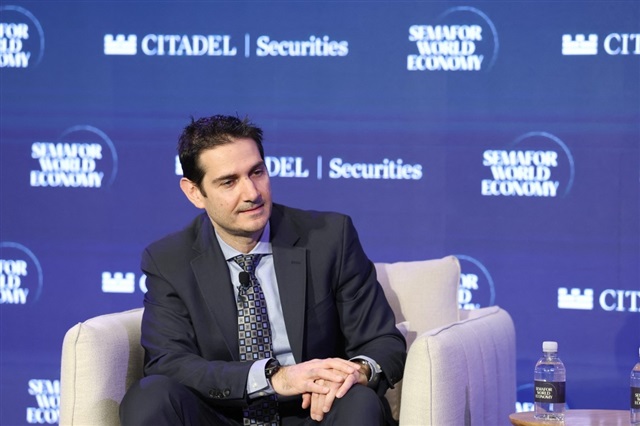
Onsemi is moving to reshape its manufacturing footprint by selling two of its fabrication facilities, one in the Philippines and another in the United States, as part of a broader effort to reduce costs and strengthen profitability.
The semiconductor company, led by president and CEO Hassane El-Khoury, is taking the step under its “Fab Right” strategy, a plan designed to make its global production network leaner, more efficient and better aligned with long-term demand. By reducing fixed costs tied to certain manufacturing sites, Onsemi aims to improve gross margins and focus resources on higher-value areas of its business.
The move comes as chipmakers continue to balance production capacity, operating expenses and market demand across the global semiconductor industry. For Onsemi, the sale of these two facilities is not just about cutting costs. It is also about sharpening its operational structure and ensuring that its manufacturing base supports future growth in key markets such as automotive, industrial power systems and energy-efficient technologies.
Onsemi has been positioning itself as a major player in power and sensing solutions, especially as demand grows for electric vehicles, advanced driver-assistance systems, renewable energy infrastructure and factory automation. Streamlining its fab network could help the company allocate more investment toward technologies and facilities that deliver stronger returns.
By selling the sites in the Philippines and the US, Onsemi is expected to lower its fixed operating burden while keeping its production strategy focused on efficiency and profitability. The company’s Fab Right approach reflects a growing trend in the semiconductor sector: manufacturers are becoming more selective about where and how they produce chips, prioritizing flexibility, cost control and margin expansion.
The planned sales mark another step in Onsemi’s ongoing transformation as it works to build a more competitive manufacturing model in a fast-changing chip market. For investors and industry watchers, the decision signals that the company remains focused on disciplined operations, improved financial performance and a more targeted global production strategy.