Gaming handheld prices are on the rise again, and this time the culprit is familiar: climbing DRAM and SSD costs. As memory and storage prices continue to increase across the industry, handheld makers are starting to pass those added costs on to buyers—meaning anyone shopping for a new portable gaming PC may want to keep a close eye on pricing windows and preorder deadlines.
OneXPlayer has now confirmed it will raise the price of its new OneXFly APEX gaming handheld by $200, and the increase applies to every available configuration. The company says the change is being driven by depleted memory and SSD inventory combined with continued component cost increases. It also noted that if market conditions keep shifting, another adjustment could follow later.
For anyone considering the APEX at its current pricing, OneXPlayer is offering a limited grace period: buyers have 96 hours to secure the original Indiegogo launch price before the increase takes effect. After that window closes, the $200 hike will be applied across the board—regardless of whether you choose the entry configuration or a higher-end model, and regardless of whether you pick the air-cooled or liquid-cooled version.
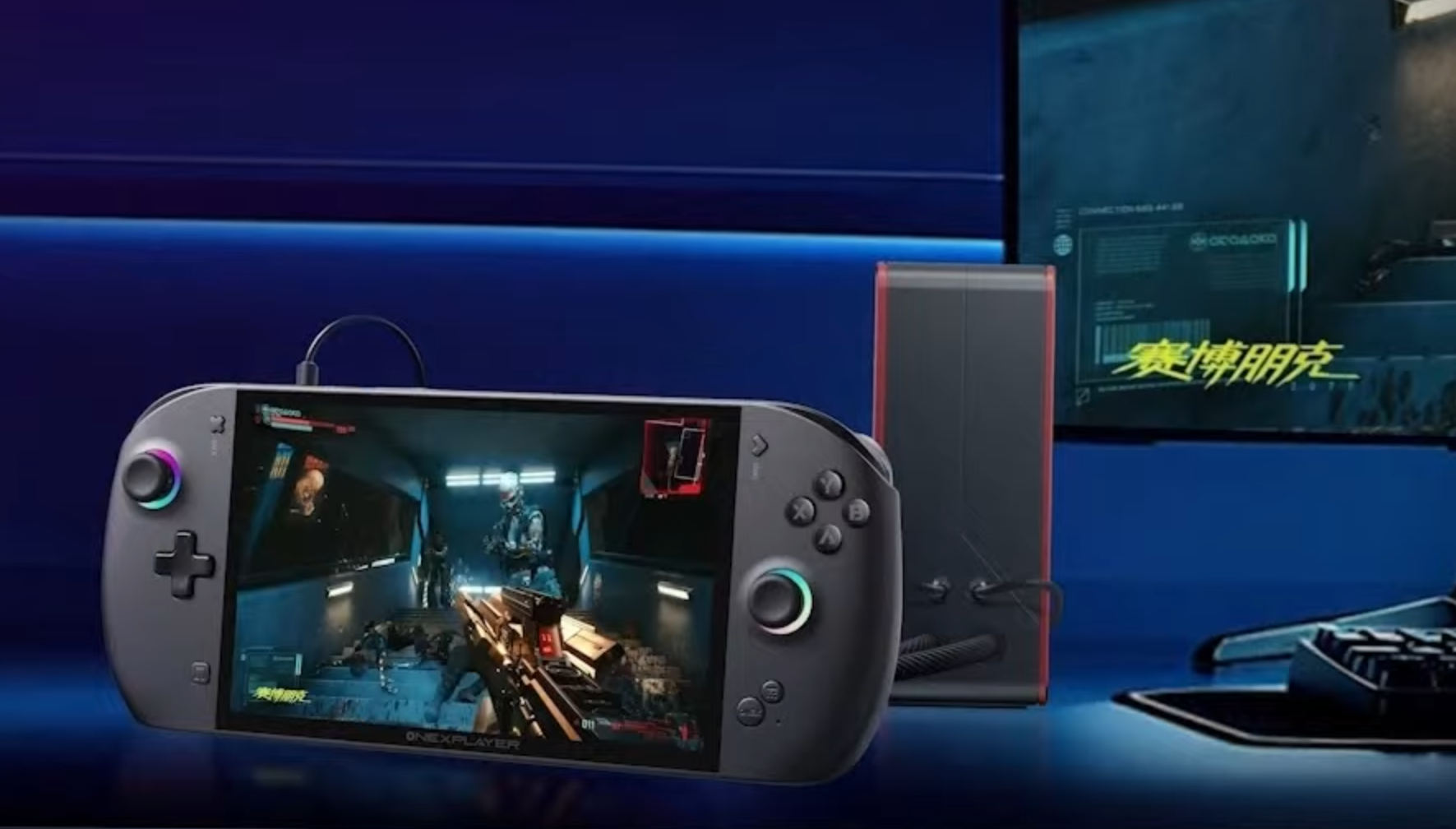
The OneXFly APEX positions itself as OneXPlayer’s flagship handheld, built around the Ryzen AI Max+ 395 platform. Notably, it stands out by offering a liquid-cooled option, something rarely seen in this category. Before the increase, pricing started at $1,399 for the standard air-cooled model, while the liquid-cooled version began at $1,459. Once the new pricing goes live, those starting prices are expected to move to roughly $1,599 and $1,659.
At the top end, the APEX can be configured with up to 128 GB of RAM and 2 TB of storage, with pricing reaching around $2,239 to $2,299 depending on the version. Other key highlights include an 8-inch display with a 120 Hz refresh rate, aimed at smoother gameplay and better responsiveness for fast-paced titles.
If you’re on the fence, it’s worth comparing the full specifications and deciding whether the APEX’s performance-focused design and cooling options justify the premium—especially with the higher price becoming the new normal shortly.