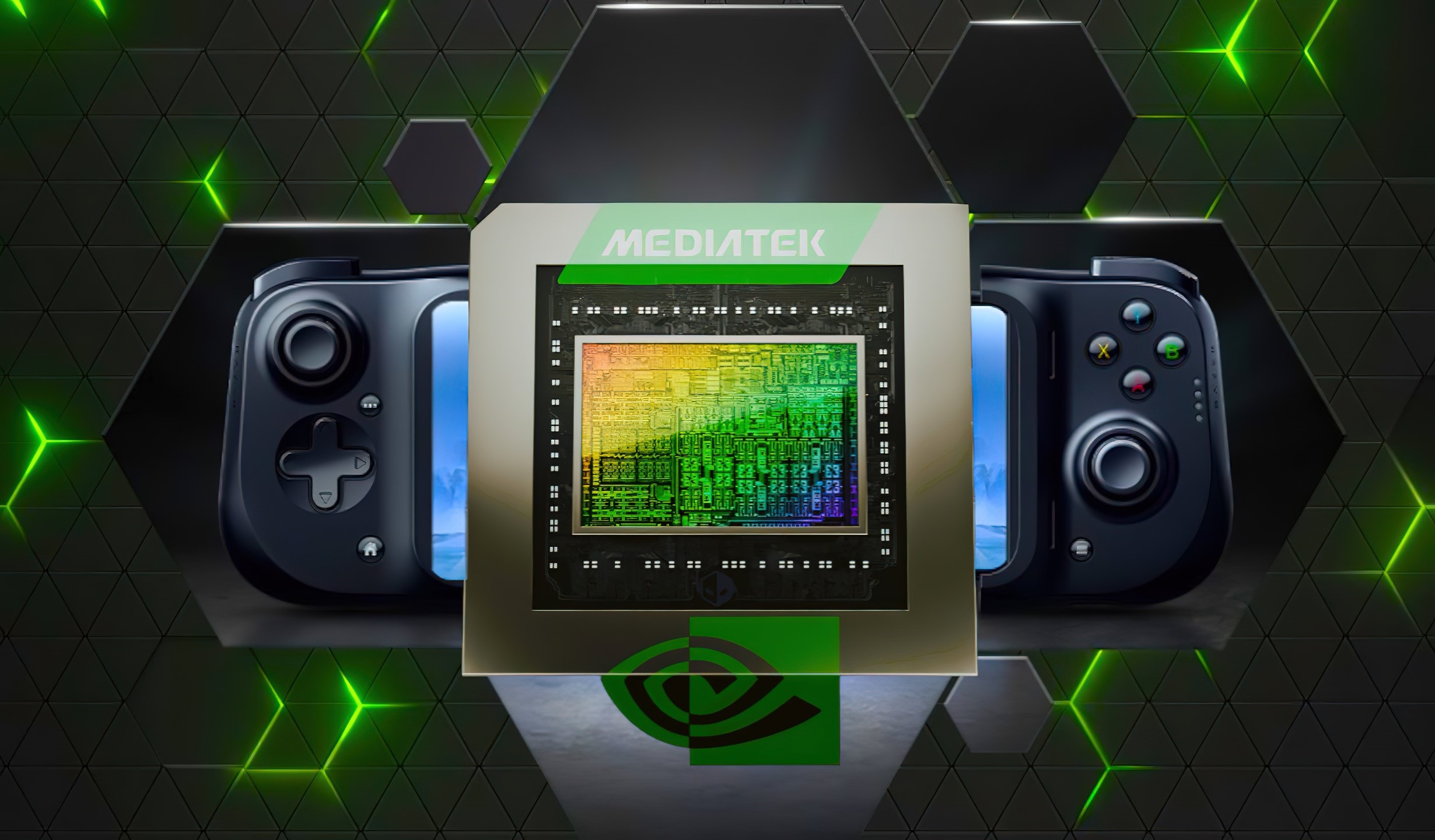
NVIDIA is preparing to make a major push into the consumer laptop market with ARM-based processors that could arrive sooner than many expected. New reports indicate the company plans to introduce its first N1 and N1X chips for Windows on ARM laptops as early as this year, a move that could reshape the growing ARM PC landscape and challenge the current x86 dominance from Intel and AMD.
After months of speculation dating back to last year, NVIDIA’s consumer laptop chip project appears to be back on track. The effort seemingly took longer than anticipated, with delays tied to both development hurdles and the readiness of the Windows on ARM ecosystem. In the meantime, NVIDIA introduced DGX Spark featuring the GB10 chip, which has been described as a glimpse of what its laptop-class ARM technology could look like.
If the current schedule holds, the N1X could appear in notebooks by Q1, with wider retail availability expected by Q2. That timing would put NVIDIA in a position to make a splash at major industry events early in the year, followed by broader laptop launches not long after.
Why this matters is simple: NVIDIA isn’t just building a new laptop processor—it’s aiming to extend its reach across the entire AI computing stack. The N1 and N1X chips are expected to position Windows on ARM laptops as high-end, AI-focused machines with strong on-device “edge AI” performance. This aligns with NVIDIA’s larger strategy of keeping AI workloads closer to the user—on the PC—rather than relying entirely on cloud processing.
While detailed specifications haven’t been fully revealed, the upcoming chips are rumored to be built on TSMC’s advanced 3nm manufacturing process. The design approach is also expected to be similar to the GB10 SoC, hinting at a platform built to mix efficiency, modern CPU performance, and strong AI acceleration—exactly what next-generation Windows on ARM devices need to compete more aggressively in premium laptop categories.
NVIDIA’s ambitions don’t stop with the first wave. Plans are already in motion for next-generation N2 and N2X consumer chips, which could arrive around Q3 2027. That longer roadmap suggests this isn’t a one-off experiment—it’s a sustained attempt to establish NVIDIA as a serious force in laptop processors, a market where it has far less presence today compared to its influence in graphics and AI.
The report also sheds light on NVIDIA’s go-to-market strategy. Rather than building laptops itself, NVIDIA is expected to work through OEM partners using a reference design approach. It would maintain approved and recommended vendor lists to guide ecosystem adoption. The “recommended” group may include partners with more flexibility—potentially allowing them to tune performance characteristics such as clock speeds, which could lead to a wider variety of laptop configurations and pricing tiers.
If NVIDIA times its launch well, these ARM-based laptop chips could debut alongside major announcements in early 2026 and quickly move into consumer systems through the first half of the year. With Windows on ARM gaining traction and AI features becoming a key selling point in modern laptops, NVIDIA’s entry could intensify competition at the high end—especially as Intel and AMD prepare their own next waves of mobile processors.
For consumers, the takeaway is clear: NVIDIA’s ARM laptop chips could soon bring a new kind of Windows laptop experience focused on efficiency, always-on responsiveness, and powerful local AI capabilities. If performance lives up to expectations, the N1 and N1X platform may become one of the most important developments in the next era of AI-powered PCs.